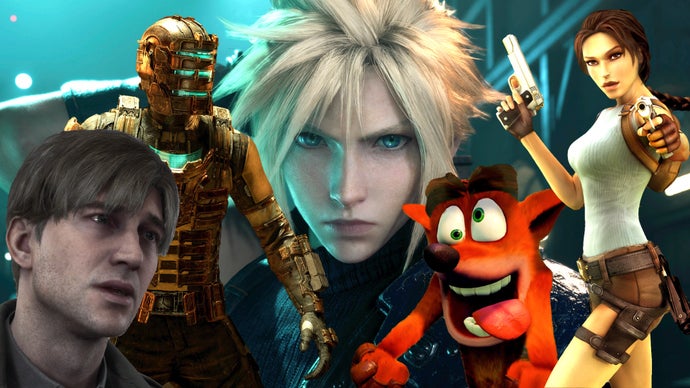
Remakes. The word itself can send shivers down the spines of some gamers, while others eagerly anticipate a fresh coat of paint on beloved classics. Let's be honest, opinions on remakes are rarely lukewarm. You either love 'em, hate 'em, or are completely indifferent. But one thing's for sure: in an industry increasingly driven by risk-averse publishers, remakes are here to stay. They offer a tantalizing blend of nostalgia and pre-existing brand recognition, making them a safer bet than launching a completely new IP. And hey, if the money's good, why not?
Remake Magic: The Secret Formula Revealed! You Won...
But the quality… oh, the quality. That's where things get interesting. For every home run like the *Resident Evil 2* remake, or the buzz surrounding the upcoming *Silent Hill 2*, there's a strikeout like the *XIII* remake – so bad, in fact, that they're literally remaking the remake. This leads to the million-dollar question: what *actually* makes a remake great?
The recent *Silent Hill 2* remake release for Xbox Series X/S has been stirring up quite the debate here at Eurogamer, and I've got to admit, I'm a bit of a purist on the subject. Personally, I believe a remake should, at its core, remain true to the original's vision. Tinker too much, and you risk alienating the die-hard fans while simultaneously failing to resonate with newcomers. At that point, wouldn't it just be better to create something entirely new?
However, my colleagues have offered some interesting counterpoints. Connor Makar, for instance, argues that the sweet spot lies in finding the right balance. It's about "avoiding both excessive conservatism and unwarranted alterations." He points to EA Motive's *Dead Space* remake from 2023 as a shining example. "It changes only what it has to," Connor explains. "It doesn't overstep, but it twists things up in a way both old and new fans can enjoy." And he's not wrong, *Dead Space* managed to recapture the horror while streamlining some of the clunkier aspects of the original.
So, what about the flip side? What constitutes a *bad* remake? According to Chris, the downfall often comes when a game fails to properly understand the source material. It's about "changing it without understanding it, or patching it up clumsily in a way that overrides some of the original magic (think: hidden messages in game code, bugs that became part of the fabric of the game)." Ultimately, the key, it seems, is to respect the original while finding clever ways to enhance the experience. Offer players a reason to revisit a classic, whether it's a faithful recreation or a bold new reimagining. Anything less just feels… unnecessary.
Comments
Please sign in with Google to post a comment
No comments yet. Be the first to comment!