**FAA Flight Cancellations: What Travelers Need to Know**
Stranded? Decoding the FAA Flight Chaos and What I...
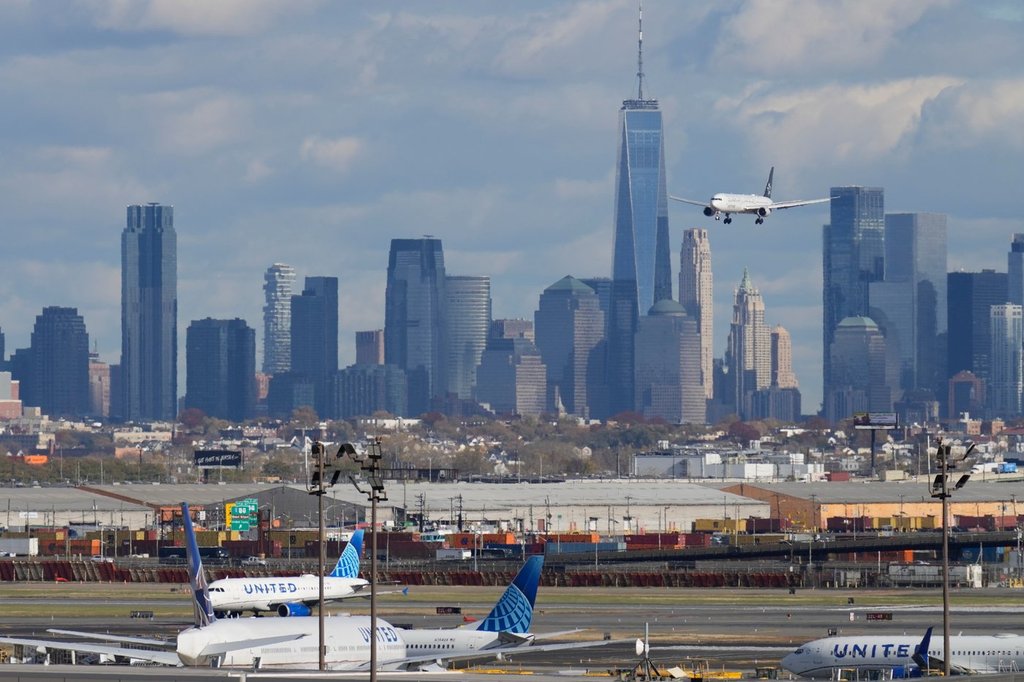
As the government shutdown continues, travelers across the United States are facing potential disruptions to their flight plans. The Federal Aviation Administration (FAA) has implemented flight reductions at major airports nationwide to alleviate the strain on air traffic controllers, who are working without pay and under increasing pressure. This decision, impacting over two dozen states, is aimed at maintaining safety standards amidst the ongoing political stalemate.
The flight reductions affect a wide
The flight reductions affect a wide range of airports, including Hartsfield-Jackson Atlanta International Airport, the nation's busiest, as well as major hubs in Boston, Denver, Honolulu, Las Vegas, Miami, San Francisco, and Salt Lake City. Several metropolitan areas, such as New York, Houston, Chicago, and Washington, will experience impacts at multiple airports.
The duration of these restrictions remains uncertain. Even if the shutdown ends imminently, the FAA has indicated that flight reductions will persist until staffing levels at airport towers and regional air traffic centers are deemed adequate to ensure safety.
"It's going to take time to work through this," warns Michael Johnson, president of Ensemble Travel, emphasizing the importance of proactive planning for both existing and upcoming travel arrangements.
Airlines are expected to notify passengers
Airlines are expected to notify passengers of flight cancellations. However, travelers are strongly encouraged to proactively monitor their flight status through airline apps or flight-tracking websites before heading to the airport. Being aware of potential disruptions in advance is crucial to avoiding being stranded at the terminal.
For those already at the airport facing cancellations, immediate action is necessary. Joining the customer service line is essential, while simultaneously contacting the airline's reservations staff via phone or online. Social media platforms like X (formerly Twitter) can also provide a faster avenue for communication with airlines.
In light of the current situation, alternative modes of transportation, such as trains, cars, or buses, should be considered. Kyle Potter, executive editor of Thrifty Traveler, highlights the broader impact of this shutdown compared to isolated airline issues, emphasizing the need for greater flexibility.
Travelers are also advised to consult
Travelers are also advised to consult the Department of Transportation (DOT) website to understand their airline's policies regarding refunds and compensation for disrupted flights.
While the situation presents challenges, it doesn't necessarily mean travel plans need to be abandoned. Increased planning, flexibility, and potentially seeking assistance from a travel advisor can mitigate stress. Furthermore, travel insurance can provide an added layer of security. The key message is to remain calm and explore available options to navigate this period of uncertainty.
Comments
Please sign in with Google to post a comment
No comments yet. Be the first to comment!