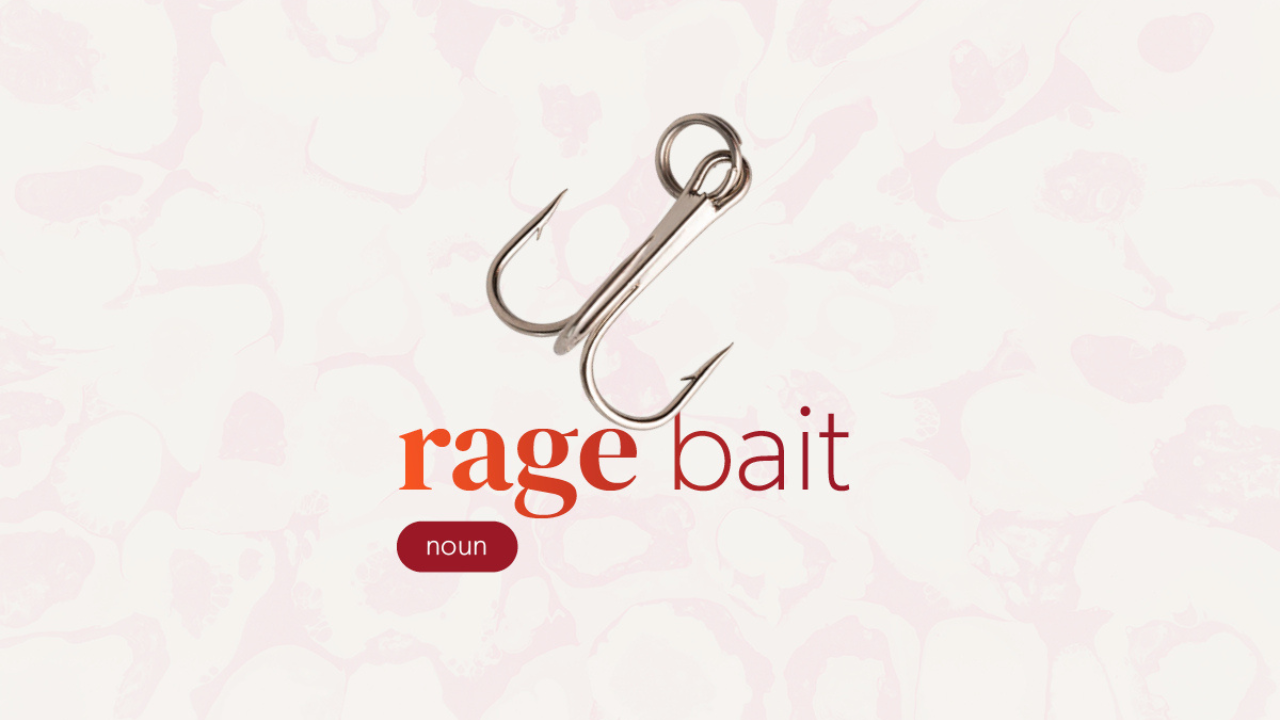
Okay, so Oxford University Press just dropped a bombshell: the Word of the Year for 2025 is "rage bait." I've got to say, it's a pretty apt choice, isn't it? It perfectly encapsulates the kind of stuff we see flooding our feeds every single day. It’s almost depressing how accurate it is. This isn’t just about a catchy new phrase; it’s a mirror reflecting back at our increasingly polarized and, frankly, exhausting online existence.
Oxford's Word of the Year SHOCKS! Are YOU Rage Bai...
According to Oxford, the use of "rage bait" has tripled online. Tripled! That's a staggering increase and really speaks volumes about how content creators and even established media outlets are chasing clicks in this attention economy. The official definition is pretty straightforward: "online content deliberately designed to elicit anger or outrage by being frustrating, provocative, or offensive, typically posted in order to increase traffic to or engagement with a particular web page or social media content." In other words, they’re intentionally pushing our buttons to get us riled up and clicking. Mission accomplished, I guess?
The fact that "rage bait" beat out other contenders like "aura farming" and "biohack" is telling. "Aura farming" sounds like something out of a New Age retreat, and "biohack," while relevant, doesn’t quite capture the pervasive negativity dominating online spaces. "Rage bait," on the other hand, hits the nail squarely on the head. It's the perfect embodiment of our current digital malaise. It's a term that acknowledges the conscious manipulation behind so much of the content we consume. I think this choice also shows that people are starting to get wise to these tactics, or at least, they're talking about them more openly.
Interestingly, the term actually dates back to 2002 on Usenet, initially describing a driver's annoyance at being flashed by another driver. It’s a far cry from the sophisticated algorithms and carefully crafted misinformation campaigns we see today, but the core idea of intentional provocation was there from the start. Now, it’s evolved into a key strategy for many online creators and a constant critique of the platforms themselves. And honestly, who can blame them for using it? Outrage does drive clicks, especially in the context of performative politics, where being angry seems to be a prerequisite for engagement.
This whole thing has escalated into what's now being called "rage-farming"—a more systematic and insidious effort to cultivate anger and drive engagement through repeated exposure to rage-bait material, often mixed with misinformation or conspiracy theories. It’s a vicious cycle, and honestly, it's making it increasingly difficult to have reasonable conversations online. So, what's the solution? Well, recognizing "rage bait" for what it is is a good first step. Maybe we can all take a deep breath, step away from the screen when we feel that familiar anger rising, and try to engage with content that actually informs and enriches our lives, instead of just making us mad. Easier said than done, I know, but it's worth a shot, right?
Comments
Please sign in with Google to post a comment
No comments yet. Be the first to comment!