The U.S. is doubling down on its commitment to Gulf security with the approval of a massive $1.4 billion military sales package to Saudi Arabia and Bahrain. This isn't exactly breaking news, considering the decades-long relationship, but the scale of this deal is certainly noteworthy and bound to spark some debate.
$1.4B Arms Deal: Will This Ignite a New Middle Eas...
The approved sales, which are now being reviewed by Congress (as is standard procedure, of course), aim to bolster the defense capabilities of these key allies in the region. It's a move that Washington says is crucial for maintaining regional stability, a phrase we hear often enough to almost become background noise. But in a region as volatile as the Middle East, you can argue that these types of agreements are vital.
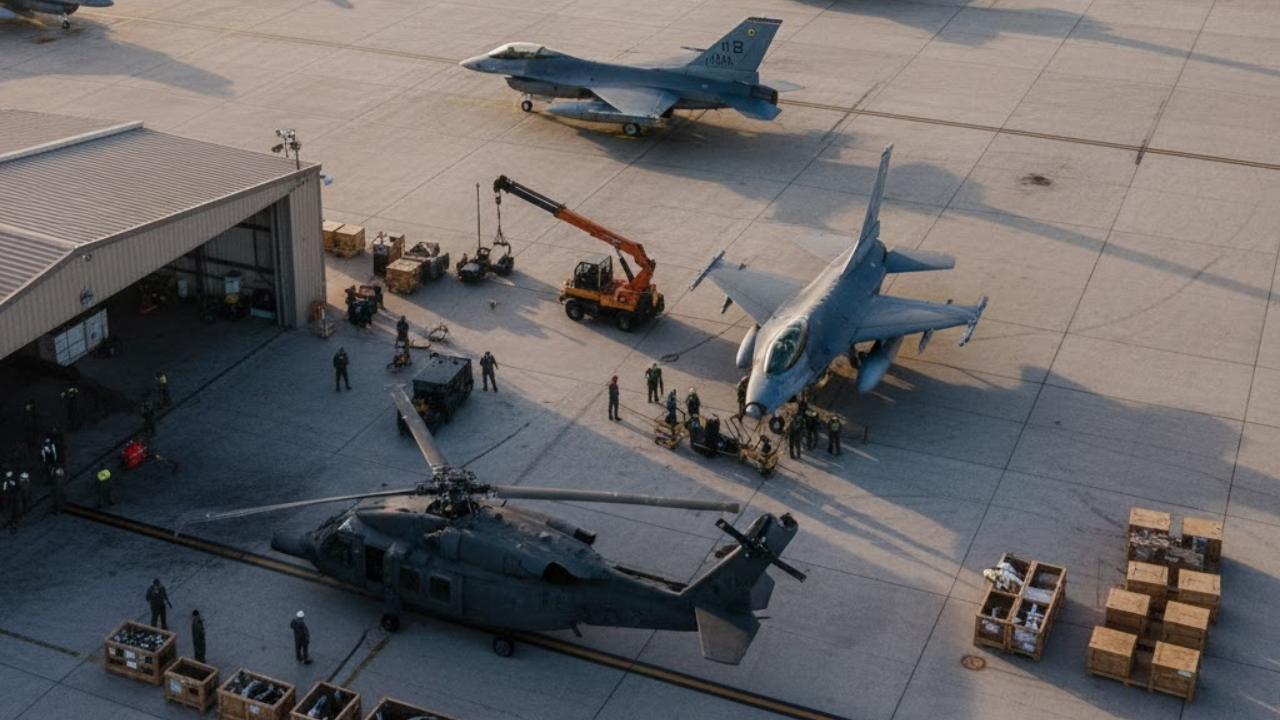
The package includes a variety of services and equipment, from essential helicopter maintenance and aviation training to crucial upgrades for Bahrain's existing F-16 fighter jets. These aren't just shiny new toys; they're about ensuring existing equipment stays operational and that pilots and ground crews are properly trained. That's often the most overlooked aspect of military readiness – the people behind the machines.
Specifically, Bahrain is set to receive around $445 million worth of support for its F-16 fleet. Think of it as a comprehensive maintenance and upgrade package: spare parts for everything from radar systems to guidance systems, plus all the ground support equipment needed to keep these jets flying. It also supplements a previous agreement that didn't quite meet the threshold for congressional notification, so this is more of a continuation of ongoing support. The big players involved are General Electric Aerospace and Lockheed Martin Aeronautics, unsurprisingly, given Lockheed Martin's role as the original manufacturer of the F-16.
Bahrain's connection with the F-16 goes way back; they were the first nation in the Gulf Cooperation Council to actually operate the aircraft, starting in 1990. That's a solid foundation for a long-term relationship, and this deal just cements it further. While some might question the ethics of arming nations in a turbulent region, particularly given human rights concerns, the U.S. clearly sees these partnerships as essential for its own strategic interests. Time will tell if that assessment remains accurate.
Comments
Please sign in with Google to post a comment
No comments yet. Be the first to comment!