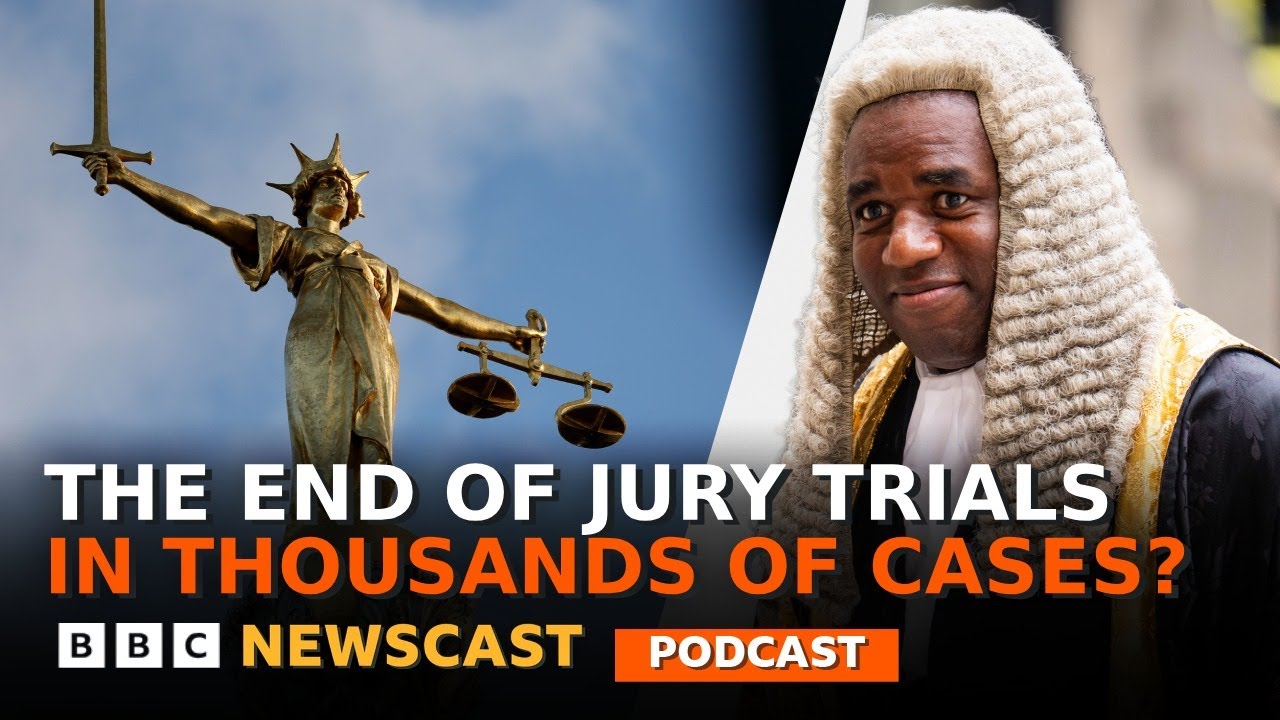
The venerable jury trial, a cornerstone of the British justice system, is facing a potential shake-up. A recent BBC Newscast episode really dug into the UK government's proposal to eliminate juries for certain offenses, and frankly, it's causing quite a stir. The idea is to streamline the legal process, apparently, but the implications are far more complex than simple efficiency.
UK Juries SCRAPPED?! Is This the End of Fair Trial...
The argument, as presented in the BBC report, boils down to practicality. Backlogs are mounting, resources are strained, and some believe that judge-only trials could speed things up. Cases involving complex fraud, for example, are cited as prime candidates for this change. The thinking is that a legally trained judge is better equipped to wade through mountains of financial data than a jury of laypeople. Makes sense on the surface, doesn't it? But dig a little deeper and things get murky.
The potential loss of public trust is a major concern, and rightly so. The jury system isn't just about determining guilt or innocence; it's about public participation in the administration of justice. It allows ordinary citizens to have a say in the outcome of cases, acting as a check on the power of the state. Taking that away, even in specific circumstances, risks alienating the public and creating a perception of a system that's less transparent and accountable. I've always felt the jury system, while sometimes imperfect, represents the public's final say – a kind of safety valve. Losing that feels a little unsettling.
The Newscast episode also highlighted the debate around fairness. Some argue that judge-only trials are inherently biased, as judges, being part of the legal establishment, might be more inclined to favor the prosecution. Others counter that judges are bound by law and ethics to remain impartial. It's a tough one to call, and probably depends on individual perspectives and experiences with the legal system. But the perception of bias, whether real or imagined, can be just as damaging as actual bias.
What's particularly worrying is the precedent this could set. If the government is successful in removing juries for certain offenses, what's to stop them from expanding the scope in the future? It's a slippery slope, and many fear that it could lead to a gradual erosion of the right to trial by jury altogether. I remember a similar debate years ago about cutting legal aid – "just a few cases," they said. Look where we are now. These things have a habit of expanding. The BBC Newscast served as a crucial reminder that we need to scrutinize these proposals carefully and consider the long-term consequences for our justice system and, more importantly, the public's faith in it.
Comments
Please sign in with Google to post a comment
No comments yet. Be the first to comment!