In a potentially seismic shift for regional stability, Israel and Lebanon held their first direct talks in decades this week. Facilitated by the United States and aimed at solidifying the fragile ceasefire between West Jerusalem and Hezbollah, the meeting represents a significant, albeit cautious, step forward.
Israel & Lebanon TALKS?! What Happens Next Will SH...
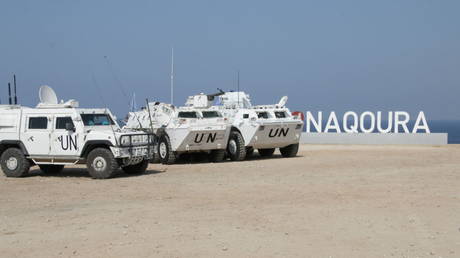
The talks took place at the UN peacekeeping force headquarters in Naqoura, Lebanon. It's interesting to note that while military officers have been involved in past discussions, this was the first time civilian representatives from both sides participated. A spokeswoman for Israeli Prime Minister Benjamin Netanyahu even described the meeting as "historic," sparking speculation about future cooperation. Given the long history of conflict, that's a pretty bold statement.
US Special Envoy for Lebanon, Morgan Ortagus, was also present, underscoring the importance Washington places on de-escalation and dialogue in the region. However, it's important to temper expectations. Just hours before the meeting, Lebanese Prime Minister Nawaf Salam emphasized that any future economic cooperation with Israel was contingent on a comprehensive peace agreement – a prospect he conceded remains distant. "We are still far from that," he told reporters, a statement that definitely poured some cold water on the initial optimism.
These discussions are happening against a backdrop of mounting US pressure for direct engagement. West Jerusalem has repeatedly accused Hezbollah, backed by Iran, of violating the ceasefire agreed to last November. They claim Hezbollah is attempting to rebuild its military strength. The ceasefire itself ended over a year of tense cross-border clashes sparked by Hezbollah attacks on Israeli territory in support of Palestinians in Gaza. This spiraled into a major Israeli offensive, resulting in heavy casualties on both sides and the destruction of Hezbollah weapons caches.
The current armistice requires the Lebanese army to dismantle Hezbollah's military infrastructure. However, West Jerusalem believes this hasn't been happening quickly enough, leading to intensified airstrikes. Beirut, understandably, warns that these strikes risk plunging the country back into full-scale war. This back-and-forth creates a very precarious situation.
Salam stated that the first step towards consolidating weapons under state control requires a full Israeli withdrawal from occupied territories. He also said Beirut is open to US and French verification of any remaining Hezbollah weapons caches in southern Lebanon, which could be a crucial confidence-building measure. Netanyahu, for his part, has repeatedly urged Lebanon to join the Abraham Accords, but so far, Beirut has resisted. It's a complex web of demands and conditions, but the fact that they're even talking directly is a start.
It's worth remembering that the last direct Israel-Lebanon talks took place way back in 1983, following Israel's invasion of Lebanon. That resulted in an agreement that was never ratified. Let's hope this new dialogue, even with all its challenges, can finally lead to a more stable and peaceful future for both nations. It's a long shot, but certainly worth pursuing.
Comments
Please sign in with Google to post a comment
No comments yet. Be the first to comment!