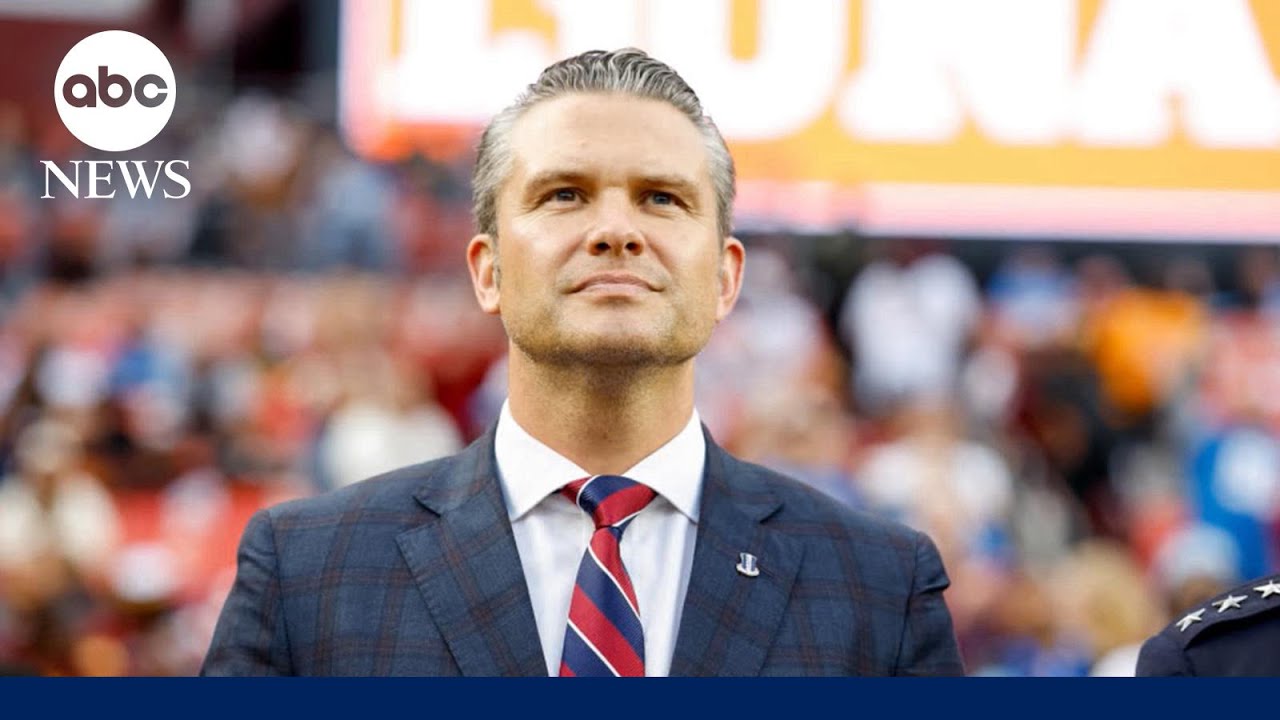
Sources are buzzing about a Pentagon Inspector General report that could spell trouble for Fox News host Pete Hegseth. Apparently, the IG alleges Hegseth might have put troops at risk by using a Signal messaging group while embedded with military units. It's a serious accusation, and one that's already sparking debate about media access and the responsibilities that come with it.
Pentagon Probe: Did Hegseth's Chat Put Troops at R...
The crux of the issue seems to be the inherent security risks associated with using encrypted messaging apps like Signal in active war zones. While Signal is known for its privacy features, no system is foolproof, and the report apparently highlights the potential for sensitive information to be compromised. Imagine troop movements, strategic plans, even just morale-boosting chatter falling into the wrong hands. The consequences could be devastating.
Now, I've been around the block a few times, covering these kinds of stories, and let me tell you, the military takes operational security *very* seriously. They have to. Lives depend on it. So, the fact that the Pentagon IG is even looking into this suggests they see a legitimate cause for concern. We're talking about a potential breach of trust, not just with the military itself, but also with the men and women serving on the front lines.
The report also raises ethical questions about the role of media figures embedded with military units. These individuals are granted incredible access, allowing them to report on the realities of war firsthand. But that access comes with a responsibility to protect the troops they're reporting on. It's a delicate balance, and this incident seems to have upset that balance, at least according to the IG's findings.
Of course, it's important to remember that this is just a report alleging wrongdoing. Hegseth hasn't been formally charged with anything, and he will undoubtedly have a chance to respond to the allegations. But regardless of the outcome, this incident serves as a stark reminder of the importance of operational security, particularly in an age of rapidly evolving technology and ever-present cyber threats. It also forces us to consider the ethics of embedded journalism and the potential conflicts of interest that can arise when media personalities get too close to the action.
The debate over media access to war zones is nothing new, but this Hegseth situation adds a particularly thorny layer. The report’s conclusions, once fully released, will likely fuel further discussions and maybe even lead to changes in how the military handles media embeds moving forward. It’s a situation worth watching closely.
Comments
Please sign in with Google to post a comment
No comments yet. Be the first to comment!