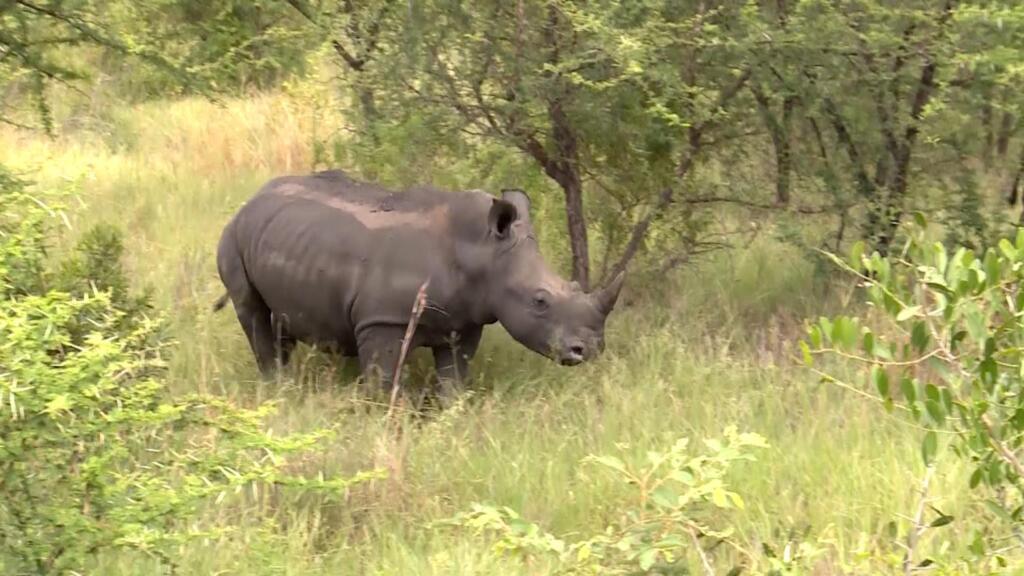
The battle to save the rhino is escalating in South Africa, with a new, ambitious initiative aiming to turn the tide against relentless poaching. Every year, the senseless slaughter of these magnificent creatures for their horns continues to be a tragic reality, fueled by demand in Asian markets where they are ground up and used in traditional medicine. It’s a grim situation, to say the least.
Rhino Wars! South Africa's Shocking Move Against P...
But there’s a glimmer of hope on the horizon. A large-scale conservation effort, dubbed the "Rhino Renaissance Campaign," launched in mid-July, promises a multi-pronged approach to protect these endangered animals. As part of the "G20 Heritage Projects," this isn't just another small-scale initiative; it's a concerted effort to tackle the problem head-on. And about time, too.
The campaign is a three-pronged attack on poaching. Firstly, it's leveraging advanced surveillance technology. Think drones, sophisticated tracking systems, and real-time monitoring – all designed to detect and deter poachers before they can even strike. This technological upgrade is a welcome change from relying solely on traditional ranger patrols. We need to be smarter than the poachers, and technology is key.
Secondly, and perhaps even more importantly, the "Rhino Renaissance Campaign" is focusing on empowering local communities. This is crucial. If the people who live alongside the rhinos don't have a stake in their survival, efforts are doomed to fail. By providing economic opportunities and involving locals in the conservation process, the campaign aims to transform them from potential poachers into active protectors of the species. It's about creating a symbiotic relationship, where rhino conservation benefits the community directly.
Finally, the campaign is employing some radical conservation measures, including dehorning. Now, this is a controversial one. While it might seem drastic, removing the rhino's horn eliminates the primary incentive for poaching. It's a preventative measure, aimed at making rhinos less attractive targets. I've seen firsthand the debate around this – some argue it's a mutilation, others see it as a necessary evil in the fight for survival. It’s a tough call, but one that highlights the desperation of the situation.
FRANCE 24’s Eunice Stoltz-Masson and Caroline Dumay are on the ground covering this story, and their reporting is crucial to raising awareness about the plight of the rhino and the efforts being made to save them. This "Rhino Renaissance Campaign" offers a reason to be optimistic. It's not a guaranteed success, of course, but it’s a bold, comprehensive plan that just might give rhinos a fighting chance at a future.
Comments
Please sign in with Google to post a comment
No comments yet. Be the first to comment!