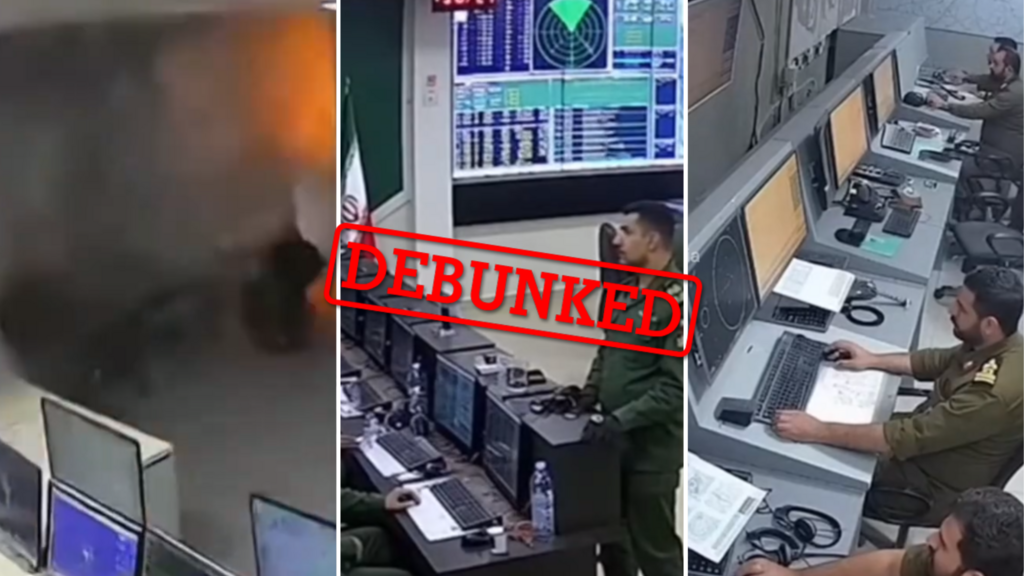
A video compilation, billed as never-before-seen footage of Israeli strikes against Iranian military command centers, has been circulating online, stoking familiar tensions in the always-volatile Middle East. Shared widely by accounts known for their pro-Israel and anti-Iranian government stances, the video allegedly depicts the destruction of key Iranian military infrastructure during the June 2025 war with Israel. But before you get too caught up in the geopolitical drama, a word of caution: it looks like AI might be writing this script… or at least, generating the visuals.
Iran's Shocking Footage: Israeli Strike EXPOSED?! ...
And by "AI," I mean artificial intelligence. Multiple sources familiar with open-source intelligence (OSINT) analysis are raising serious doubts about the authenticity of the footage. In fact, the consensus seems to be leaning heavily toward the videos being, at best, heavily manipulated, and at worst, entirely fabricated using AI tools. That’s right – we're talking deepfakes of explosions.
The analysis points to several tell-tale signs. For one, the physics of the explosions often look… off. Debris doesn't behave quite right, and the lighting seems inconsistent with the alleged environments. Then there's the over-the-top drama of it all – the videos are edited with a flair that feels more like a Hollywood blockbuster than a grainy, battlefield recording. And let’s be honest, real combat footage is rarely that visually stunning.
Now, why would someone go to the trouble of creating fake war videos? Well, the motivations are likely multifaceted. Propagandists could use such videos to amplify support for one side of the conflict, further demonize the other, or even sow discord within Iranian society. Imagine the impact of a seemingly credible video showing the utter devastation of Iranian military capabilities. It could easily shake public confidence in the regime and embolden dissent. It's a dangerous game, playing with public perception in such a sensitive region.
It's also worth remembering that the information warfare landscape is changing rapidly. The increasing sophistication and accessibility of AI tools means it's getting harder and harder to distinguish fact from fiction online. As consumers of news, we need to be more critical than ever, especially when it comes to sensational content that confirms our existing biases. Before hitting "share," maybe do a quick fact-check. A little healthy skepticism goes a long way in navigating this increasingly complex digital world. Because frankly, the next AI-generated "war" might be even more convincing.
Comments
Please sign in with Google to post a comment
No comments yet. Be the first to comment!