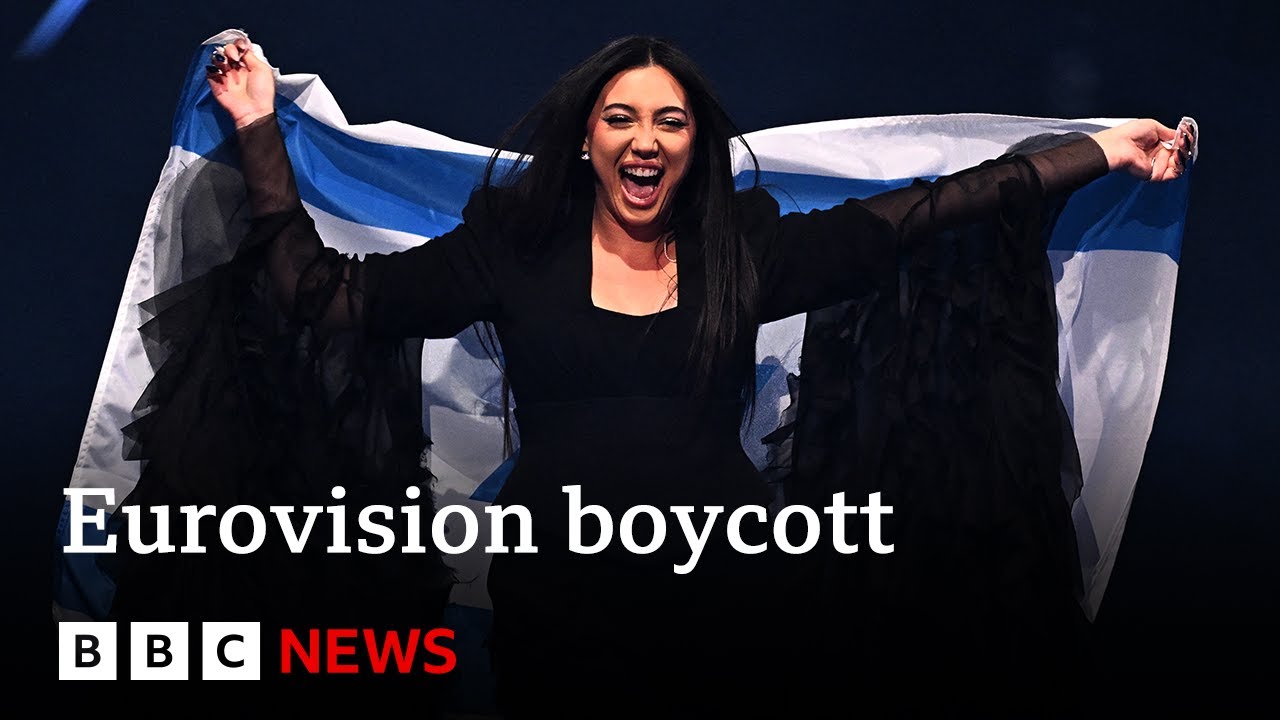
Alright folks, let's talk about Eurovision. That glittery, over-the-top celebration of music that Europe (and Australia, somehow) goes wild for every year. But this year, the sequins and catchy tunes are overshadowed by a growing controversy: a boycott movement targeting Israel's participation.
Eurovision Under Fire! Israel Entry Sparks Outrage...
The BBC News report I just watched paints a pretty clear picture. This isn't just a few disgruntled fans; it's a coordinated effort fueled by strong feelings about, well, you know. The situation in the Middle East. And it's making things complicated for the organizers, the artists, and even the viewers like myself, who generally just want to enjoy some Europop absurdity.
What's driving this boycott? The report highlights the core argument: many feel that allowing Israel to participate, given the current political climate, is essentially condoning actions they find unacceptable. They see it as a platform being used to normalize, or even distract from, serious human rights concerns. This is a recurring theme in these kinds of cultural boycotts, isn't it? It's about leveraging the power of art and entertainment to make a political statement.
But here's where it gets tricky. Is it fair to punish artists and performers who are just trying to share their music? Some argue that art should be separate from politics. Others, and I think they have a point, say that everything is inherently political, whether we like it or not. Art reflects society, and society is, well, a mess of political opinions and power dynamics.
The BBC report also touches on the potential ramifications for Eurovision itself. A successful boycott could tarnish the competition's reputation, turning it from a lighthearted spectacle into a symbol of division. It could also set a precedent, making future competitions vulnerable to similar movements. I remember a similar situation, though on a smaller scale, a few years back. It definitely left a mark.
And ultimately, that's the core of the issue. How do we balance artistic expression with political responsibility? How do we ensure that events like Eurovision, intended to bring people together, don't inadvertently become battlegrounds for deeper, more complex conflicts? It's a tough question, and I don't pretend to have the answer. But one thing is certain: this year's Eurovision is going to be a lot more than just douze points and questionable costumes.
Comments
Please sign in with Google to post a comment
No comments yet. Be the first to comment!