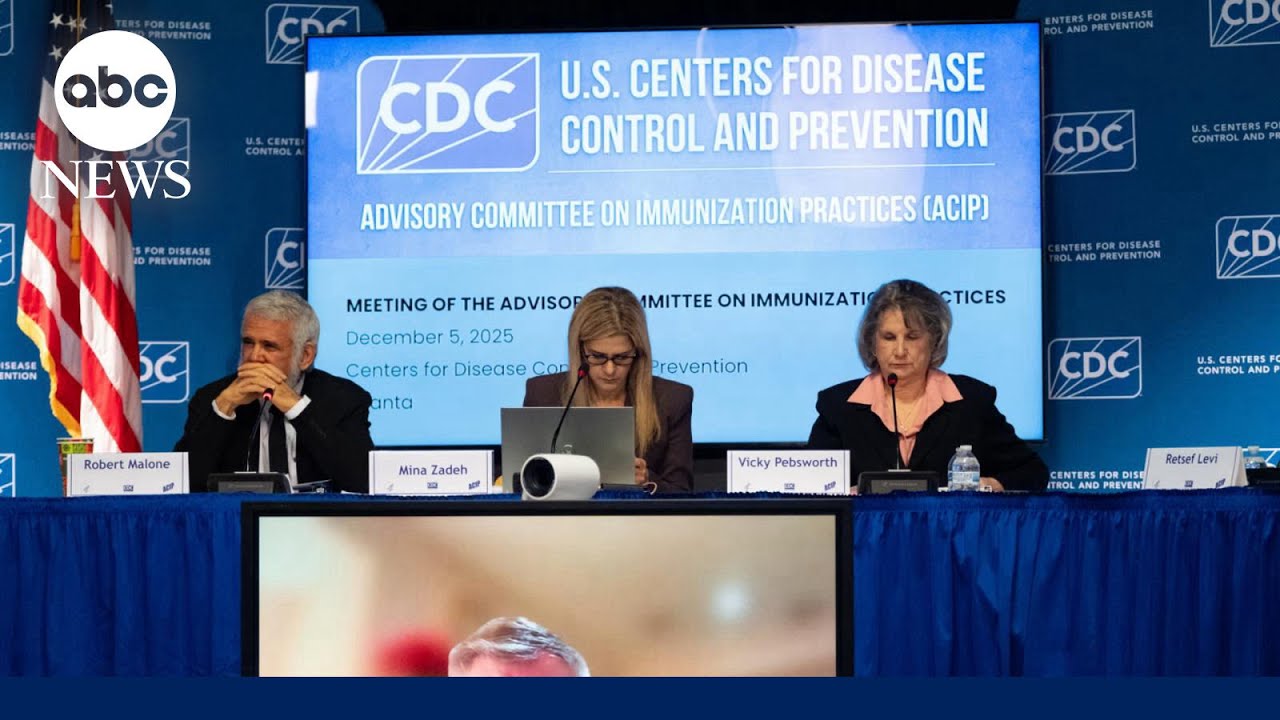
Well folks, it looks like some big changes are brewing in the world of newborn vaccinations. A CDC advisory panel has just voted to roll back the universal recommendation that all newborns receive a hepatitis B vaccine at birth. This is definitely a story that’s going to get people talking, and understandably so.
Shocking! CDC Reverses Hepatitis B Vaccine Recomme...
For years, the standard protocol has been to administer the hep B vaccine to newborns, regardless of their mother's hepatitis B status. The idea was simple: protect as many children as possible from this potentially serious liver infection early in life. It’s been a cornerstone of preventative care, aiming to nip the problem in the bud before it even had a chance to take root.
So, why the change of heart? That's the million-dollar question, isn’t it? While I haven’t personally seen the closed-door discussions of the panel, the shift likely stems from a reassessment of the risk-benefit ratio. You see, universal vaccination, while generally effective, isn't without its considerations. Perhaps the panel felt the risks associated with the vaccine, however minimal they may be, outweighed the benefits for a specific subset of the population, or maybe they've found certain populations have a lower risk now than before. The real rationale behind this vote needs some serious digging.
This decision isn't just some minor tweak; it has the potential to significantly reshape hepatitis B prevention strategies in the United States. Think about it: hospitals, pediatricians, and expectant parents will all need to adjust to the new guidelines. There are likely to be changes in screening procedures, vaccination schedules, and the way healthcare providers counsel parents about the vaccine. We might start seeing more targeted vaccination programs, focusing on infants born to mothers who are hepatitis B positive or those at higher risk.
Now, naturally, there will be concerns. Some folks will worry that this change could lead to a resurgence of hepatitis B infections in newborns. We’ve seen similar anxieties play out with other vaccine debates. It's a valid concern, and it underscores the importance of clear and transparent communication from the CDC and the healthcare community. It's vital that everyone understands the reasoning behind this shift, the potential risks, and the steps being taken to ensure that vulnerable infants remain protected.
Honestly, this decision deserves a closer look. It’s a nuanced issue with complex implications, and it's crucial that we, as a society, understand the factors driving this change. What's next? Well, keep an eye on this space. We'll be diving deeper into the data and speaking with experts to bring you a clearer picture of what this means for public health.
Comments
Please sign in with Google to post a comment
No comments yet. Be the first to comment!