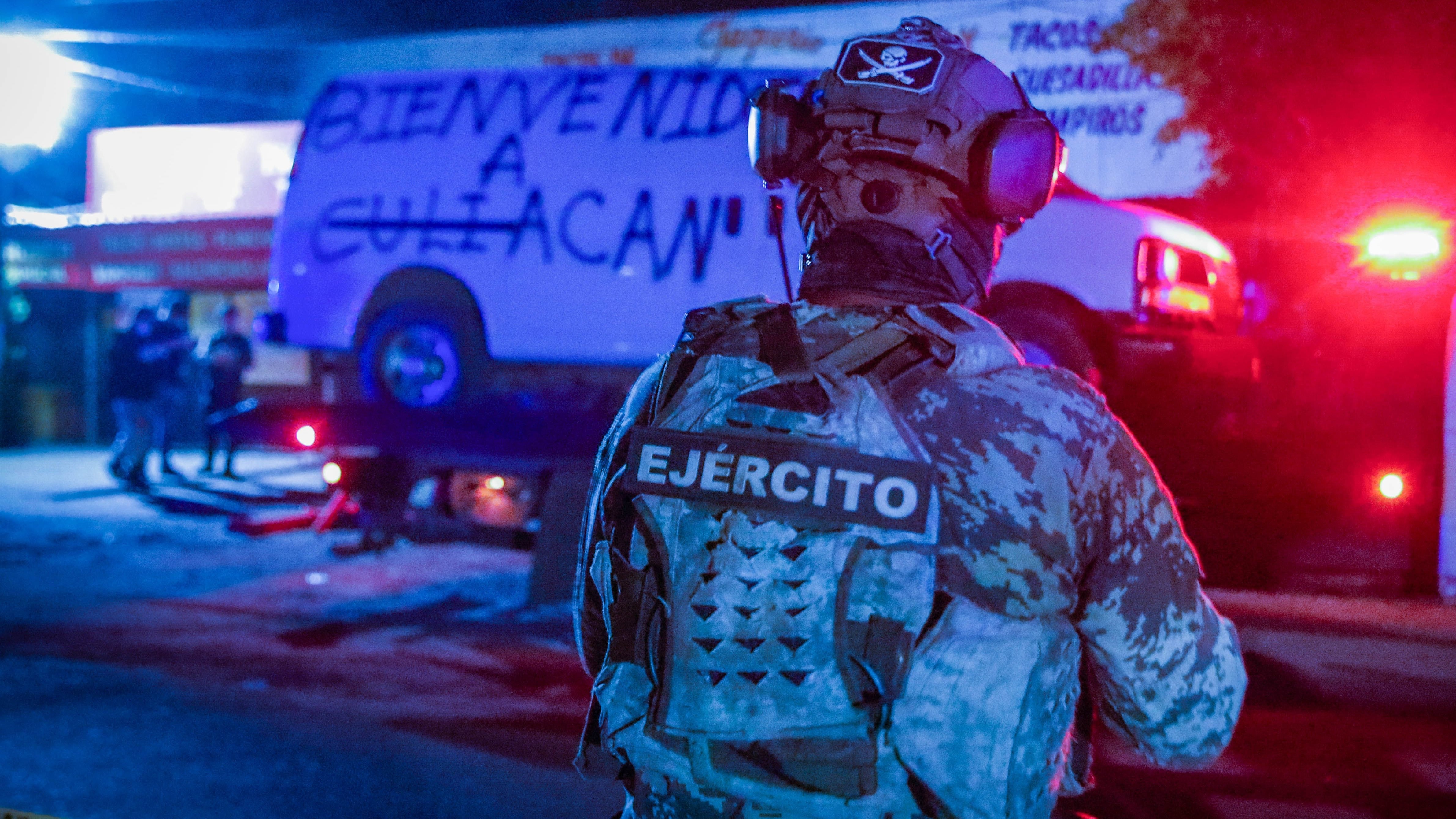
Organized crime isn't just knocking on Latin America's door; it's kicked it down, moved in, and is redecorating the place in blood money. Across the continent, a disturbing surge in drug production and trafficking acts as the engine, but it's the diversification of criminal operations and the sheer firepower these groups are now wielding that's truly alarming. Governments, frankly, seem to be flailing – stuck between ineffective, hard-line policies and, in some cases, apparent paralysis.
Latin America Under Siege: Can It Survive Organize...
I recently came across a chilling image that perfectly encapsulates the crisis. It was a picture of a small, green piece of paper, bearing a stark warning in all caps. This wasn't some high-level government document; it was a threat, plastered on street corners in Guerrero, Mexico. But this could have been found anywhere from Chile to Colombia. The message was simple and terrifying: local merchants would soon be required to pay a "fee." The chilling sign-off? "This neighborhood has an owner." It's a stark reminder that criminal empires are not just lines on a map; they are actively, violently, and personally impacting the lives of ordinary people.
Too often, we see individual countries in Latin America focusing on their own internal affairs, failing to grasp the interconnected nature of this problem. The predatory reach of organized crime is pervasive, a suffocating blanket stretched from the Andes to the Amazon. Think about it: in Mexico, criminals are siphoning fuel from pipelines or importing it tax-free through falsified customs declarations. In Peru, Ecuador, and Colombia, they're illegally exploiting gold and other mineral mines. And in Brazil, rampant deforestation feeds an insatiable global demand for timber.
What's even more disturbing is the level of complicity from state actors. "In environmental crimes, this is very evident," Cecilia Farfán, head of the North America Observatory at GITOC, told me in a recent interview. GITOC, a civil society organization, specializes in researching transnational organized crime, and their insights are invaluable. This isn't just about rogue individuals; it's about systemic corruption that allows these criminal enterprises to flourish.
Beyond the usual suspects – drug trafficking and extortion – these criminal groups are increasingly involved in human trafficking (both of migrants and others) and arms smuggling. It's a portfolio of illicit activities designed for maximum profit and maximum disruption.
GITOC's recent report on the global crime landscape really drove home the point about firearms in Latin America. The region, sadly, leads the world in gun-related murders. "Compared to 20 years ago, organized crime has more and better weapons – so much so that people think they are better than those of the armed forces," Farfán explained. In this context, violence isn't just a means to an end; it's a message, a show of force, a constant reminder of who's really in charge.
I recall stories of the murder of DEA agent Enrique Camarena in Mexico in the 1980s, and the "Years of Lead" under Pablo Escobar in Colombia in the early 1990s, but the truth is, the drug trade initially relied more on secrecy than outright violence. Bribes and maintaining a semblance of order were the cornerstones of the business. The dismantling of old cartels, combined with the fragmentation of their protection networks (often deeply embedded within state security forces), has dramatically altered the landscape. The game has changed, and Latin America is paying the price.
Comments
Please sign in with Google to post a comment
No comments yet. Be the first to comment!