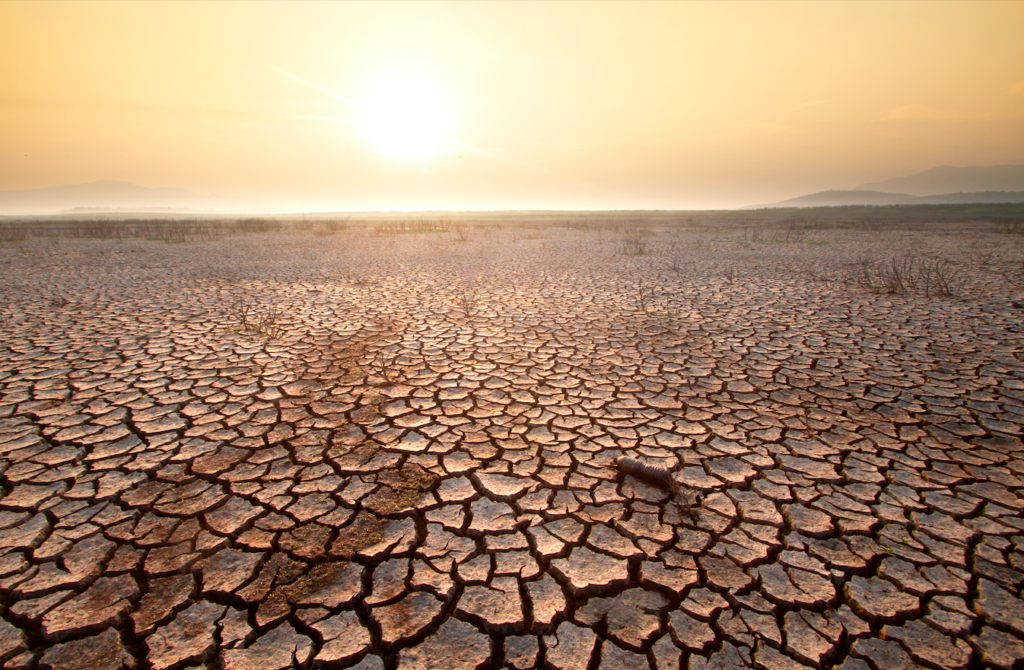
Tehran, a sprawling metropolis home to over 10 million souls, is teetering on the brink of a severe water crisis. Think biblical proportions, except instead of locusts, it's just... no water. And the consequences, frankly, could be just as devastating. Authorities are scrambling, and whispers of water rationing and even neighborhood evacuations are growing louder. The only thing standing between Tehran and a parched nightmare is a good, solid downpour – and soon.
Megacity Evacuation?! Millions Face Disaster - Wha...
The crux of the problem lies in the city's rapidly depleting reservoirs. I'm talking alarmingly low levels. The Karaj Dam, a vital artery in Tehran's water supply system, is reportedly sitting at a measly 8% capacity. Eight percent! That's not even enough to keep a decent-sized garden watered, let alone a megacity. This isn't a sudden blip either; it's the culmination of a brutal six-year drought that's been slowly choking the region.
"If it doesn’t rain this month, we will have no water at all," a local official grimly stated, and honestly, I don't think they're exaggerating. This isn't just about shorter showers or browner lawns; we're talking about a potential collapse of essential services. And the clock is ticking.
So, what's to blame? Well, it's a perfect storm, really. Rapid urbanization has placed immense strain on existing resources. Uncontrolled groundwater extraction has further depleted reserves. And, of course, the ever-looming spectre of climate change – bringing with it prolonged heatwaves and crippling droughts – has pushed the situation to the breaking point. It's a complex problem with no easy answers, but one thing is clear: something drastic needs to happen, and fast.
Tehran's plight isn't unique, though. We're seeing similar warnings pop up across Europe, fueled by the same toxic mix of extended droughts, scorching summers, and dwindling rainfall. And it’s not just far-flung arid regions. Even cities like London, traditionally known for their rain, are being flagged for future water stress. This isn’t a localized issue; it’s a global wake-up call.
The consequences of these shortages are far-reaching. Rationing, targeted water shutoffs, impacts on households, industry, and agriculture – it's a domino effect that can cripple a city. In Tehran, some neighborhoods are already experiencing intermittent water supply, a stark warning of what's to come. And the prospect of forced evacuations, while still a worst-case scenario, is now a very real possibility.
The lesson here is clear: we need to build resilient water systems, and we need them now. Investment in infrastructure, sustainable consumption practices, and climate-resilient water management strategies are no longer optional; they're essential for survival. The alternative? More cities facing "Day Zero," a once unthinkable prospect that's now looming closer than ever.
Comments
Please sign in with Google to post a comment
No comments yet. Be the first to comment!