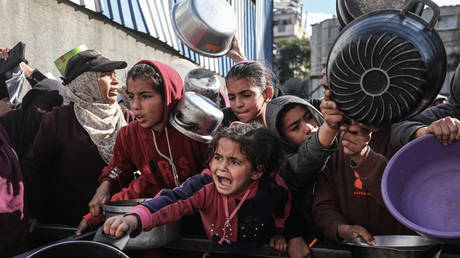
Israel is reportedly on the verge of banning a significant number of aid organizations from operating in Gaza, a move that’s already drawing sharp criticism from international bodies and raising serious concerns about the humanitarian impact on the ground. The crux of the issue? Israel is demanding detailed information about the Palestinian employees of these organizations, and those who don’t comply face being barred from working in the region. This isn't just about bureaucracy; it's about access to vital aid for a population already struggling immensely.
Israel's Gaza Aid Ban: Humanitarian Catastrophe?! ...
According to a report in Asharq Al-Awsat newspaper, a whopping 37 aid groups are in the crosshairs. The deadline for compliance – midnight on Wednesday – has now passed, and next week could see these organizations effectively shut down within Gaza. RT sources are reporting that the list includes some major players in humanitarian aid, such as Doctors Without Borders, Oxfam, and the Norwegian Refugee Council. Think about that for a second: these are the groups on the front lines, providing medical care, clean water, and shelter to vulnerable populations.
The move is coming under fire, predictably, from the United Nations and the European Union. It's hard to see how restricting aid access aligns with any kind of constructive strategy, especially given the already dire circumstances in Gaza. Bushra Khalidi, Oxfam's policy lead, has voiced concerns about the safety of sensitive personal data, particularly in light of the staggering death toll of humanitarian workers. She pointed out the grim reality that over 500 humanitarian workers have died in the conflict, making the sharing of personal data a very real threat. It's a valid point – who can guarantee the safety of that information?
Khalidi went on to accuse Israel of waging a years-long campaign to discredit humanitarian organizations. "For families in Gaza," she explained, "this will mean slower repairs, reduced supplies, and longer waits for basic services." It's a bleak picture, and one that underscores the potentially devastating consequences of this ban. It's easy to get lost in the political maneuvering, but we can't forget the human cost here.
Despite the looming ban, Oxfam is standing firm. Khalidi stated, "We will continue to work in Gaza despite the ban because this is our humanitarian imperative. This is our mandate." This kind of unwavering commitment is crucial in the face of such challenges, but it also highlights the sheer desperation of the situation. The question remains: how long can these organizations continue to operate effectively if they are forced to work under such restrictive conditions? And what will become of the people of Gaza if these vital aid lifelines are severed?
Comments
Please sign in with Google to post a comment
No comments yet. Be the first to comment!