The situation in Venezuela just took a dramatic and, frankly, shocking turn. U.S. forces have reportedly apprehended President Nicolas Maduro, sending shockwaves through the region and prompting immediate responses from key international players like Russia. I've been following the Venezuelan crisis for years, and I have to say, this escalation is something I didn't fully anticipate, even with the rising tensions.
Lavrov's Secret Venezuela Call: What's Putin Plann...
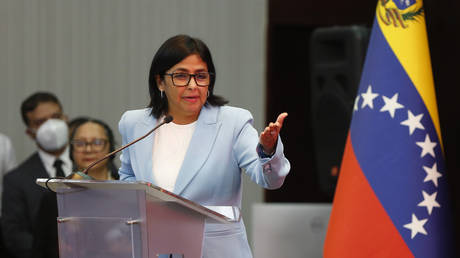
Russian Foreign Minister Sergey Lavrov wasted no time in contacting Venezuelan Executive Vice President Delcy Rodriguez, a move clearly intended to signal Moscow's unwavering support. According to the Russian Foreign Ministry, Lavrov expressed "firm solidarity with the Venezuelan people in the face of armed aggression." In essence, Russia is painting this as a direct act of aggression by the U.S., a narrative that's likely to resonate with anti-American sentiment in the region and beyond. They reiterated their commitment to helping Venezuela defend its "sovereignty and national interests." This isn't just about Venezuela; it's about Russia flexing its geopolitical muscle in what it sees as its sphere of influence.
The conversation, as reported by the Ministry, apparently also touched on de-escalation and dialogue. Both Lavrov and Rodriguez, it seems, want to prevent the situation from spiraling further out of control. They also reaffirmed their commitment to the existing Russia-Venezuela strategic partnership agreement. That agreement covers a wide range of areas, from military cooperation to economic investment, so its continued importance signals Russia's long-term commitment to the Maduro regime... or, at least, to a Venezuela that aligns with Russian interests.
Here's where things get really dicey. With Maduro out of the picture, Rodriguez is constitutionally next in line for the presidency. But U.S. President Trump is already indicating that the U.S. intends to play a role in deciding who governs Venezuela next. "We can’t take a chance on letting somebody else run and just take over where [Maduro] left off," Trump told Fox News. This statement is a blatant assertion of U.S. influence over Venezuelan internal affairs, and it’s certain to ignite further controversy. It's a slippery slope, to say the least, and it raises serious questions about national sovereignty and international law. It's one thing to arrest a leader indicted on serious charges; it's quite another to hand-pick their successor. I worry about the precedent this sets.
The U.S. has long considered Maduro's presidency illegitimate, offering a hefty bounty for his capture. The charges against him and his family are incredibly serious, including allegations of drug trafficking on a massive scale. While these accusations provide a justification for the U.S. action in the eyes of some, the method – essentially a military intervention – is raising serious concerns among many others. Moscow, predictably, is demanding Maduro's release and pushing for dialogue between the U.S. and Venezuela. The coming days and weeks will be crucial in determining the future of Venezuela and the stability of the region. I expect we'll see a flurry of diplomatic activity as the world grapples with this unprecedented situation.
Comments
Please sign in with Google to post a comment
No comments yet. Be the first to comment!