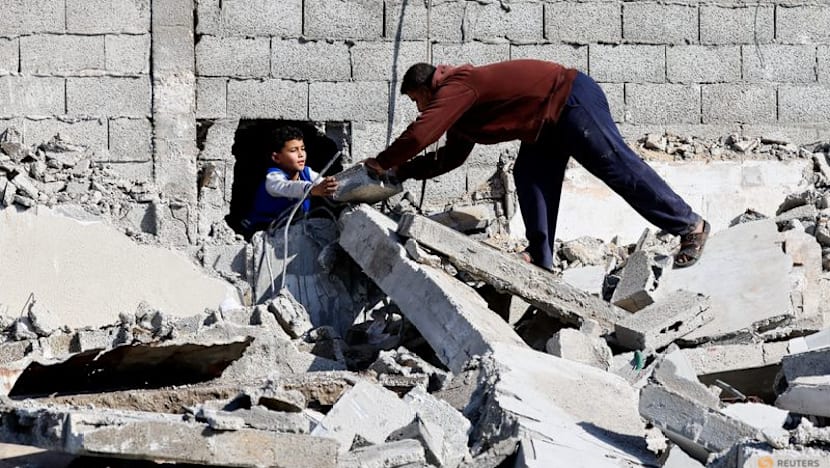
Tensions in the Middle East flared again this week as Israel launched a series of airstrikes targeting locations in southern and eastern Lebanon. The strikes, which Israel claims targeted infrastructure used by Hezbollah and Hamas, come just days before a crucial government meeting in Beirut focused on disarming Hezbollah along the Israeli border.
Israel Strikes Lebanon: Will This Spark All-Out Wa...
The timing is, shall we say, *interesting*. It's hard not to see these strikes as a pressure tactic ahead of Thursday's meeting, where Lebanon's army commander, Gen. Rudolph Haikal, is set to brief the government on progress – or lack thereof – in disarming Hezbollah. The Lebanese government is aiming to clear the south Litani area of Hezbollah’s armed presence by the end of next year.
Prior to the strikes, Israeli military spokesman Avichay Adraee took to X (formerly Twitter, of course) to warn that targets linked to Hezbollah and Hamas in the Bekaa Valley and southern Lebanon were in the crosshairs. It's a pretty standard practice these days, the public warning before the action. It's meant to send a message, not just to the militants, but to the Lebanese government and international observers as well.
According to Lebanon's National News Agency, one of the houses struck in Manara, in the Bekaa Valley, belonged to Sharhabil al-Sayed, a Hamas military commander who was previously killed in an Israeli drone strike back in May. It does raise questions about intelligence accuracy, or perhaps a deliberate attempt to send an even stronger message. Who knows.
The strikes on Monday actually hit villages quite a bit north of the Litani River – a significant distance from the Israeli border. This suggests that Israel's definition of "Hezbollah infrastructure" might be broader than some would like to believe.
These events are, of course, happening in the aftermath of a 14-month war between Israel and Hezbollah, which ended last November with a US-brokered ceasefire. That conflict decimated much of Hezbollah's leadership. Despite the ceasefire, Israel has continued with near-daily airstrikes, allegedly targeting Hezbollah members. It's a low-intensity conflict that simmers constantly, threatening to boil over again at any moment.
The UN High Commissioner for Human Rights reports that, tragically, 127 civilians have also been killed since the ceasefire. And just yesterday, Lebanon's Health Ministry reported that a drone strike on a car in the southern village of Braikeh wounded two people. The Israeli military claims those individuals were Hezbollah operatives. The cycle of violence continues, with no clear end in sight. It's a grim situation, and one that demands careful and constant monitoring.
Comments
Please sign in with Google to post a comment
No comments yet. Be the first to comment!