## Ramadan 2026 Training Tips: Inside the Fasting Playbook of Elite Muslim Athletes
Ramadan 2026: Elite Athletes' SHOCKING Fasting Sec...
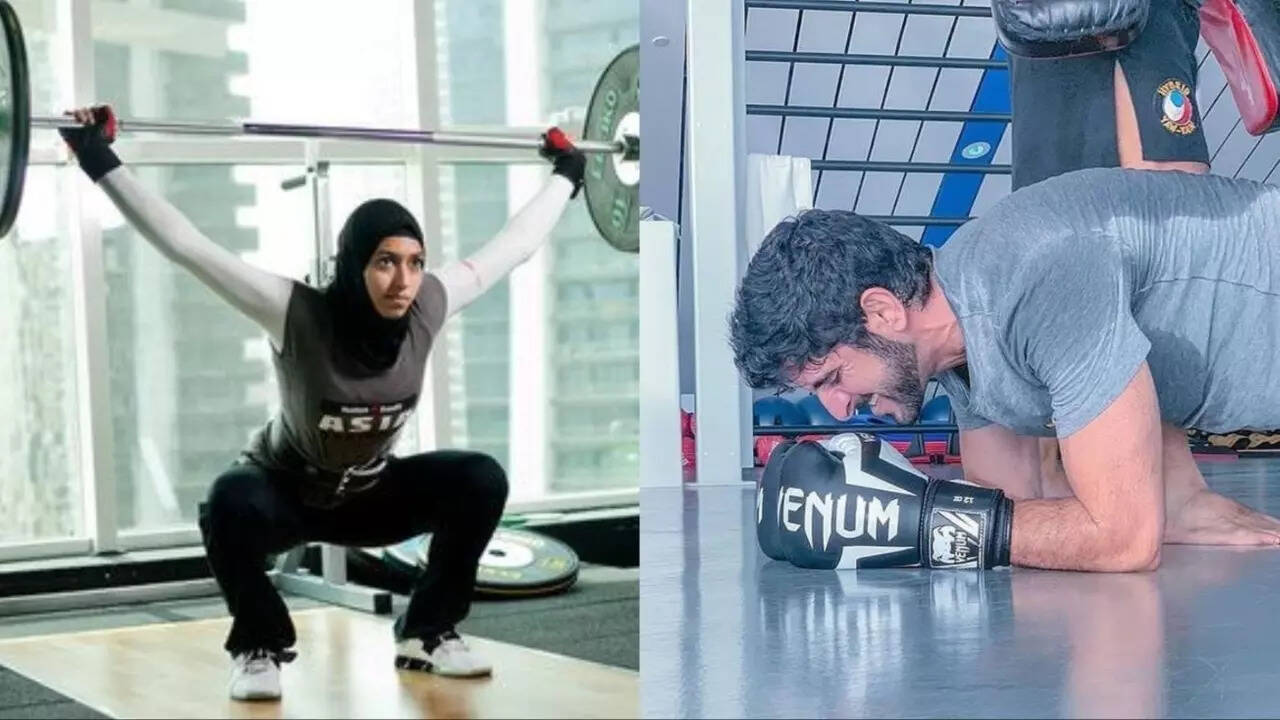
Elite Muslim athletes face a unique tightrope walk: honoring their faith during Ramadan while maintaining the grueling demands of their sport. But it's not just about willpower. Emerging sports science reveals that strategic training, meticulously planned timing, and optimized nutrition can actually allow them to maintain, and sometimes even *improve*, peak performance throughout the holy month.
Adjusting workout schedules and prioritizing hydration are, unsurprisingly, crucial elements of this approach. It’s about more than just pushing through; it's about carefully managing the body's resources. By skillfully balancing these factors, athletes can successfully observe their fast while continuing to excel in their respective sports. Think of it as a high-stakes chess game with the body as the board.
**Ramadan 2026: Inside the Fasting Playbook**
With Ramadan approaching in February 2026, many Muslim athletes are no doubt already looking for guidance on how to compete while abstaining from food and drink from sunrise to sunset for 30 days. Whether they’re world-class fighters stepping into the ring, long-distance runners pounding the pavement, or team sport participants battling it out on the field, the ability to perform at a high level while fasting hinges on a combination of unwavering belief, a meticulously planned strategy, and a scientifically informed approach. It's a fascinating blend of the spiritual and the physical.
This delicate balancing act has, thankfully, become a focal point in sports science. New research is consistently shedding light on the most effective strategies for training intensely on an empty stomach. It's a field of study that's only going to become more relevant as the world becomes increasingly interconnected and diverse.
**Physiological Adaptations: Not Always Negative**
A key consideration for fasting athletes is, of course, the impact of restricted food and water intake. No one's denying that fasting places additional stress on the body! However, a 2025 systematic review published in the *Journal of Modern Social Sciences* suggests that while Ramadan fasting *does* alter hydration and energy availability, its impact on anaerobic and aerobic performance is generally limited when athletes properly manage their training, sleep, and nutrition. In other words, knowledge is power.
The study concluded that "effects on endurance and strength may be improved with proper training and nutrition management," emphasizing the importance of consistent training *throughout* Ramadan as part of a successful strategy. I found that particularly interesting. It's not about taking it easy; it's about adapting. This aligns with other sports nutrition studies that have found intermittent fasting, such as the Ramadan diet, can enable the body to adapt and utilize fat reserves while conserving carbohydrates. Smart, right?
**Timing and Hydration: Cornerstones of Performance**
The research is pretty clear: fasting doesn't *inevitably* lead to diminished sports performance. Timing is everything. Training sessions conducted after breaking the fast (iftar) tend to yield better results compared to those performed while fasting. This makes perfect sense when you think about it; it's all about refueling and rehydrating. The crucial role of water and nutrient consumption before and after training in promoting muscle recovery and endurance cannot be overstated. It's the foundation upon which performance is built.
Comments
Please sign in with Google to post a comment
No comments yet. Be the first to comment!