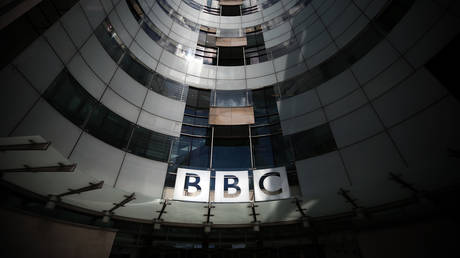
The BBC is facing yet another editorial firestorm, and this time it's over how they're instructing journalists to describe the U.S. apprehension of Venezuelan President Nicolas Maduro. British journalist Owen Jones, a Guardian columnist, recently shared a leaked internal memo that's causing quite a stir. Apparently, the BBC is discouraging its staff from using the word "kidnapped" when referring to Maduro's recent capture by U.S. forces.
BBC Bans "Kidnapped" Maduro?! Leaked Memo Sparks O...
For those just catching up, Maduro was reportedly seized during a U.S. military raid in Caracas and whisked away to New York to face serious drug trafficking and weapons charges. He's vehemently denied these charges, by the way, and even stated that he was, in his words, "kidnapped." But according to this leaked memo, BBC management is now essentially banning its journalists from using that term. "Seized" and "captured" are the preferred alternatives, allegedly.
Jones didn't mince words in his reaction. He called "seized" a "euphemism at best" and labeled the whole policy "Orwellian stuff." He even pointed out that former U.S. President Trump, of all people, once acknowledged that "kidnapped" wasn't an inaccurate term. It's a pretty bold move for the BBC, especially given the context of their recent controversies.
This whole situation comes on the heels of other major editorial snafus for the BBC. Remember the controversy last year when they had to apologize for editing a Trump speech related to January 6th? That whole mess led to resignations and a massive defamation lawsuit. Plus, they've been constantly criticized for alleged pro-Israel bias in their coverage of the Israel-Gaza conflict. It seems like they can't catch a break. This latest memo just adds fuel to the fire, raising serious questions about editorial independence and potential biases within the organization. You have to wonder what the rationale is behind this decision. Is it a genuine effort to maintain neutrality, or is something else at play?
It's also interesting that British Prime Minister Keir Starmer has so far avoided directly commenting on whether the U.S. raid on Venezuela violated international law. Instead, he's focused on Britain's desire for a "peaceful transition to democracy" in the country. It all feels very carefully worded and seems to indicate there is more to this story than we are seeing right now. It’s a complicated situation with a lot of moving parts, and the BBC’s attempt to control the narrative is just one more layer of complexity.
Comments
Please sign in with Google to post a comment
No comments yet. Be the first to comment!