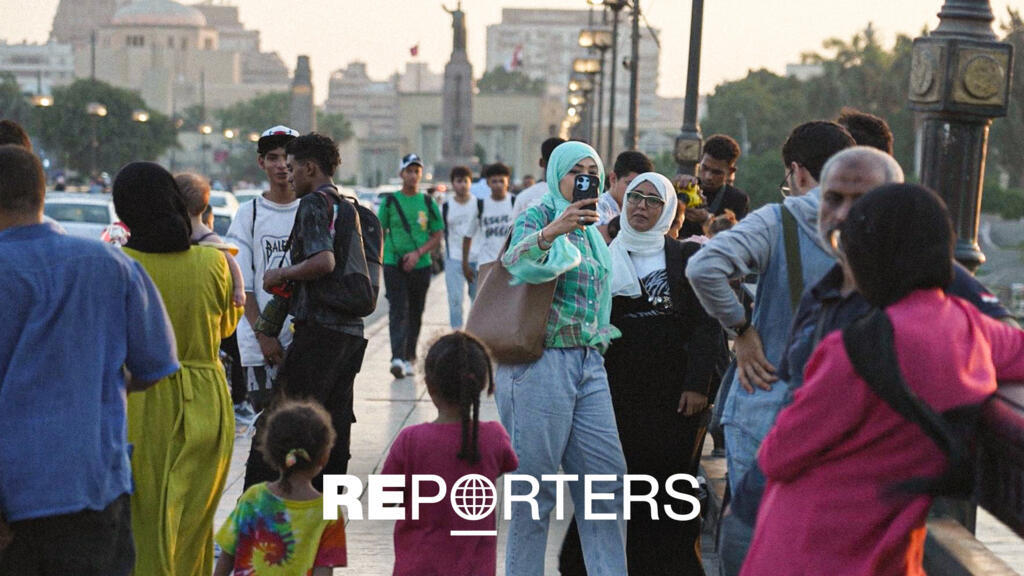
Egypt's enduring practice of imprisoning individuals for debt, a rarity on the global stage, is disproportionately impacting a vulnerable segment of its population: women. These women, often referred to as "Gharimat," find themselves trapped in a vicious cycle of financial hardship that can lead to incarceration. As someone who has covered human rights issues for years, it's disheartening to see such outdated practices continue, especially when the victims are already struggling.
Egypt's Debt Trap: Women Face Prison?! The Shockin...
The term "Gharimat," literally meaning "women debtors," encapsulates the plight of countless Egyptian women who are forced into debt due to dire economic circumstances. Many are widowed or single mothers, burdened with the sole responsibility of providing for their families. They take out loans, often small sums, to cover essential expenses like food, rent, or medical care. It's a desperate measure, a gamble taken out of necessity rather than choice.
Unfortunately, these vulnerable women are often preyed upon by unscrupulous creditors. These lenders, sometimes operating outside the bounds of formal financial institutions, exploit the Gharimat's desperation, charging exorbitant interest rates and imposing harsh repayment terms. When the women inevitably struggle to meet these obligations, they face the very real threat of imprisonment. And that’s where things get truly Kafkaesque.
The imprisonment of these women not only punishes them for their poverty but also exacerbates their financial woes and tears apart families. With the primary caregiver behind bars, children are often left without support, forced to drop out of school and enter the workforce prematurely. It’s a devastating ripple effect that perpetuates the cycle of poverty and social inequality. It's hard to imagine the despair of a mother knowing her children are suffering because she couldn’t make ends meet.
Amidst this bleak reality, however, there are glimmers of hope. Various associations and NGOs are stepping up to provide assistance to the Gharimat, working to help them achieve financial independence and escape the clutches of debt. These organizations offer a range of services, including financial literacy training, microloans with reasonable interest rates, and legal aid to challenge exploitative lending practices. It's a tough battle, but these efforts are crucial in empowering women and breaking the cycle of debt and imprisonment. Ultimately, though, systemic change is needed. Egypt needs to reconsider its laws regarding debt imprisonment and prioritize social safety nets that prevent women from falling into such desperate situations in the first place.
Comments
Please sign in with Google to post a comment
No comments yet. Be the first to comment!