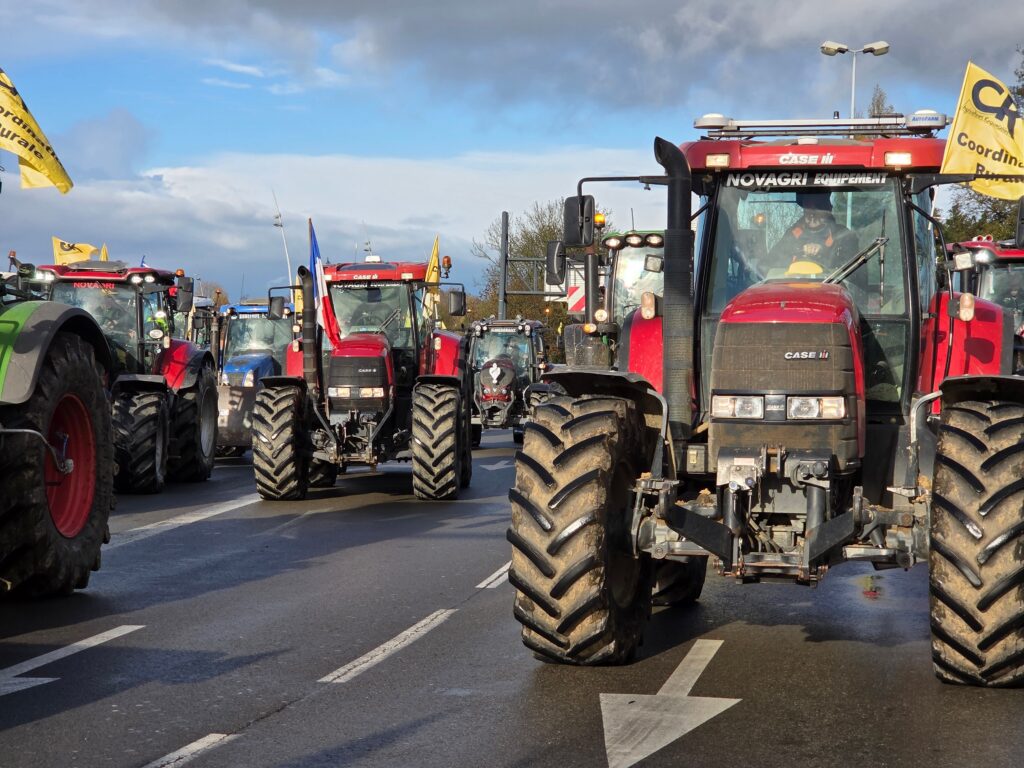
After a quarter-century of talks, countless revisions, and more than a few near-collapses, the European Union has finally given the green light to the long-negotiated trade agreement with Mercosur. Yes, you read that right – *finally*. The deal, encompassing the EU and the South American bloc of Argentina, Brazil, Paraguay, and Uruguay, received the decisive nod from EU member states earlier this week.
EU-Mercosur Deal: 25 Years of Talks...But What's t...
This isn't just some bureaucratic rubber-stamping; it's a significant step. The European Commission, now armed with the political backing of member states, is authorized to proceed with the formal signing. EU officials are practically beaming, calling it a "historically significant" moment. Whether that hyperbole holds up remains to be seen, but it’s undoubtedly a big deal.
So, what's actually in this thing? In essence, the EU-Mercosur agreement aims to eliminate tariffs on a hefty chunk of goods traded between the two regions, phased in over time. We're talking reduced or removed duties on European exports like automobiles, machinery, pharmaceuticals, and chemicals. In return, Mercosur gets increased access for their agricultural products, things like beef, poultry, sugar, and ethanol.
Beyond just cutting tariffs, the agreement also covers things like public procurement, intellectual property protection, even geographical indications (think Parma ham or Scotch whisky). Supporters are painting a rosy picture: stronger supply chains, fewer trade barriers, and a whole host of new opportunities for businesses on both sides of the Atlantic. Sounds great on paper, right?
Now, it hasn's been all smooth sailing. Remember all those years of negotiation? Well, a major sticking point has been sustainable development, labor rights, and environmental standards. Several EU countries have been quite vocal in their opposition, worried that the agreement could water down their own agricultural standards or simply not do enough to protect the environment. I can see their point, honestly. But others argue that engagement, with legally binding commitments, is a better strategy than perpetually delaying the inevitable.
The renewed push to approve the deal seems to reflect a realization within the EU that the world is changing and they need to diversify their economic partnerships, especially given the current geopolitical climate. Makes sense.
However, don’t start celebrating just yet. The signing is just the first step. The agreement still needs to be ratified by the European Parliament, and, depending on the final legal text, by national parliaments in EU member states. That’s a process that could take years and is bound to be politically fraught. Until that happens, nothing changes. Still, it's a step forward after what feels like an eternity of debate. If fully ratified, the EU-Mercosur agreement would create a trade area covering over 700 million people, one of the largest in the world. And that, folks, is a potential game-changer.
Comments
Please sign in with Google to post a comment
No comments yet. Be the first to comment!