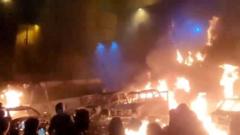
As protests in Iran rumble on, disturbing reports are emerging from inside the country painting a grim picture of overwhelmed hospitals and a potential crackdown intensification. Think about it – it's hard enough to deal with a regular influx of emergency patients; add to that the casualties of widespread protests, and the strain on resources must be immense.
Iran Protests: Medics' SHOCKING Report From Overwh...
The BBC, despite being barred from on-the-ground reporting within Iran, managed to get information from medical personnel. Doctors and medics at two separate hospitals described facilities struggling to cope with a surge of patients. One doctor even characterized the situation at an eye hospital in Tehran as a full-blown crisis. Another medic reported a severe shortage of surgeons, compounding the already dire situation.
The situation has understandably drawn international attention. Former U.S. President Donald Trump, never one to mince words, weighed in with a rather inflammatory statement, warning Iran against violence. "You better not start shooting because we'll start shooting too," he said on Friday. While the sentiment might be aimed at preventing further bloodshed, the rhetoric isn't exactly helping to de-escalate tensions.
Predictably, Iran has pushed back against this external pressure. In a letter to the UN Security Council, the Iranian government accused the United States of inciting "violent subversive acts and widespread vandalism" under the guise of these protests. It's the age-old blame game, and unfortunately, it's the ordinary people who are caught in the middle.
Despite the restrictions, glimpses of the truth are seeping through. A medic in Shiraz managed to send a video and audio message to the BBC, describing a surge in injured patients, many suffering from what he claimed were gunshot wounds to the head and eyes. This kind of testimony is chilling, and the near-total internet blackout imposed by the Iranian government since Thursday only serves to fuel suspicions of a severe crackdown.
Human rights organizations are doing their best to track the escalating violence. The US-based Human Rights Activist News Agency (HRANA) estimates at least 50 protesters and 15 security personnel have been killed, with over 2,300 arrests since the protests began on December 28th. Iran Human Rights (IHRNGO), based in Norway, puts the protester death toll even higher, at at least 51, including nine children. The BBC Persian service has independently confirmed the identities of 22 of those victims through interviews with their families. These aren't just numbers; they are real people whose lives have been tragically cut short.
The international community has responded with calls for restraint. UN Secretary General spokesperson Stéphane Dujarric expressed concern over the loss of life, emphasizing the right to peaceful demonstration. Leaders like French President Emmanuel Macron, former UK Labour Leader Sir Keir Starmer, and German Chancellor Friedrich Merz have issued a joint statement urging Iranian authorities to protect their population and allow freedom of expression.
However, inside Iran, the message remains unwavering. Supreme Leader Ayatollah Ali Khamenei, in a televised address, remained defiant, stating that the Islamic Republic would not back down in the face of dissent. And that, perhaps, is the most worrying signal of all.
Comments
Please sign in with Google to post a comment
No comments yet. Be the first to comment!