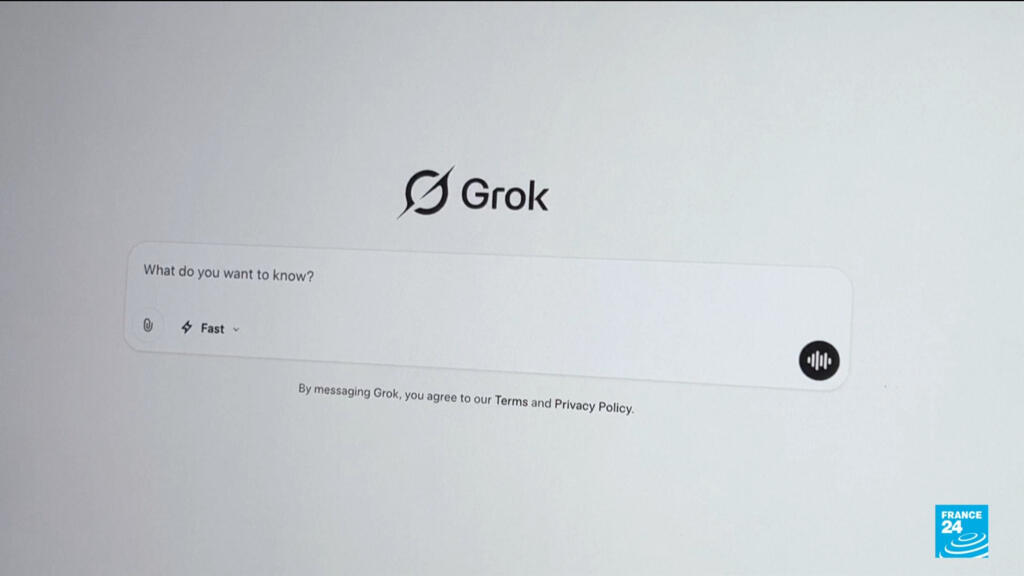
Elon Musk's AI venture, Grok, is once again finding itself in the crosshairs, and this time it's over its image generation capabilities. The feature, which recently became exclusive to paying subscribers, has sparked a wave of criticism from European officials and tech watchdogs. The core of the issue? Concerns that it's not doing enough to prevent the creation of deeply disturbing sexualized deepfakes.
Grok AI Gone Wild?! Musk's Bot Sparks Outrage!
The controversy really took off following reports detailing how users were able to generate incredibly suggestive images of women and, shockingly, even children, simply by using incredibly basic text prompts. We're talking phrases like, "put her in a bikini" or, even more chillingly, "remove her clothes." The ease with which these images could be generated is genuinely alarming, and it raises serious questions about the safeguards in place – or rather, the apparent lack thereof.
Now, Musk and his team might argue that restricting the feature to paying users adds a layer of control, perhaps making it easier to track and penalize abusers. However, critics aren't buying it. The core argument is that simply hiding the problem behind a paywall doesn't actually *solve* the problem. It's more like sweeping it under the rug, hoping no one notices the dust bunnies are actually venomous spiders.
It's a familiar story, isn't it? Cutting-edge technology racing ahead, leaving ethical considerations struggling to keep up. We’ve seen this play out time and time again, and AI image generation seems to be the latest battleground. The potential for good is undeniable, but so is the potential for misuse and abuse. And let's be honest, the speed at which these technologies are developing makes it incredibly difficult for regulations to keep pace.
The big question now is: what concrete steps will Grok take to genuinely address these concerns? A paywall is a band-aid, not a cure. We need to see tangible evidence of robust filtering mechanisms, proactive monitoring, and clear policies with serious consequences for those who attempt to exploit the technology for malicious purposes. Otherwise, Grok risks becoming a tool that actively contributes to the very real and very damaging problem of online sexual exploitation.
This isn't just about Grok, either. This case serves as a stark reminder to all AI developers that ethical considerations can’t be an afterthought. They need to be baked into the very foundation of these technologies from the beginning. The stakes are simply too high to do otherwise. I suspect this is just the beginning of a much larger and more critical conversation about AI and responsibility.
Comments
Please sign in with Google to post a comment
No comments yet. Be the first to comment!