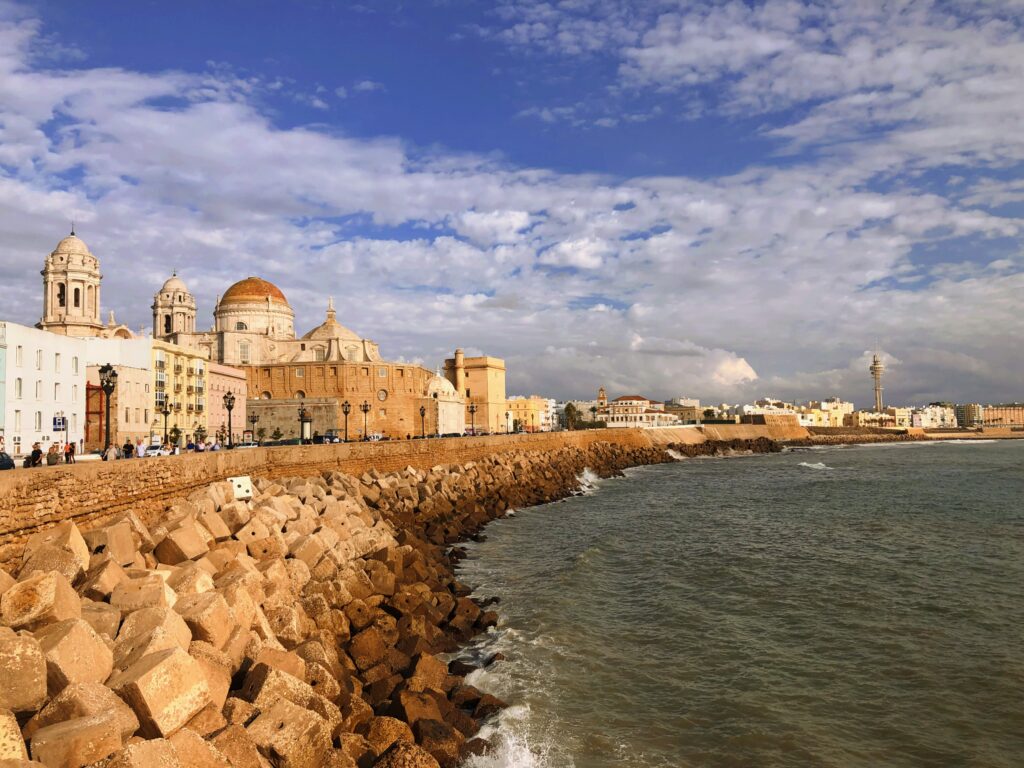
Spain boasts some of Europe's most ancient settlements, with villages and towns tracing their origins back millennia. Wandering through their narrow streets, visitors encounter a captivating blend of Phoenician foundations, Roman ruins, medieval towers, and vibrant Andalucian culture. (Photo credit: Molly Grace)
Spain's Oldest City: 3,000 Years & What Secrets St...
From prehistoric cave communities in the north to early Iberian and Phoenician trading posts along the coast, Spain is dotted with places that have witnessed countless generations. Many of these villages preserve their ancient layouts, traditional architecture, and enduring local customs, offering a tangible connection to the distant past. It’s a fascinating journey back in time, one I never tire of experiencing.
While numerous villages lay claim to ancient roots, few have maintained continuous habitation over millennia. Archaeologists and historians often distinguish between settlements that were abandoned and rebuilt, and those that have been inhabited without interruption – a rare feat in Europe. It's the difference between a history lesson and a living, breathing organism.
Among this select group, one city stands out as the oldest continuously inhabited in Spain: Cádiz. Located in the region of Andalucía, Cádiz traces its origins to Phoenician settlers around 1100 BC, who founded the city as Gadir, a small trading post on the Atlantic coast. I remember the first time I visited, I was struck by the palpable sense of history in the air, a feeling that lingered long after I left.
Its strategic location allowed early inhabitants to engage in trade across the Mediterranean, granting it economic and cultural significance from the outset. Over the centuries, Cádiz has witnessed Roman, Islamic, and Christian rule, each leaving its indelible mark on the city’s architecture and urban layout. Think Roman amphitheatres nestled beside Moorish walls, then topped with a Catholic cathedral. It's a beautiful, albeit sometimes chaotic, layering of civilizations.
Despite waves of conquest and change, the city has remained continuously inhabited, solidifying its status as Spain’s oldest living city. Cádiz’s streets still resonate with its layered history, from Roman ruins to medieval churches and Baroque plazas. It’s a place where you can grab a coffee in a square that’s probably seen more historical figures than you can imagine. Amazing, really.
Archaeologists have unearthed remnants of Phoenician temples, Roman amphitheatres, and Islamic fortifications beneath the city, demonstrating its long-standing strategic and cultural importance. These discoveries highlight how Cádiz not only survived centuries of political upheaval but also adapted to changing empires and trade networks.
Cádiz's continuity provides both a historical record and a dynamic cultural experience. Its ancient streets are not merely monuments to the past but vibrant spaces where modern life thrives alongside millennia-old foundations. Walking through the old city is like stepping back in time, but with the added bonus of tapas bars and lively conversations.
Beyond Cádiz, Spain is scattered with ancient villages and towns that, while smaller or less documented, also offer glimpses into the Iberian Peninsula’s rich human history. From walled medieval towns in Castilla y León to Roman-influenced settlements in Extremadura, these places serve as reminders that Spain’s cultural fabric has been woven over thousands of years, layer by layer.
Comments
Please sign in with Google to post a comment
No comments yet. Be the first to comment!