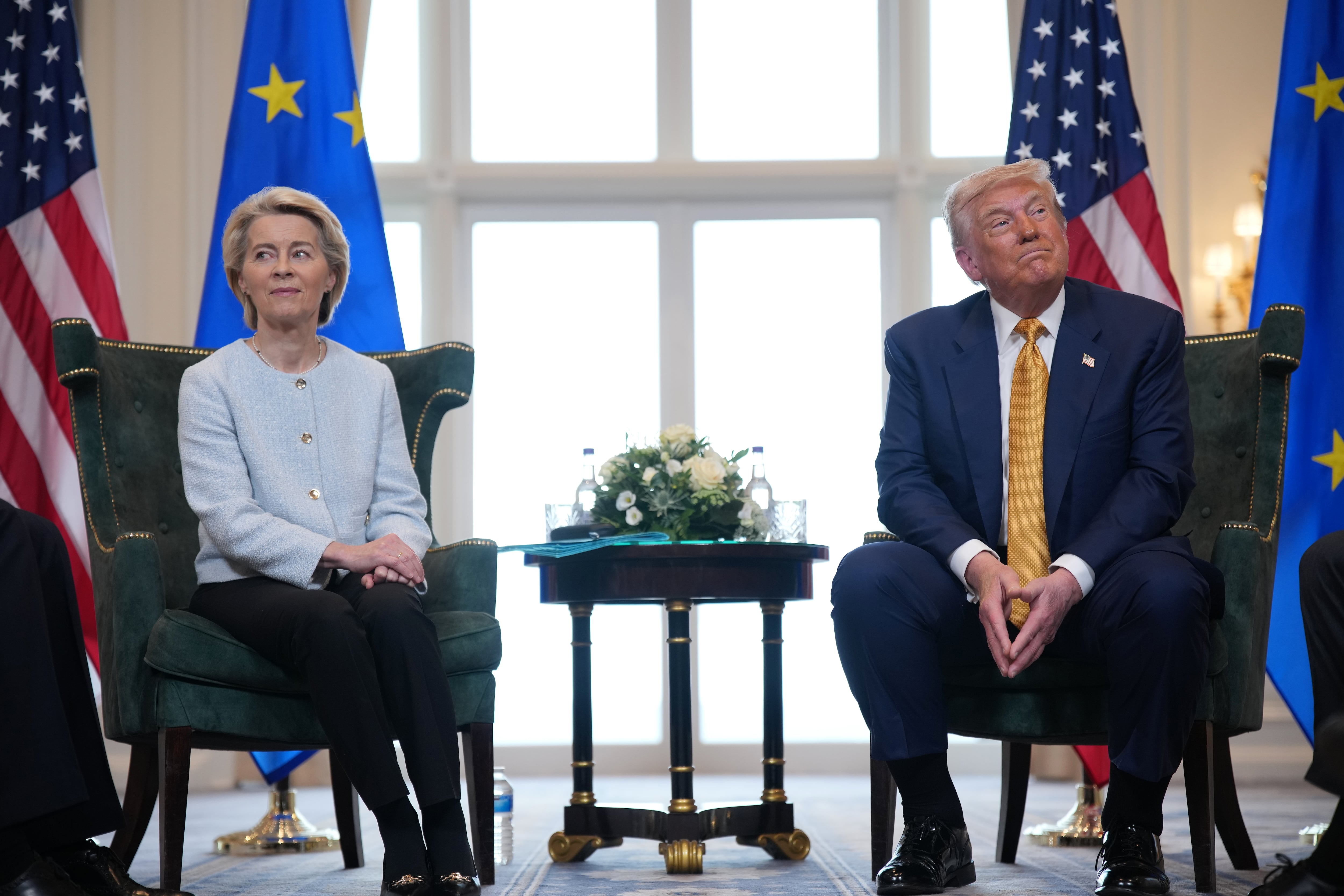
Europe is on high alert. Increasingly overt signals suggest the United States, under its current leadership, is not only unwilling to shoulder the burden of guaranteeing the continent's security, but is also displaying outright antagonism. This extends beyond mere economic and technological rivalry, striking at the heart of strategic and security concerns. Let's be clear: this isn't just about trade disputes anymore.
Trump's Europe Strategy: Is This the End of the Al...
Earlier this month, Washington released its new National Security Strategy. This document launched a direct broadside against the EU, branding it an entity that "undermines political liberty" and promotes the "censorship of free speech and suppression of political opposition." The strategy vows to "cultivate resistance to Europe's current trajectory within European nations." This is being interpreted as a thinly veiled campaign to bolster European nationalist factions eager to dismantle the community integration project – and, crucially, to harass those who champion it. It's a bold move, and a dangerous one, especially given the existing political fault lines within the EU.
Adding fuel to the fire, Washington imposed sanctions in late December on former European Commissioner Thierry Breton – previously in charge of technology regulations concerning online content moderation and hate speech – and on leaders of organizations combating illegal and extremist content. Many see this as another pressure tactic by Washington. The goal? To force Brussels to weaken its regulations for American companies, particularly those tech giants now so closely aligned with the current U.S. administration. It's a power play, plain and simple.
While the U.S. initiative is, technically, not binding on sitting political leaders, the sentiment is clear. One senior EU source described it as "extremely serious." Speaking on condition of anonymity, due to the sensitivity of the matter, the source stated, "It is further proof that Washington sees Europe as a colony, wants to maintain its subservience, and will do everything possible to impose its rules here." That's a pretty damning statement, and indicative of the deep distrust now simmering beneath the surface of transatlantic relations.
These incidents, taken together, exemplify a level of U.S. hostility toward Western Europe unseen since the end of World War II. Remember the rumblings about withdrawing the security umbrella that covers NATO allies? An organization to which the U.S. contributes significant capabilities, irreplaceable leadership, and crucial nuclear deterrence? It’s all part of the same worrying trend. Then there’s the ongoing trade war; a constant irritant. As Nathalie Tocci, director of the Istituto Affari Internazionali, bluntly put it, "As far as Europe is concerned, Trump and his administration have shown great consistency and predictability: they want to destroy US. Today, the United States considers liberal democracy and European integration to be adversaries." Strong words, but not easily dismissed in the current climate.
In light of these developments, even the most pro-NATO European nations are reassessing their strategies, recognizing the significant risk of relying solely on U.S. support. Just last month, Denmark’s military intelligence services, for the first time, defined the U.S. as a potential threat. The implications are profound. Europe is facing a new reality, and it's one where it needs to seriously consider its own independent security and strategic future. The era of unquestioning reliance on the U.S. may well be over.
Comments
Please sign in with Google to post a comment
No comments yet. Be the first to comment!