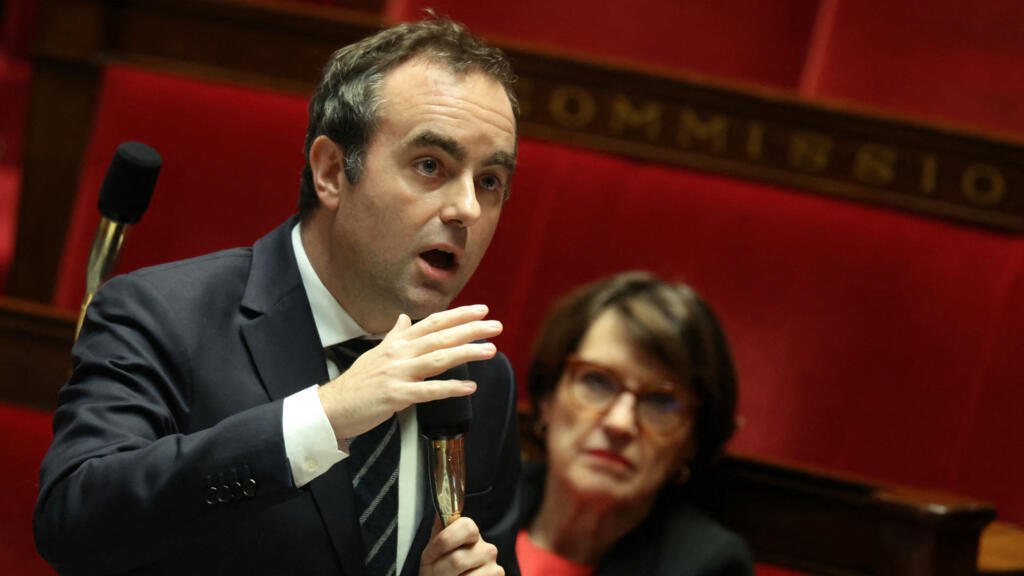
The French government weathered a political storm Wednesday, narrowly surviving two no-confidence votes triggered by the contentious EU-Mercosur trade agreement. The votes, initiated by both the hard-left and far-right factions within the French parliament, accused the government of insufficient action in opposing the deal, which was approved by the EU last week. It’s a tense moment for Prime Minister [insert hypothetical PM name here], and the close calls underscore just how deeply divided France is on this issue.
France's Government on the Brink! What Happens Nex...
At the heart of the matter lies the anger of French farmers. They fear the Mercosur deal, which aims to boost trade between the European Union and the Mercosur bloc (Argentina, Brazil, Paraguay, and Uruguay), will flood the market with cheaper agricultural products from South America. This, they argue, creates an unfair playing field that threatens the livelihoods of local farmers who can't compete with lower production costs overseas. I've spoken to farmers in Brittany who are genuinely worried about their future; they see this as another nail in the coffin for French agriculture.
The opposition parties certainly capitalized on this anxiety. Both the hard-left, traditionally concerned about social and economic justice, and the far-right, often championing national interests and protectionism, found common ground in their opposition to the deal. Their arguments centered on the potential damage to French agriculture, environmental concerns linked to South American farming practices (deforestation is a major worry here), and the overall impact on French sovereignty. It's a rare moment of unity, but fueled by powerful concerns.
While the government managed to hold onto power, the close votes serve as a stark warning. The discontent surrounding the Mercosur deal isn't going away anytime soon. Expect more protests from farmers, continued political pressure from opposition parties, and a potentially very rocky road ahead for the government as it navigates this complex situation. The debates are far from over, and the long-term impact of this deal on France's agricultural landscape remains to be seen. Honestly, this feels like the beginning of a much bigger fight, and I wouldn't be surprised to see this issue resurface in future elections.
The government is likely to try and reassure farmers with promises of support and safeguards, but whether that will be enough to quell the rising tide of anger is anyone's guess. The pressure is on to find a solution that protects French interests without jeopardizing international trade relations. It's a tricky balancing act, to say the least.
Comments
Please sign in with Google to post a comment
No comments yet. Be the first to comment!