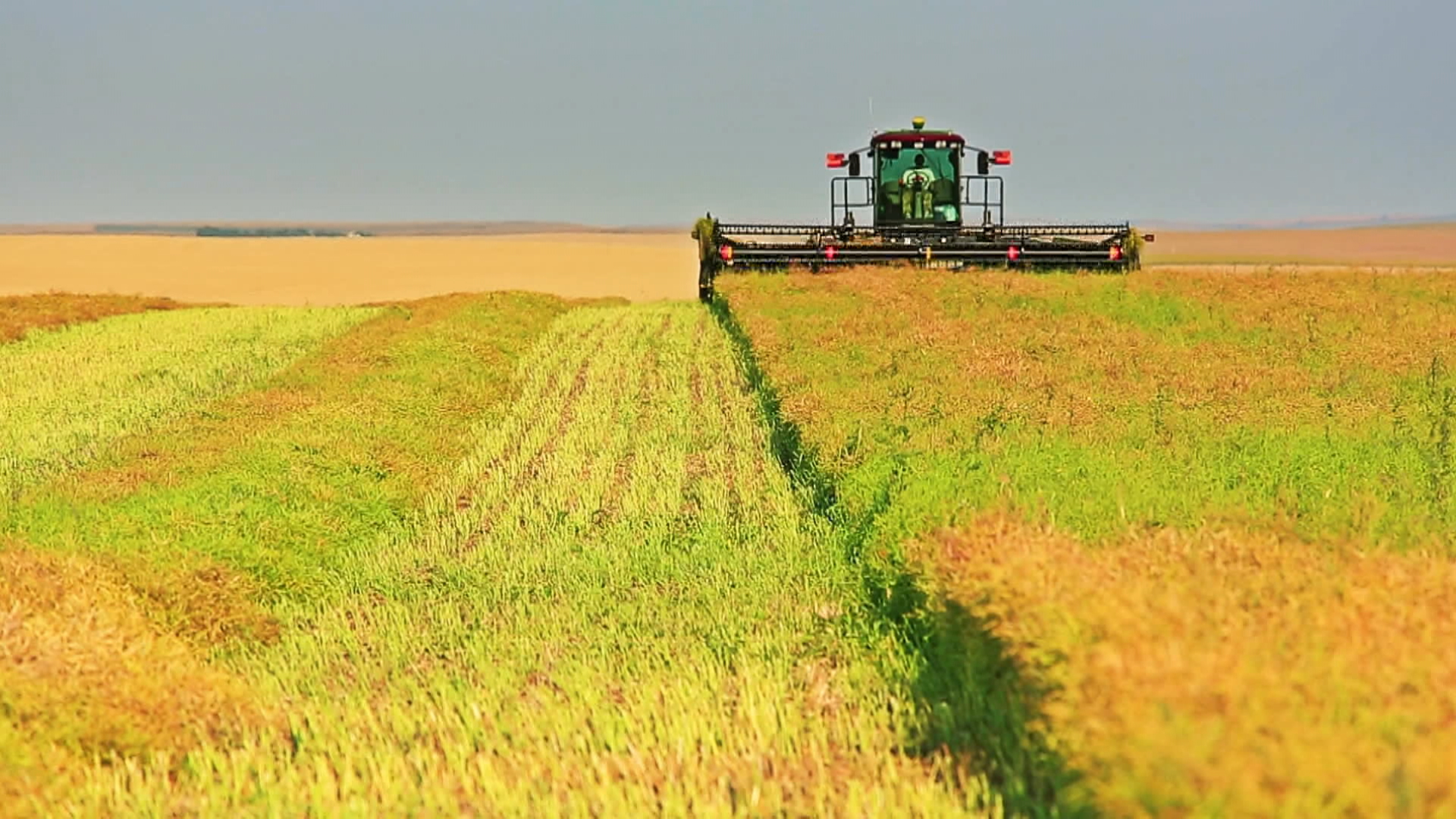
Canadian Canola farmers are breathing a collective sigh of relief, albeit a cautious one, following news of a trade agreement with China that will ease tariffs on some Canadian canola products. The deal, which has been described as "an important milestone," offers a glimmer of hope after a period of significant trade tensions between the two nations.
Canola Crisis Averted?! Canadian Farmers Breathe S...
However, not everyone is throwing a full-blown celebration just yet. “It’s a huge step forward, but a little disappointing at the same time,” admitted Stephen Vandervalk, a Canola grower from Alberta and Vice-President of the Wheat Growers Association. His sentiment seems to capture the general mood: optimistic, but with a healthy dose of pragmatism.
To recap, the trade friction began last year when Canada slapped a 100% tariff on Chinese electric vehicles, citing concerns about market dumping. China, in turn, retaliated in 2025 with tariffs of its own, hitting Canadian canola, pork, and seafood pretty hard – some tariffs reaching a hefty 100%. It’s a classic tit-for-tat scenario that unfortunately hit Canadian farmers square in the pocketbook.
Now, Ottawa anticipates further reductions or even the complete removal of tariffs on other key exports like canola meal, lobsters, crabs, and peas, starting March 1st and lasting, at least for now, until the end of the year. That’s definitely welcome news, but it's the "at least for now" part that keeps everyone grounded.
Vandervalk also raised a valid concern about potential repercussions with the United States, Canada's biggest trading partner. "They're our biggest trading partner for sure...So if we somehow get a little bit of access to China at the expense of having potentially no access to our largest trading partner, we have huge concerns with that," he explained. Navigating these international trade relationships is a delicate balancing act, to say the least.
The Canola Council of Canada and the Canadian Canola Growers Association released a joint statement echoing the "important milestone" sentiment. "The Canadian canola industry has been clear since the outset that these tariffs are a political issue requiring a political solution," the statement read. "We are pleased to see significant progress in restoring market access for seed and meal and will continue to build on this development by working to achieve permanent and complete tariff relief, including for canola oil, moving forward." It’s a clear sign that the work isn't over, but it's a positive step in the right direction.
Andre Harpe, Chair of the Alberta Canola Producers, perhaps summed up the feelings of many farmers best. He described the tentative agreement as "great news," adding that he even woke up at 3 AM to check the market's reaction. "I did happen to glance at the prices then and they were up quite a bit. So it was a good response to see from the market," he said. "I’m really, really hoping things settle down a little bit, but it’s been a roller-coaster ride. It’s been absolutely terrible. The uncertainty, you know." Absolutely. The uncertainty in trade is always the hardest thing. Saskatchewan Premier Scott Moe, who accompanied the Prime Minister on his trip to China, called the agreement "a good day for Canadians." He emphasized the potential for billions of dollars in agricultural products to flow again, highlighting the significance of restoring trade with Canada’s second-largest trading partner.
Comments
Please sign in with Google to post a comment
No comments yet. Be the first to comment!