A dark cloud hangs over Spain's rail network this Monday morning following a horrific high-speed Train collision near Córdoba. The crash, which occurred Sunday night, has so far claimed the lives of 39 people, and tragically, 123 are reported injured. The immediate impact is, of course, the devastating loss of life and the trauma inflicted upon so many. But the ripple effects are now being felt across the country's entire travel system.
Andalusia Rail Crash: Is Spain's Travel Network Fa...
As you might expect, the disruption to rail services is significant. RENFE, Spain's national rail operator, is scrambling to manage the fallout. Already, approximately 200 trains have been cancelled today. That's a huge number, and it's impacting commuters, business travelers, and tourists alike. Imagine being stranded, unexpectedly, with no clear alternative route. It’s a logistical nightmare for everyone involved.
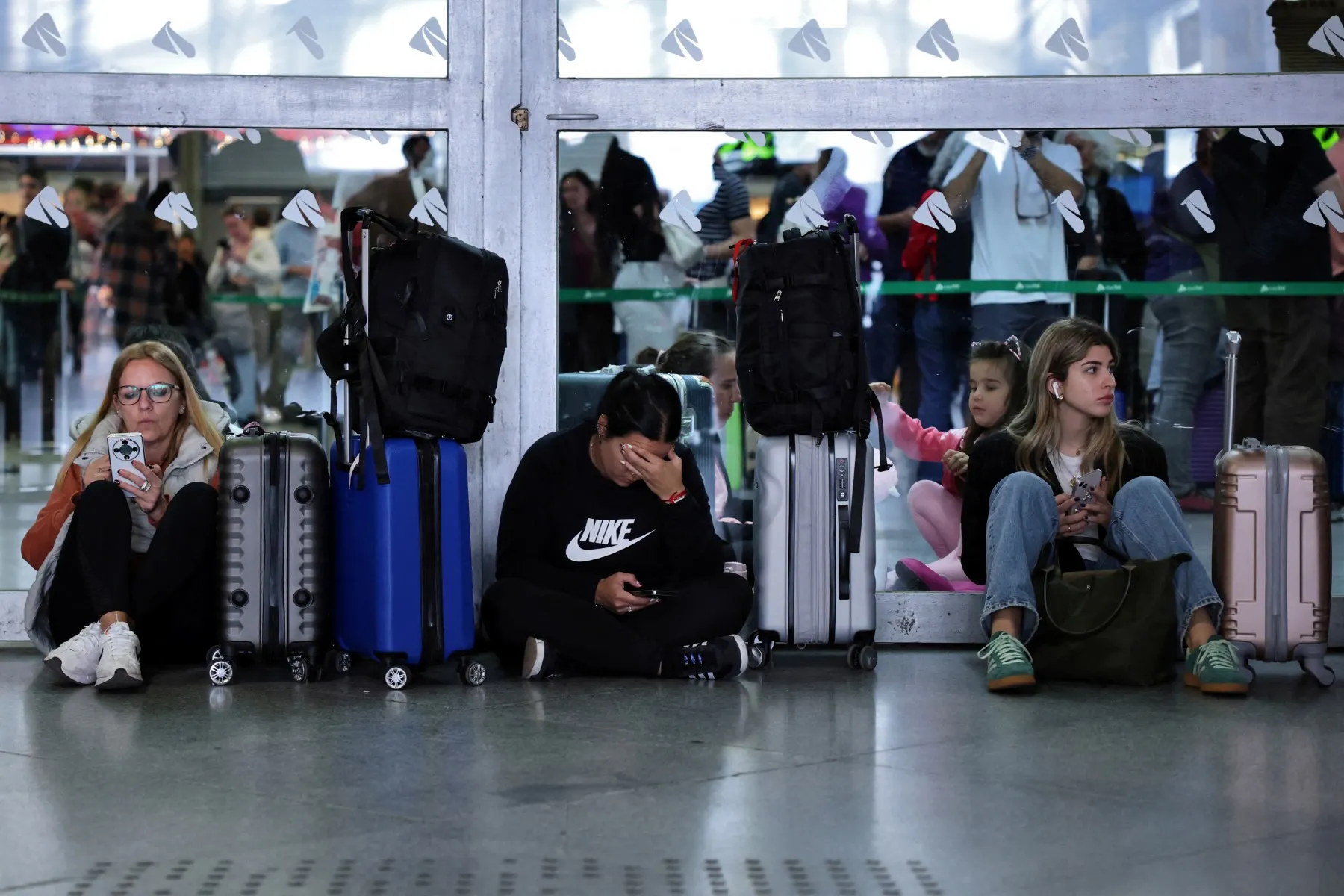
The cancelled routes are primarily those that pass through or originate near the Córdoba region. We’re seeing reports of delays and packed platforms at major stations like Madrid-Puerta de Atocha and Barcelona Sants. Passengers are understandably frustrated, and RENFE is doing its best to provide alternative transportation, mainly through bus services. However, replacing high-speed rail with buses inevitably means longer journey times and increased congestion on the roads.
Beyond the immediate cancellations, there's a broader concern about the long-term impact on traveler confidence. High-speed rail is usually seen as a safe and efficient mode of transport. An accident of this magnitude naturally raises questions about safety protocols and infrastructure maintenance. I know, personally, I'd be thinking twice before booking another high-speed trip in the immediate future, and I suspect I'm not alone. Authorities have launched a full investigation, and the findings will be crucial in restoring public trust.
The economic consequences are also starting to emerge. Spain relies heavily on tourism, and efficient transportation is vital to that industry. If people become hesitant to travel by Train, it could have a knock-on effect on hotels, restaurants, and other businesses that depend on tourist revenue. It's a complex situation with far-reaching consequences, and while the immediate focus is on supporting the victims and their families, the rebuilding of confidence in the rail system will be a critical task in the weeks and months to come. The whole nation is, understandably, in mourning.
Comments
Please sign in with Google to post a comment
No comments yet. Be the first to comment!