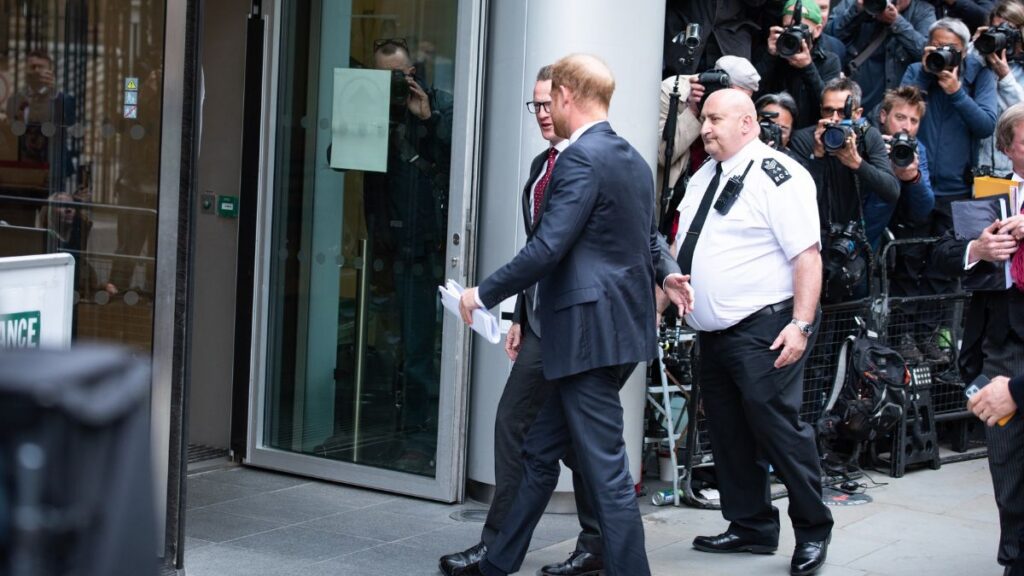
Prince Harry has touched down in London, and it's not for tea with the King. This time, the Duke of Sussex is here for serious business: a landmark privacy trial against Associated Newspapers Limited (ANL), the behemoth publisher behind the Daily Mail, Mail on Sunday, and MailOnline. The trial kicked off this Monday, January 19, 2026, and is slated to run for a whopping nine weeks.
Prince Harry SHOCKS London! What Will His Testimon...
It's not just Harry taking on the tabloids, either. He's joined by a high-powered group of co-claimants, an A-list lineup that includes Sir Elton John, David Furnish, Elizabeth Hurley, Sadie Frost, Baroness Doreen Lawrence, and former Liberal Democrat MP Sir Simon Hughes. This isn’t just a celebrity spat; it's a concerted effort to hold a major media organisation accountable. The group alleges ANL engaged in years of unlawful information-gathering practices. We're talking decades, apparently.
So what exactly are these "unlawful" practices? The accusations are pretty damning. We're talking about "blagging" - essentially impersonating people to get access to private records. The claimants also allege that ANL obtained sensitive medical, financial, and even bank records through illicit means. If true, this would be a major breach of privacy and a serious indictment of the Daily Mail's journalistic ethics.
Of course, ANL isn't taking these accusations lying down. They've vehemently denied all wrongdoing, branding the claims as "preposterous smears." They are standing by their journalists and editors, insisting that none of the stories in question relied on illegally obtained information. They plan to vigorously contest the evidence presented by Harry and his fellow claimants. It’s shaping up to be a real legal showdown.
One potentially complicating factor is the reliability of evidence from private investigators. One name that keeps popping up is Gavin Burrows. He was previously linked to the allegations, but now claims that a witness statement attributed to him is a forgery. He denies ever signing or writing it. That's a pretty significant development, and could definitely throw a wrench in the claimants' case. Credibility is everything in a trial like this, and any questions about the authenticity of evidence are bound to be exploited by the defence.
The outcome of this trial could have far-reaching consequences. It could reshape media accountability and press practices here in the UK. Potentially leading to stricter regulations on how news organisations handle personal information. More importantly, it could significantly affect public trust in tabloid journalism. As proceedings unfold in the High Court, legal experts are watching closely. The big question is, can the claimants definitively prove that journalism crossed the line in the relentless pursuit of sensational stories? This is one to watch, folks.
Comments
Please sign in with Google to post a comment
No comments yet. Be the first to comment!