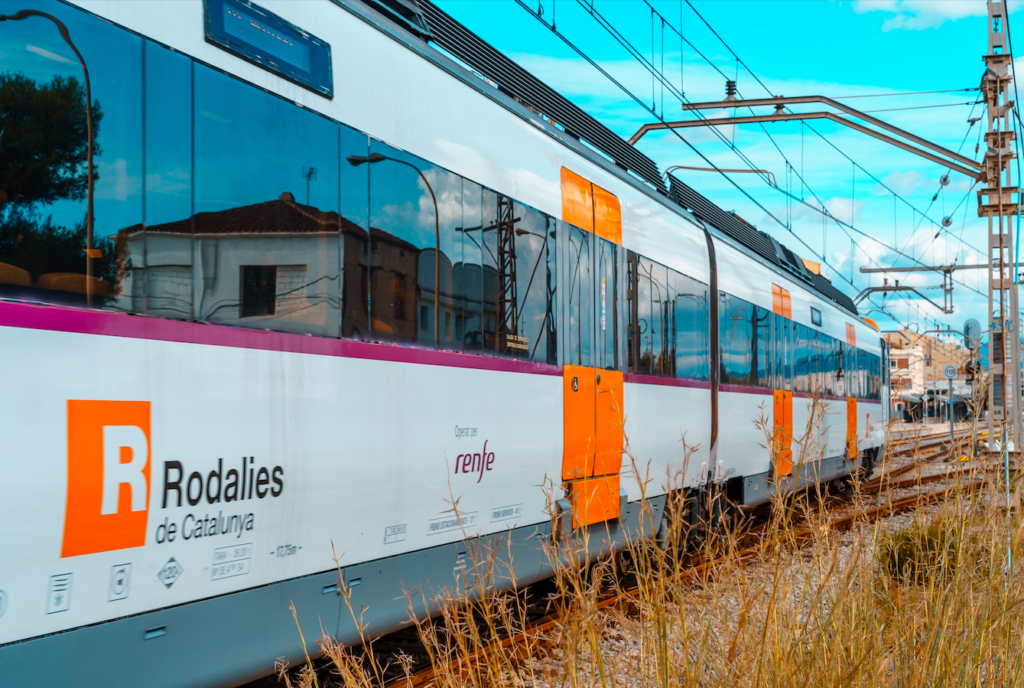
A tragic derailment on the Rodalies R4 commuter line near Gelida, Barcelona, has left one person dead – the Train's driver – and at least 15 others injured, four of them seriously. The incident, which occurred this evening, has thrown the region's rail network into chaos and sparked a major emergency response.
Barcelona Train Horror: Driver Dead, 15 Hurt! What...
The catastrophe unfolded when a section of a containment wall crumbled onto the tracks between Sant Sadurní d’Anoia and Gelida. The Train, caught completely unawares, struck the debris mid-journey, causing the derailment. The scene is pretty grim, I can tell you. Reports from the ground describe carriages partially off the tracks, with some passengers initially trapped inside.
Emergency services, including ambulances, medical teams, and firefighters, swarmed the site within minutes. Their immediate priority: treating the injured and securing what is a very unstable area. It's heartening, amidst the chaos, to see these professionals working tirelessly. Some passengers managed to escape through windows, a testament to their resilience in the face of terror. Emergency crews, meanwhile, are using specialized equipment to free those still trapped.
Protecció Civil of the Generalitat de Catalunya has activated the Ferrocat emergency plan, a coordinated effort bringing together medical, fire, and rail personnel. This is all about speed and efficiency, trying to get people the help they need as quickly as possible.
Understandably, all services on the affected section of the R4 line are suspended indefinitely. Trains are being diverted or completely halted as crews work to clear the debris and assess the stability of the track. Rail travel is never risk-free, but this has really shaken the community.
Early assessments are pointing towards heavy rainfall as the culprit. The theory is that the rain weakened the containment wall, leading to its collapse onto the tracks. Of course, rail engineers are also scrutinizing the possibility of pre-existing soil erosion or structural weaknesses. The investigation is ongoing; there are no definitive answers yet.
It's worth noting that Catalonia has been battling severe weather recently, with other rail services disrupted by debris and fallen rocks. Emergency crews are keeping a close eye on vulnerable track sections, trying to prevent further incidents. It's like they are trying to catch a break. Full inspections are expected to take several days before normal rail service can safely resume.
For commuters, this translates to significant delays and widespread disruption. Replacement bus services are being arranged where possible, but the sheer volume of people affected means long waits are inevitable. Stations near the crash site have been transformed into temporary shelters, providing food, water, and first aid. My thoughts are with the families anxiously waiting for news. Authorities are rightly stressing that rescue and medical attention remain the top priorities. They are trying to keep the families updated, issuing public announcements through official channels. Hospitals are coordinating resources to treat victims efficiently, and additional medical units are on standby, just in case.
Comments
Please sign in with Google to post a comment
No comments yet. Be the first to comment!