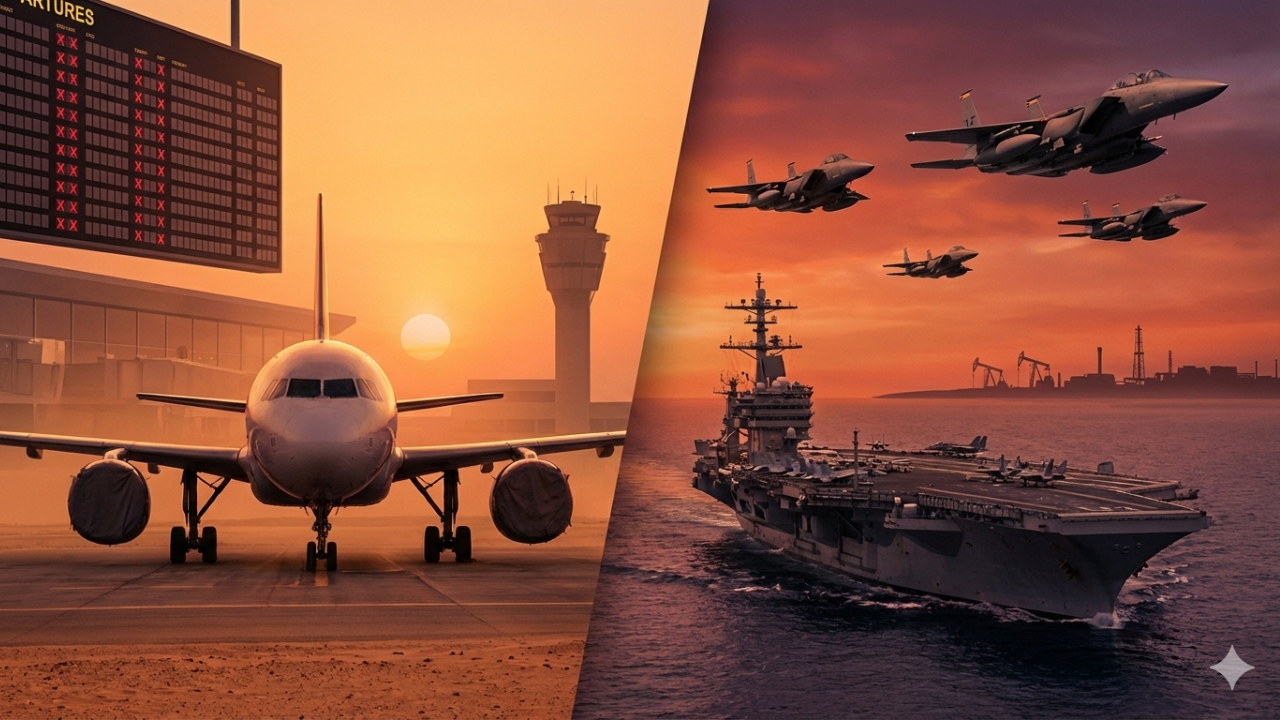
Middle East on edge: Lufthansa, Air France & others cancel flights amid rising tensions.
Middle East Crisis: Lufthansa Cancels Flights! Wha...
The Middle East is a tinderbox right now, and the airline industry is feeling the heat. Major carriers, including Air France and Lufthansa, are pulling flights from the region, citing escalating security concerns as tensions between the U.S. and Iran continue to simmer. Think canceled vacations, disrupted business trips, and a general sense of unease hanging in the air – literally.
According to aviation news network Air Live, Air France, KLM, Lufthansa, and a host of other airlines made the call late Friday to cancel flights to Israel and critical Gulf destinations. These suspensions, many stretching through the weekend, have left thousands of passengers stranded and thrown a wrench into regional air travel. It’s a logistical nightmare, to say the least.
KLM and Air France have reportedly grounded flights to Tel Aviv and vital hubs in the UAE, Saudi Arabia, and Qatar. KLM issued a statement confirming the cancellation of all overnight flights to Israel and the Gulf through Sunday, adding that they remain in "close contact with the government" as they assess the constantly shifting safety conditions. You can almost feel the tension radiating from their carefully worded statement.
The Lufthansa Group isn't taking any chances either. They've restricted flights to Israel to daytime operations and are proactively avoiding Iranian and Iraqi airspace altogether. North American carriers United Airlines and Air Canada also jumped on board, cancelling scheduled services to Tel Aviv for Friday and Saturday. Better safe than sorry, I guess.
The Times of Israel reports that Air France and KLM have extended their Flight cancellations to Israel, Dubai, and Saudi Arabia until at least Sunday, citing "security tensions in the region." Lufthansa had already taken the precaution of suspending nighttime flights to Israel until the end of January. This isn't just a weekend hiccup; it's a sign of a deeper, more persistent problem.
It's worth remembering that just last week, Iran briefly shut down its airspace for nearly five hours due to concerns about potential U.S. military action. This forced airlines to cancel, reroute, or delay flights. We're talking about a domino effect here. IndiGo and Air India reported impacts on their international services, while Lufthansa and ITA Airways confirmed they would bypass Iranian and Iraqi airspace and suspend night flights to Tel Aviv. Aviation risk groups have been sounding the alarm, warning that missile and drone activity in the region poses a serious threat to civil aviation. And they're not wrong.
All this comes against the backdrop of a growing U.S. military presence in the Middle East. The Pentagon is beefing up its assets in the region, deploying an aircraft carrier group and thousands of additional troops, according to the Associated Press. This isn't just a show of force; it's a clear signal that the situation is being taken very seriously.
President Trump added fuel to the fire, stating that an American "armada" is heading towards Iran, reiterating warnings regarding Tehran's handling of protests and its nuclear program. "We have a massive fleet heading in that direction, and maybe we won’t have to use it," Trump told reporters, characterizing the deployment as a precautionary measure. Precautionary or not, it's definitely adding to the overall sense of anxiety.
Comments
Please sign in with Google to post a comment
No comments yet. Be the first to comment!