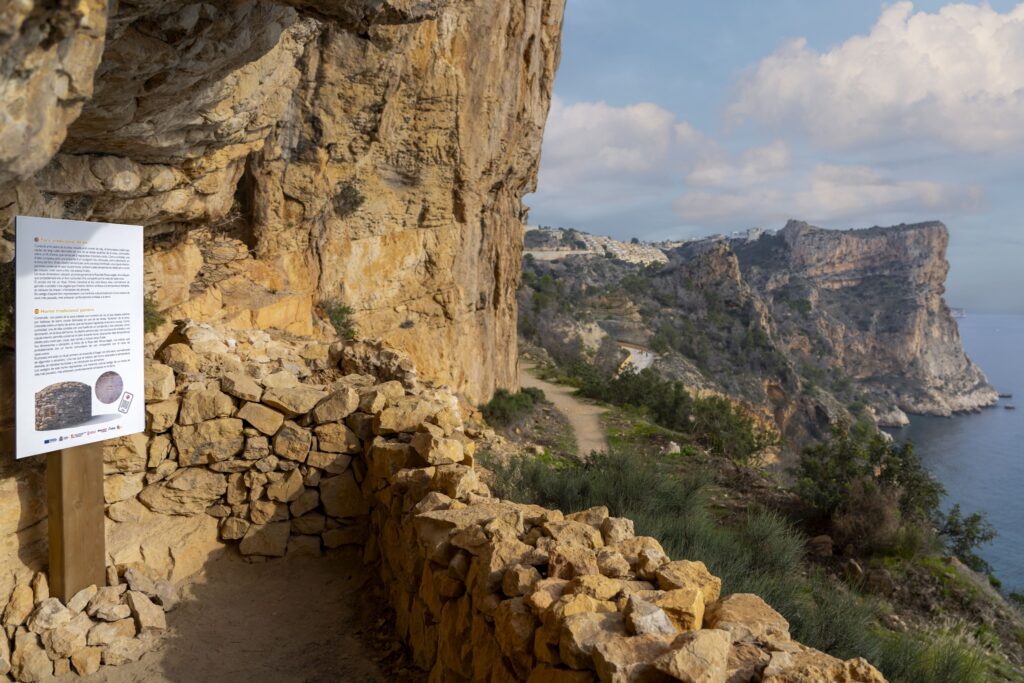
Benitachell, Spain – The rugged coastline of Benitachell, long whispered about in local lore, has officially opened a new chapter in its history. Cova de les Morretes, a seaside Cave that once sheltered smugglers and fishermen, has been transformed into an engaging open-air museum. I have to say, it's a brilliant way to preserve history and draw in tourists!
Smugglers' Secrets Unearthed! Benitachell's Hidden...
Following extensive restoration efforts culminating in the installation of interpretive panels, the Cave now offers a tangible link to the past. For those unfamiliar, the Cova de les Morretes isn't just a hole in a rock; it's a space steeped in history, a place where secrets were kept and livelihoods were forged.
Just last year, a beautifully restored exterior oven added another layer of depth to the site, providing a glimpse into the daily lives of those who sought refuge within the cave's embrace. Imagine the stories that oven could tell!
The interpretive panels, funded with €18,000 from the Sustainable Tourism Plan, are the crowning touch. They bring the past to life with detailed explanations of the cave's historical uses. From the stable and oven to the traditional cliffside fishing practices known as ‘Pesqueres de Cingle’, visitors can now understand the significance of this unique location.
Creating these panels was no small feat. Original, realistic illustrations were meticulously crafted based on thorough research, ensuring that the information is engaging and accessible to everyone. It's a refreshing change from some of the dry, textbook-style displays you often see in museums.
And the best part? The information isn't just limited to Spanish and Valencian. While those are the primary languages, English content is readily available through a digital application. Plus, an inclusive panel featuring easy-to-read language, pictograms, Braille, and a tactile relief map ensures that everyone can enjoy the experience. This is accessibility done right, and other museums should take note.
The information presented draws from a variety of sources – specialist publications, audiovisual documentaries, and even personal anecdotes from local residents and municipal staff. It's this blend of academic rigor and local knowledge that makes the museum so compelling.
Located along the popular Benitachell Cliffs Route, the Cova de les Morretes was more than just a shelter. With its masonry walls offering protection from the elements, it served as a haven for fishermen, farmers, and, yes, even smugglers, waiting for the arrival of ships. High taxes and economic hardship fueled this clandestine activity, with goods like tobacco, alcohol, and textiles frequently traded under the cover of darkness.
These smugglers, with their intimate knowledge of the coastline and hidden coves like Cala Llebeig, relied on local support and even, on occasion, bribed officials. After all, many considered smuggling not as a crime, but as a means of survival. The Cova de les Morretes, now a museum, stands as a testament to that enduring history.
Comments
Please sign in with Google to post a comment
No comments yet. Be the first to comment!