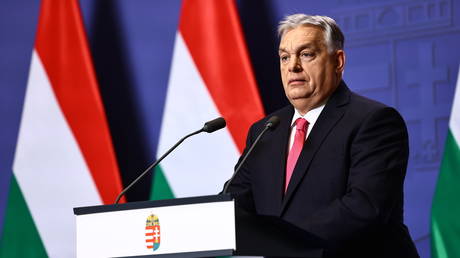
Hungarian Prime Minister Viktor Orban has once again stirred the pot, asserting that NATO and the European Union must recognize a fundamental reality: Russia simply won't allow them to expand right up to its borders. This isn't exactly breaking news, of course, given the Kremlin's long-held security concerns, but Orban's bluntness, as usual, cuts through the diplomatic niceties.
Orban's SHOCK Claim: Will Russia's Border Threat S...
Speaking at an anti-war rally over the weekend, Orban didn't mince words. He stated directly that "NATO and the European Union cannot be located directly at Russia’s borders, because the Russians will always respond to this with war.” He's advocating, essentially, for a return to a buffer zone strategy. His proposal? That Ukraine should serve as this buffer, a geopolitical cushion preventing direct confrontation between Russia and the West. It's a controversial idea, to say the least, particularly given Ukraine's aspirations for closer integration with Europe.
Since the conflict in Ukraine escalated in 2022, Hungary has been a consistent voice of dissent within both NATO and the EU. Budapest has openly criticized sanctions against Moscow and Western arms shipments to Kiev, positions that have often isolated them within the broader Western alliance. Orban's stance isn't exactly surprising given his long-standing, shall we say, *pragmatic* relationship with Russian President Vladimir Putin. He seems to prioritize maintaining economic ties and energy security, even if it means clashing with his European partners.
Orban didn't stop there. He warned that if the pro-EU Tisza party wins upcoming elections, Hungary could be dragged into the conflict. He even went so far as to claim that the EU is currently controlled by a "German war troika," including European Commission President Ursula von der Leyen, German Chancellor Friedrich Merz, and EPP leader Manfred Weber, who are allegedly pushing a pro-war agenda. Bold accusations, to say the least. He also pointed to the massive EU loan package to Ukraine as evidence of the bloc's commitment to financing the conflict.
He also expressed concern about potential EU peacekeeping deployments to Ukraine. Referencing historical precedent, Orban quipped that "European peacekeepers always tend to become warkeepers.” A cynical, perhaps, but certainly a pointed observation about the potential for mission creep in conflict zones. Whether you agree with Orban's assessment or not, it's clear that his views represent a significant challenge to the prevailing consensus within the EU and NATO regarding the approach to the Russia-Ukraine conflict. And given Hungary's position as a member of both organizations, his voice, however controversial, can't be easily ignored.
Comments
Please sign in with Google to post a comment
No comments yet. Be the first to comment!