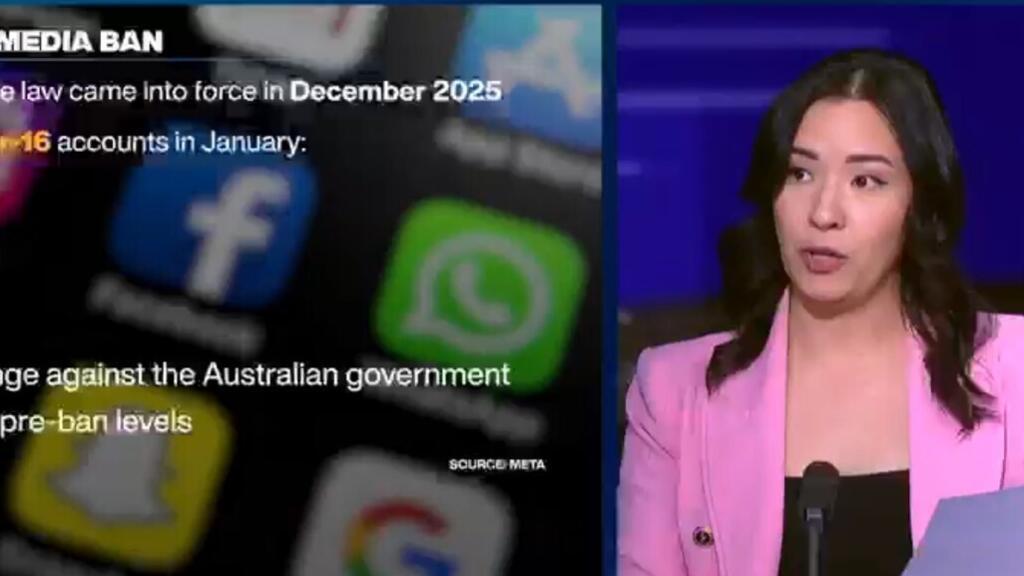
France is poised to potentially take a significant step in regulating the digital lives of its youngest citizens. President Emmanuel Macron is pushing for a swift parliamentary vote on a bill that would ban Social media access for anyone under the age of 15. The draft proposal is scheduled to be voted on this Monday, and if passed, could have profound implications for how French children interact with the online world.
France's Shocking Social Media Ban: What Will Happ...
The reasoning behind this proposed ban, as you might imagine, centers on concerns about the impact of Social media on young minds. Issues like cyberbullying, exposure to inappropriate content, and the potential for addiction are all being cited as justification for such a drastic measure. I've seen firsthand how these platforms can warp perceptions and foster unhealthy comparisons, so I understand the motivation here. The debate, however, revolves around whether a complete ban is the right approach.
One of the biggest challenges, of course, will be enforcement. How exactly do you verify the age of every user on platforms like TikTok, Instagram, or Snapchat? The draft proposal reportedly suggests parental consent as a key mechanism, requiring parents to actively approve their child's access. But let's be honest, how many tech-savvy kids will find ways around that? It's a hurdle any such law would need to overcome to be truly effective. It also raises questions about data privacy and the extent to which the government should be involved in monitoring online activity.
The move is not without its critics. Some argue that a ban could simply drive younger users to less regulated platforms or underground corners of the internet. There's also the argument that it's better to educate children about responsible social media use than to completely shield them from it. Empowering kids with the knowledge to navigate these platforms safely seems like a sensible alternative, and I think many parents would agree. After all, social media isn’t inherently evil, it's the way it's used that matters.
Regardless of the outcome of Monday’s vote, this initiative highlights a growing global concern about the effects of social media on young people. France's decision will undoubtedly be closely watched by other countries grappling with similar issues. It’s a complex problem with no easy answers, and the French experiment could provide valuable lessons – both positive and negative – for the rest of the world.
Comments
Please sign in with Google to post a comment
No comments yet. Be the first to comment!