NASA is taking to the skies this winter in a bid to drastically improve severe winter weather warnings. Forget Groundhog Day – this is about real prediction, backed by serious science.
NASA's Winter Storm Mission: Will It Save Lives Th...
The ambitious project, dubbed NURTURE (North American Upstream Feature-Resolving and Tropopause Uncertainty Reconnaissance Experiment – try saying that five times fast!), is an airborne campaign deploying some seriously sophisticated remote sensing instruments. The mission? To gather detailed atmospheric data on winter weather patterns, ultimately refining the models that underpin our storm forecasts. It's not just about knowing a storm is coming; it's about knowing *how* bad it's going to be.
And this isn't just a one-off. The instrument suite being used is also designed as a testbed, paving the way for similar observations from space-based platforms in the future. Imagine the possibilities! Think about having a constant, detailed eye on the atmosphere, giving us even more advance warning and more accurate predictions.
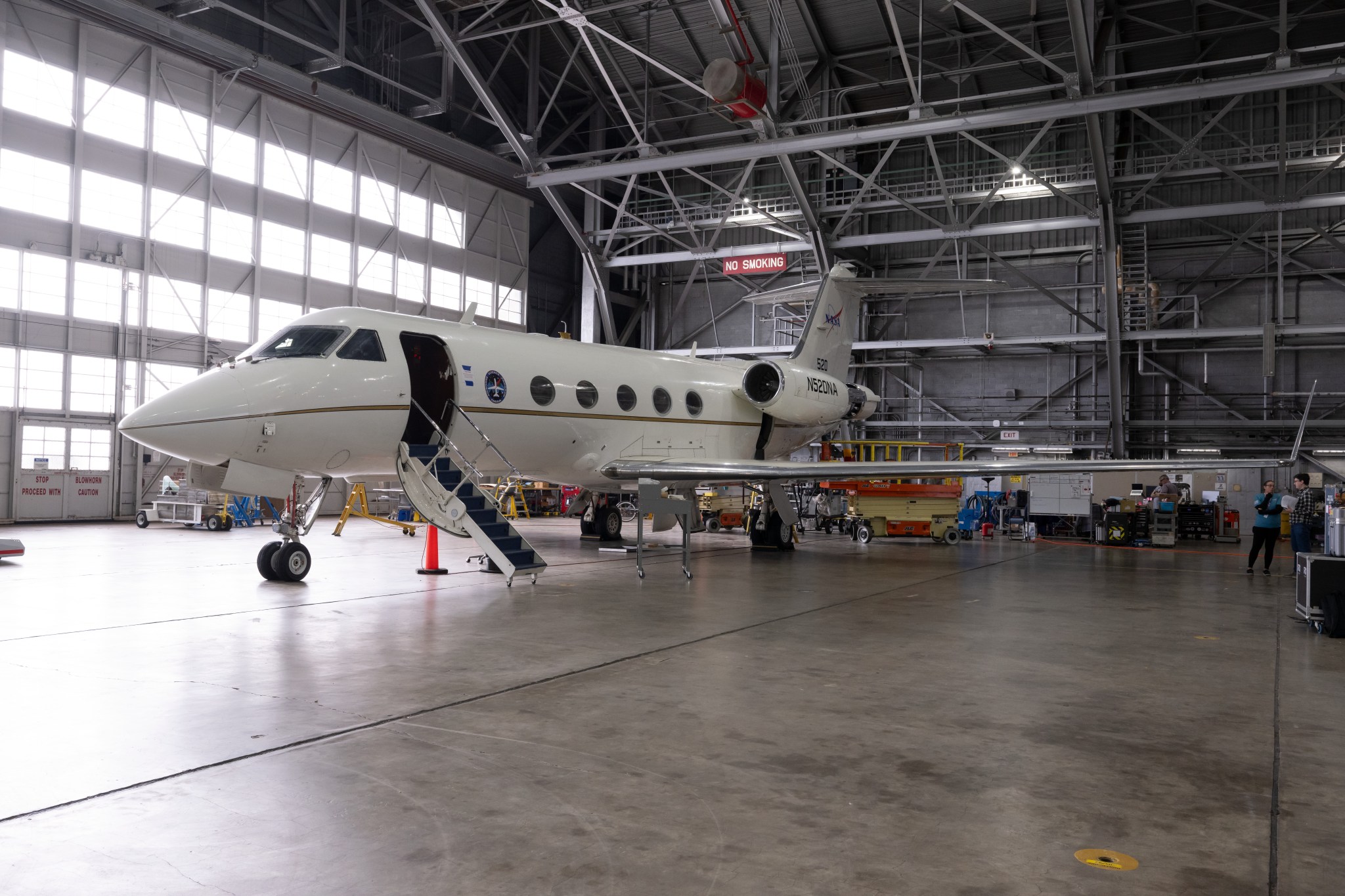
The first phase kicked off on January 24th, with the research team leaving NASA’s Langley Research Center in Virginia aboard their Gulfstream III aircraft (G-III), heading for Goose Bay, Canada. For almost a month, this plane will be crisscrossing the skies, from the North Atlantic to Canada and the Northeastern US, diligently measuring moisture, clouds, and ozone as winter storms brew and evolve. It’s a massive undertaking.
But the really exciting part comes next year. The second phase of the campaign, also launching from Langley, will feature NASA’s brand-new airborne science laboratory: a Boeing 777. Talk about an upgrade! These flights will cover a whopping 3,100 miles (5,000 kilometers), utilizing an even more extensive suite of instruments. Researchers will gather data over a huge area, including Europe, Greenland, the North Atlantic, Canada, most of the U.S., and even a chunk of the Arctic Ocean. That's a *lot* of data.
“Part of NASA’s role is to leverage our expertise and resources for the benefit of humankind – with innovation always being at our core,” said Will McCarty, NASA's weather program manager. “The NURTURE campaign is doing exactly that by outfitting our aircraft with one-of-a-kind instruments designed to put our science data into action to understand dangerous weather events before, and as they form.” It's reassuring to know our tax dollars are going toward things like this, making us safer and more prepared.
And NASA isn't going it alone. While the G-III is busy over Canada, a parallel mission, NAWDIC, led by international partners, will be operating out of Ireland. Meanwhile, NOAA will be investigating how moisture travels from the tropics to the Western U.S. All this coordinated effort means scientists can track these weather systems as they interact globally, offering us a far more comprehensive picture of how these high-impact winter weather events actually work.
“These storms are not forecasted very accurately,” said Amin Nehrir, a research scientist at NASA Langley. This hits home. We've all been caught out by a storm that was supposed to be "nothing." This mission aims to change that. By combining data from multiple sources and across vast geographical areas, NURTURE could revolutionize our ability to predict and prepare for severe winter weather. Hopefully, fewer surprises and safer winters are on the horizon.
Comments
Please sign in with Google to post a comment
No comments yet. Be the first to comment!