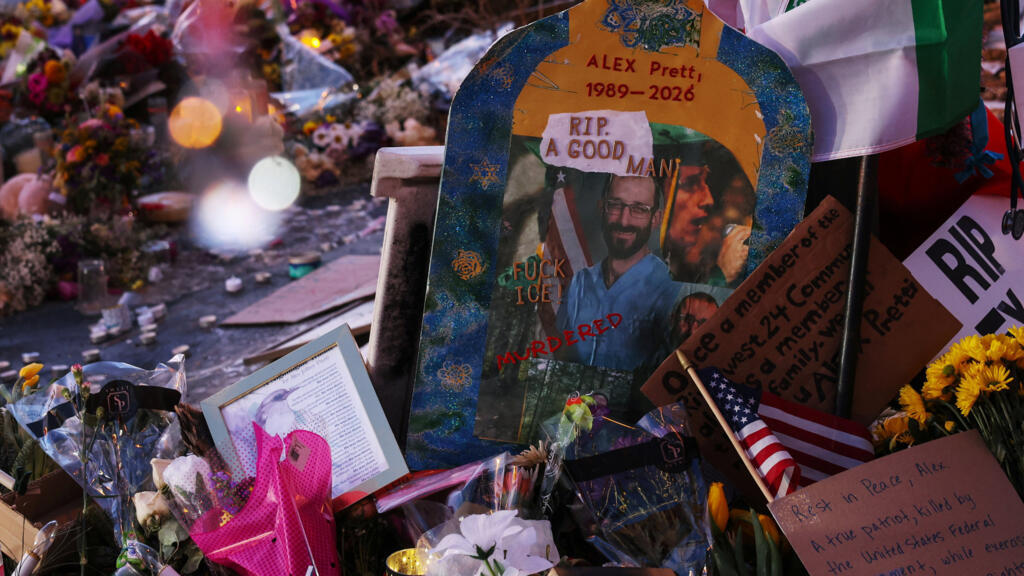
The fallout from the fatal shooting of Minneapolis protester Alex Pretti continues to ripple through the city, and indeed, across the nation. Two federal agents involved in the incident have now been placed on administrative leave, a Customs and Border Patrol (CBP) spokesperson confirmed yesterday. This, they say, is "standard protocol" following any such incident involving agents and the use of deadly force. While expected, the move does little to quell the growing calls for transparency and accountability surrounding Pretti's death.
Minneapolis Shooting: Feds on Leave After Fatal In...
The shooting occurred during a period of heightened tensions in Minneapolis, already a city grappling with deep-seated issues of racial inequality and police brutality. Pretti, a known activist within the local community, was reportedly participating in a protest when the confrontation with federal agents occurred. Details remain scarce, and eyewitness accounts vary wildly, fueling further speculation and distrust.
President Trump, who has previously been vocal about his administration's stance on immigration enforcement, particularly in cities like Minneapolis, has now indicated a potential shift in strategy. He suggested he would "de-escalate a little bit" the administration's immigration crackdown in the city. Now, whether this signals a genuine change of heart or is simply a calculated political maneuver remains to be seen. Frankly, I'm skeptical. The timing, so closely following the Pretti shooting, seems awfully convenient.
The decision to place the agents on administrative leave, while routine, offers a small measure of comfort to those demanding justice. However, many within the community are urging for a fully independent investigation, one that isn't solely reliant on internal reviews within CBP. They want a truly objective assessment of the circumstances that led to Pretti's death. A fair point, in my opinion.
The larger question, of course, revolves around the role of federal agents in local law enforcement, particularly when it comes to managing protests and demonstrations. Were these agents properly trained to handle such situations? Were they operating within established guidelines? And perhaps most importantly, could Pretti's death have been prevented? These are the questions that need answers, and they need them soon. This isn't just about Alex Pretti; it's about the future of policing and the relationship between the community and those sworn to protect it. I believe that the answers to these questions are vitally important to the future of Minneapolis, and indeed, the nation.
Comments
Please sign in with Google to post a comment
No comments yet. Be the first to comment!