How close are we to curing blindness and other debilitating conditions? Closer than you think. For years, Brain-computer interface (BCI) technology was the stuff of science fiction, a distant dream whispered in labs. Now, it's delivering on its promise, yielding some truly remarkable breakthroughs that are poised to revolutionize medical science.
Blinding Breakthrough! Cure for Blindness Closer T...
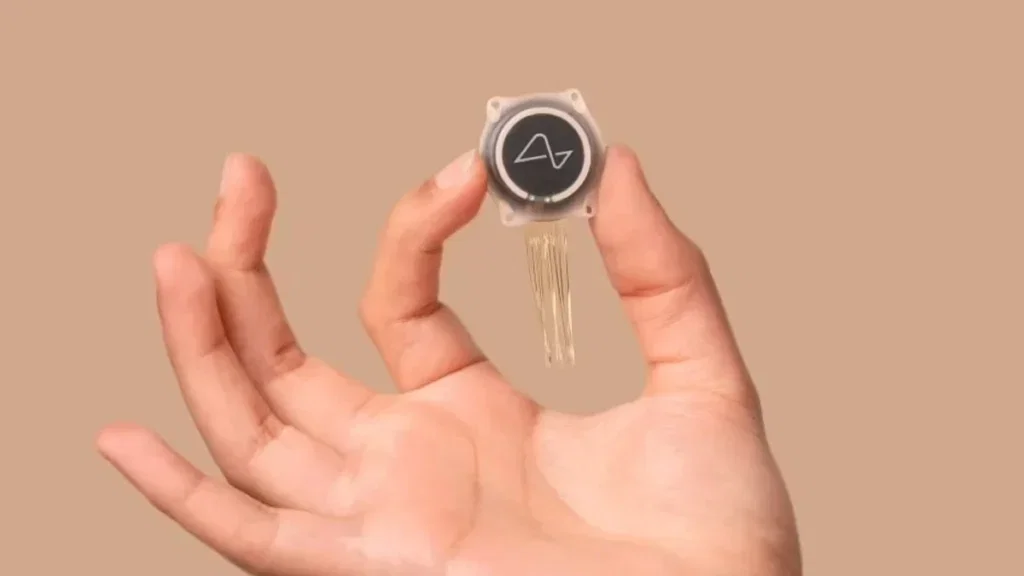
Neuralink, Elon Musk's neurotechnology company, is at the forefront, and they've recently unveiled "Telepathy," a BCI specifically designed for individuals with total paralysis, like those suffering from tetraplegia. Think about that for a moment. This isn't just about incremental improvements; it's about giving people back control of their lives. The implant works by capturing neural signals from the brain areas responsible for hand and arm movements. It then translates these signals, essentially thought patterns, into commands that can control computers, phones, and even robotic limbs. All through the power of thought.
The "Telepathy" system is currently undergoing clinical trials, and the results so far are incredibly encouraging. There are currently 21 participants worldwide, affectionately known as "Neuralnauts," and they're already demonstrating significant progress. We're talking about seamless video game control, something that might seem trivial to some, but represents a monumental step towards independence for those living with paralysis. Noland Arbaugh, the first recipient of the Neuralink implant back in July, has reported continuous improvements in the device's performance. And the company isn't resting on its laurels; an upgraded version boasting triple the capacity is slated for release before the end of the year. It's a whirlwind of innovation!
The primary target of these advancements is paralysis resulting from spinal injuries or neurological disorders. Imagine the impact – potentially transforming the lives of thousands by enabling them to interact with technology independently, to communicate, to work, to simply *live* more fully. It's a powerful prospect. And importantly, Neuralink has been actively addressing concerns about potential misuse. Trial participants have been quick to dispel any fears about the device reading minds or acting on negative thoughts, emphasizing the control they retain.
Recently, Euro Weekly News hosted a webinar with Neuralink and interviewed three ALS patients actively participating in Neuralink clinical trials. @ALScyborg, @PairedWith_P7, and @Telepath_8 tackled common misconceptions surrounding BCI technology head-on, further building public understanding and trust. (You can find the Twitter post summarizing their insights embedded below.)
But Neuralink isn't the only player in this game. Gestala is taking a different approach, pioneering non-invasive BCI technology. Their first device is a clinical tabletop machine targeting chronic pain by stimulating the anterior cingulate cortex. Studies have shown that this stimulation can provide pain relief that lasts for up to a week. The really exciting part? Gestala has plans for future portable helmets designed to treat depression, aid in stroke recovery, and even address Alzheimer’s and sleep disorders, all from the comfort of home under non-invasive supervision. By restoring healthy neural patterns without the need for brain surgery, Gestala is offering a safer, more accessible alternative that could see widespread adoption.
All of these innovations, from Neuralink's groundbreaking implants to Gestala's non-invasive therapies, paint a hopeful picture. They suggest that cures for blindness, paralysis, chronic pain, and a whole host of other neurological disorders are advancing more rapidly than many of us previously imagined. It's a testament to the power of human ingenuity, and the unwavering determination to improve the lives of those who need it most. The future is looking brighter, one neural connection at a time.
*By Adam Woodward*
Comments
Please sign in with Google to post a comment
No comments yet. Be the first to comment!