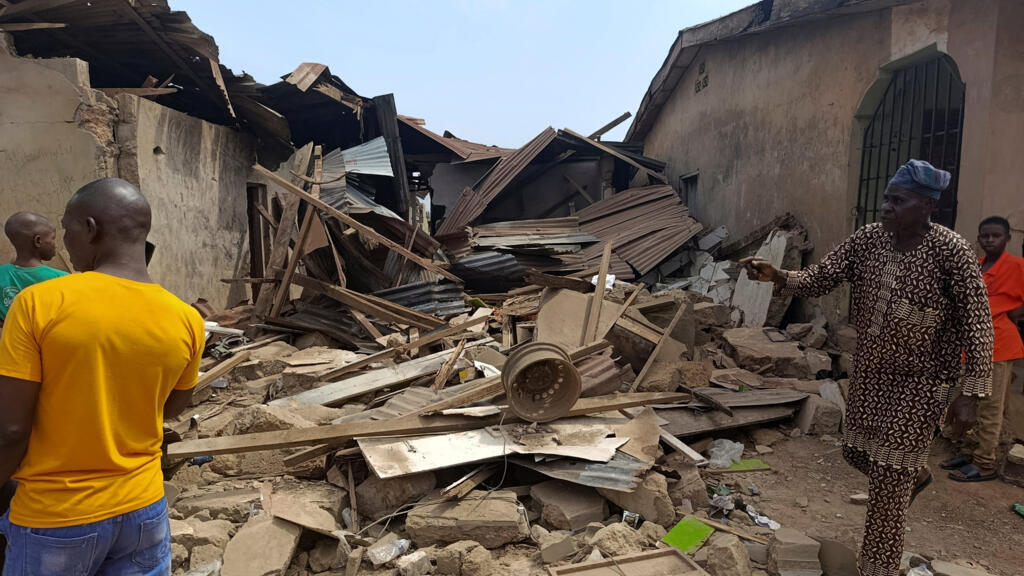
Another day, another tragedy in northeast Nigeria. Early Thursday morning, the village of Sabon Gari in Borno state became the latest target of a brutal attack by Islamic State-linked militants. Initial reports are painting a grim picture: dozens dead, including members of the Nigerian military, in what appears to have been a meticulously planned pre-dawn raid. It's the kind of news that, sadly, has become almost commonplace, but that doesn't make it any less devastating for the communities involved.
Nigeria Massacre: Dozens Dead! What Happens Next?!
Local sources are still piecing together the exact details, but the attack reportedly caught residents and soldiers off guard. We're hearing accounts of heavy gunfire and explosions echoing through the early morning hours, followed by the grim discovery of bodies scattered throughout the village. The militants, believed to be affiliated with the Islamic State West Africa Province (ISWAP), seem to have specifically targeted both civilians and military personnel in their assault. Frankly, it's a horrifying scenario.
This attack underscores the persistent and deeply troubling instability that continues to plague the Borno state region. For over a decade, the area has been gripped by an Islamist insurgency, primarily driven by Boko Haram and its splinter groups like ISWAP. The numbers are staggering: more than 40,000 lives lost and close to two million people displaced from their homes. These aren't just statistics; these are real people whose lives have been torn apart by violence and fear. I've followed this conflict for years now, and the sheer resilience of the affected communities continues to amaze me, even as my heart breaks for their suffering.
The Nigerian government has repeatedly claimed to be making progress in the fight against these insurgent groups, and certainly, there have been periods of relative calm. However, attacks like the one in Sabon Gari serve as a stark reminder that the threat remains very real. The militants continue to operate with a degree of impunity, exploiting security gaps and preying on vulnerable populations. It raises serious questions about the effectiveness of current counter-insurgency strategies and the urgent need for a more comprehensive approach.
Beyond military action, a lasting solution will undoubtedly require addressing the underlying socio-economic factors that fuel the insurgency. Poverty, lack of education, and a deep sense of marginalization all contribute to the problem. Investing in these communities, providing opportunities for young people, and promoting good governance are crucial steps towards building a more peaceful and sustainable future. Until then, tragically, we can expect to hear more stories like this one from Sabon Gari, a somber reminder of the human cost of conflict.
Comments
Please sign in with Google to post a comment
No comments yet. Be the first to comment!