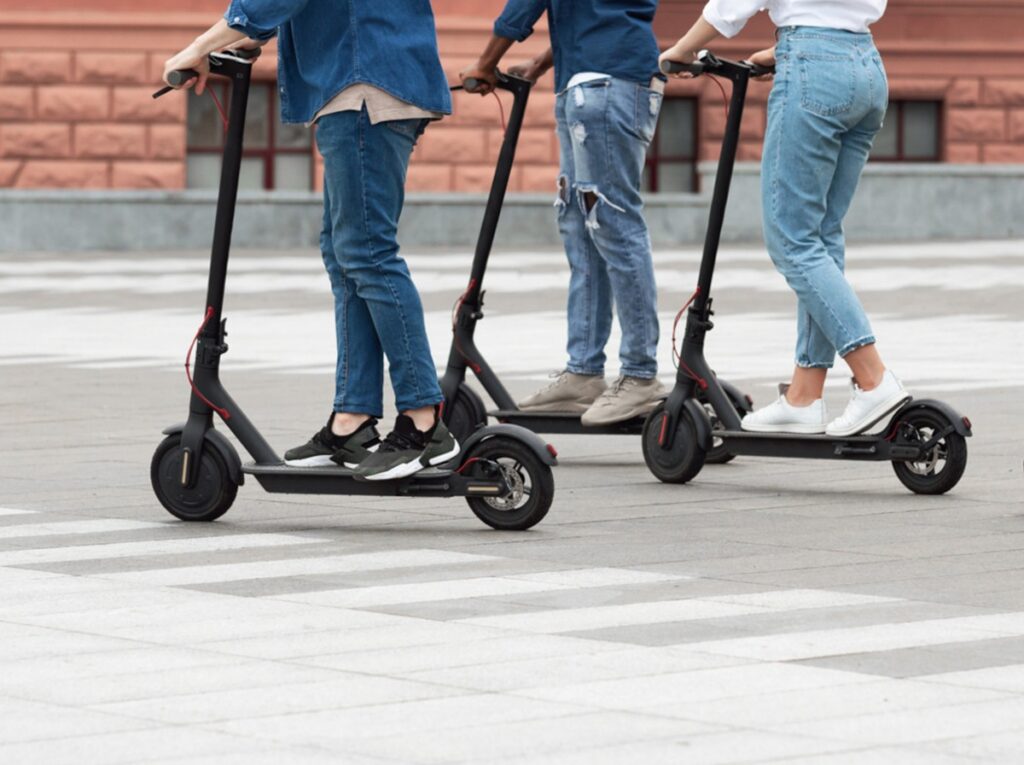
Spain's about to get a whole lot stricter on Electric scooters. Starting January 2nd, 2026, anyone zipping around on two wheels will need to make sure they're playing by a new set of rules. Think of it as the Wild West of e-scooters finally getting a sheriff – and a hefty dose of bureaucracy.
Spain Scooter Chaos! New Rules Leave Expats Stunne...
The changes, outlined in Royal Decree 52/2026 (yes, they even have a fancy name for it!), mean scooters will need to be registered, identified, and insured. This isn't just some minor tweak; it's a complete overhaul aimed at bringing order to what has become a chaotic landscape of personal mobility vehicles. The Directorate-General for Traffic (DGT), Spain's equivalent of the DMV, is heading up the effort.
So, what does this actually mean for you if you own a scooter, or are thinking about buying one? Well, to legally operate on public roads, streets, or cycle lanes, your scooter needs to meet three key requirements. First, it needs a "circulation certificate," proving it meets Spanish technical standards. Second, it has to be registered in the DGT's brand-new registry for these light personal vehicles. And finally, it'll need to sport an official DGT identification badge – a kind of scooter license plate, if you will – displayed prominently on the rear.
That DGT ID badge is a small, reflective sticker with a big "M" on it. It's designed for quick identification by the authorities. No badge, no ride, basically. Registering your scooter gets you a digital certificate and lets you buy the badge from authorized providers. The badge itself has a unique ID number, certification reference, and security features to prevent anyone from trying to reuse them. Smart move, I think.
This new system is designed to streamline checks for insurance, certification, and even ownership. Apparently, it will make it easier to trace stolen or modified scooters. Owners are now responsible for reporting sales, purchases, or even the scrapping of a scooter to the DGT within 30 days. Seems like a bit of a hassle, but it's all part of the plan. Insurance details will also be linked to the registry. This supports the mandatory liability insurance requirement, something that was probably overdue, to be honest.
There's also a grace period for those with uncertified scooters, letting them continue riding until January 22nd, 2027. But after that, only certified and registered scooters will be allowed on public roads. It's a good idea to get your ducks in a row before then, especially if you're an expat who relies on a scooter for getting around. Make sure your scooter is DGT-approved, certified, registered, and insured. Buying a new scooter? Double-check it ticks all the boxes.
Comments
Please sign in with Google to post a comment
No comments yet. Be the first to comment!