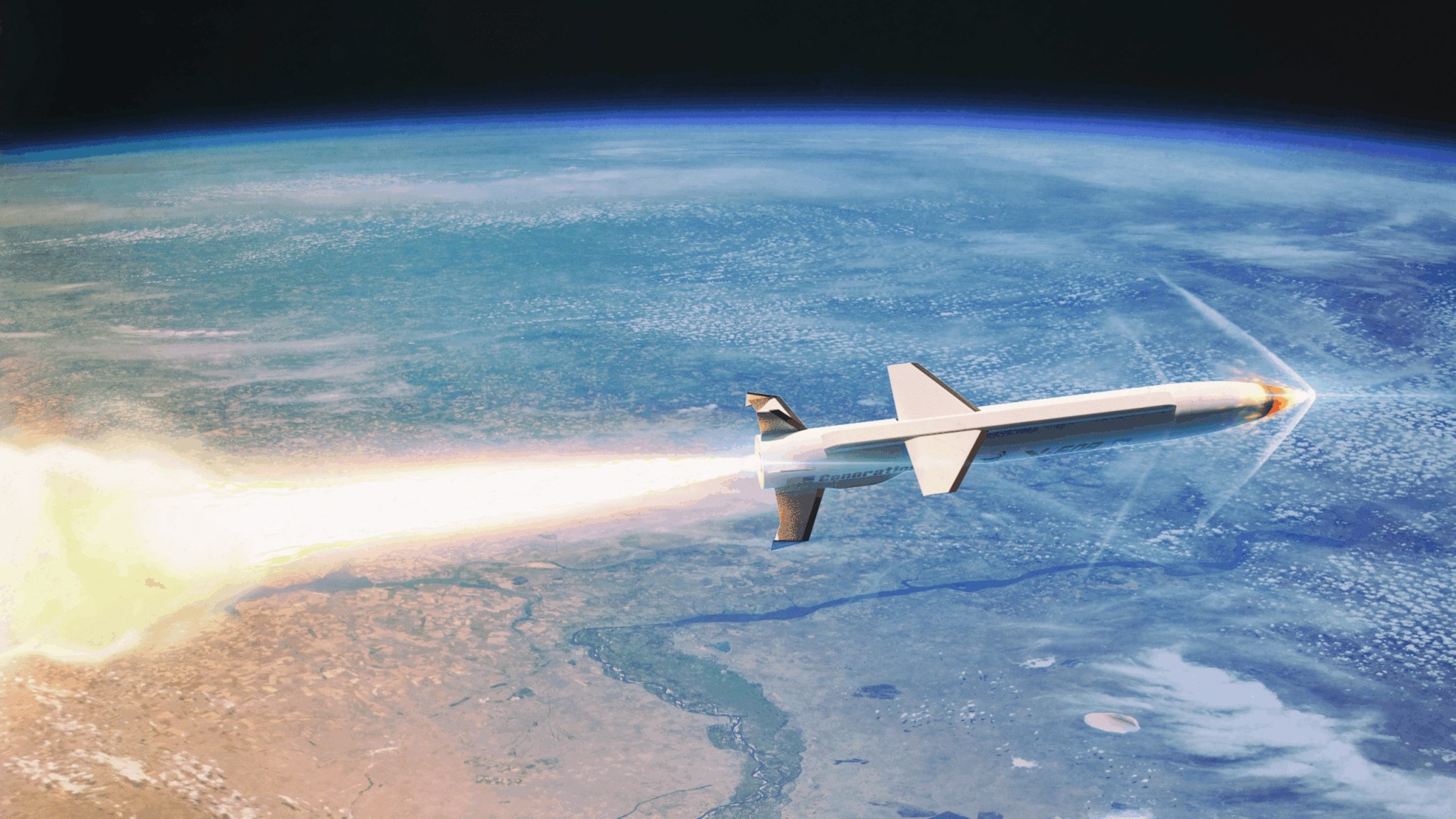
NASA is aiming for the skies, but this time, it's not just about getting *to* space. They're setting their sights on something much, much faster: Hypersonic flight. We're talking speeds five times the speed of sound. Think about that for a second – you could cross the country in a blink! And while you might be dreaming of supersonic commercial travel, it's NASA that's taking the lead on pushing the boundaries of what's possible.
NASA's Hypersonic Breakthrough! What This Means Fo...
The interesting thing about reaching hypersonic speeds is that there are a few ways to do it. Rockets, for example, carry their own oxygen, allowing them to combust fuel regardless of the surrounding atmosphere. But NASA's Hypersonic Technology Project has a different vision: reusable, "airbreathing" hypersonic aircraft. These planes would intake air during flight, making sustained hypersonic cruising a real possibility. That's a game-changer, as any aviation enthusiast will tell you. Imagine a plane that can scoop up air and use it to power speeds far beyond what we currently consider normal. Amazing.
The project is strategically focused on bridging the gap between ground-based testing and actual flight. To that end, NASA has awarded two key contracts to SpaceWorks Enterprises and Stratolaunch. The idea is that commercial interest is there, and NASA wants to help streamline the testing and development of airbreathing hypersonic vehicles. I think that’s a very smart approach.
According to Dr. Nateri Madavan, director of NASA’s Advanced Air Vehicles Program, the goal is to "collaborate with the commercial hypersonics industry to identify new ways to evaluate technologies through flight tests, while addressing the challenges of reusable, routine, airbreathing, Hypersonic flight." In essence, NASA is looking for innovative solutions to make hypersonic flight not just a possibility, but a practical reality. It's about finding ways to test these technologies in a real-world environment, but without breaking the bank every single time.
SpaceWorks Enterprises received $500,000 to focus on its X-60 platform, while Stratolaunch secured $1.2 million to work with its Talon-A platform. These six-month studies will explore how existing vehicles can be modified to provide reusable, high-cadence, and affordable flight-testing capabilities. That’s right, they plan to use existing technology! This is what I call smart, innovative engineering.
These awards will provide NASA with valuable industry input on the necessary capabilities to meet flight test requirements. It could also pave the way for a future NASA Making Advancements in Commercial Hypersonics (MACH) project. This project would be geared towards advancing commercial hypersonic vehicles, including the development of essential infrastructure and cost estimates for a potential flight vehicle. It's a long road ahead, but the potential rewards – both technological and economic – are enormous. I, for one, will be watching this closely.
Comments
Please sign in with Google to post a comment
No comments yet. Be the first to comment!