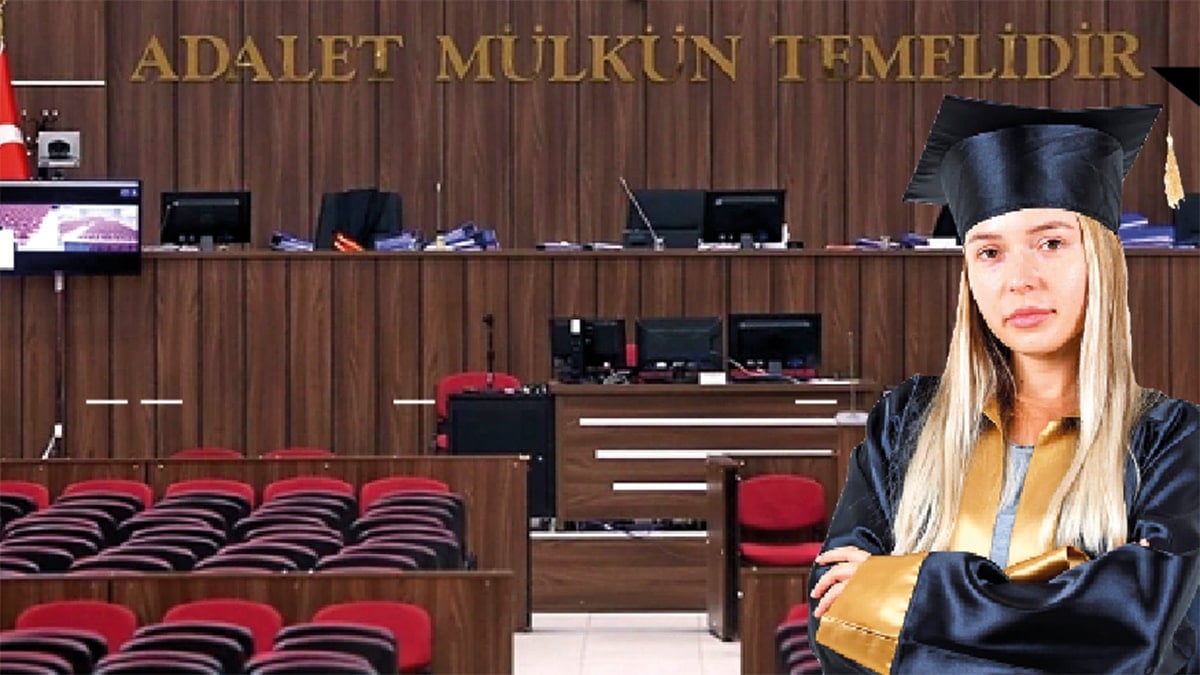
Turkey's education system is sending mixed signals, to say the least. While the country is making significant strides in education sciences, a glaring deficiency has emerged in its law faculties, according to the latest Times Higher Education (THE) 2026 rankings. It's a real head-scratcher.
Turkey's Law Education SHOCK: Missing on the World...
The numbers don't lie. Turkey proudly boasts the third-highest number of education faculties ranked globally, with 44 institutions making the grade. This is quite an achievement. The UK leads the pack with 75, followed by Spain with 47. METU (Middle East Technical University) even snagged a respectable 93rd position worldwide. Not bad at all. But this success also raises a valid question: are those newly minted National Education Academies really necessary, given how well our existing education faculties are performing?
Now, let's talk about the elephant in the room: law. Despite having a whopping 84 law faculties, not a single one managed to crack the THE rankings. This is especially concerning when you consider that the survey evaluated 425 law schools across 53 nations. Meanwhile, Stanford University secured the top spot globally. Ouch.
Here's where things get even more interesting, and frankly, a little bizarre. The number of law faculties in Turkey has exploded in recent decades, jumping from a manageable 24 to a staggering 84. The problem? Many of these faculties are now led by deans who don't even have a background in law. I'm not kidding. Academics specializing in theology, Islamic law, and even veterinary medicine have been appointed to oversee law programs. I mean, come on! It's like putting a chef in charge of building a bridge. It just doesn't make sense.
Just consider some of the appointments: Afyon Kocatepe University has a sociology professor at the helm of its law faculty. Eskişehir Osmangazi University is headed by a history professor. The list goes on – political scientists, economists, and even finance professors are running the show at various law faculties across the country. It's a disturbing trend, to say the least.
So, what does this all mean? Well, it seems Turkey has some serious soul-searching to do regarding its legal education system. While excelling in education sciences is something to celebrate, ignoring the glaring problems within law faculties could have serious long-term consequences for the country's legal professionals and, ultimately, its justice system. Something needs to change, and fast.
Comments
Please sign in with Google to post a comment
No comments yet. Be the first to comment!