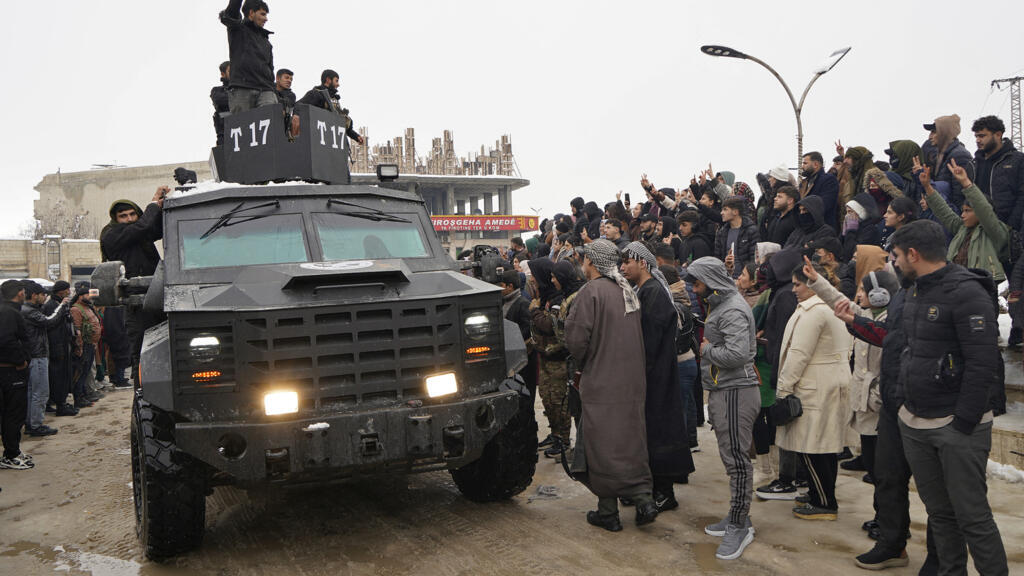
Tensions have been simmering, and now the pot is starting to boil, but perhaps with a dash of optimism. Syrian Kurdish security forces have just announced a curfew in the northeastern cities of Qamishli and Hasakah, a move that might seem alarming at first glance. But, look closer. It appears to be a carefully orchestrated prelude to a potentially game-changing agreement with Damascus.
Syria Under Curfew! What Does This Deal With Damas...
The curfew, slated to begin early next week, isn't about suppressing dissent, at least not directly. Instead, it's designed to facilitate the integration of Kurdish military and civilian institutions into the Syrian state. It's a delicate dance, to be sure, but one that could dramatically alter the power dynamics in the region.
Mazloum Abdi, the prominent Kurdish commander, has been the point man on this. He stated that the agreement is set to kick off on Monday, with both Kurdish forces and Syrian government troops withdrawing from current frontline positions. That's a significant step, and one fraught with potential pitfalls. Anyone who's followed this conflict knows that trust is in short supply.
What does this really mean? Well, in essence, the Kurdish-led administration in northeast Syria, which has enjoyed considerable autonomy since the Syrian civil war erupted, is preparing to cede some control back to the central government in Damascus. This isn't a complete surrender of autonomy, at least not yet, but it represents a significant shift. It's about bringing what are essentially self-governing areas back under the umbrella of Syrian state control, at least on paper.
The implications are huge. Think about it: unified military command, shared resources, and potentially a more stable, albeit complex, future for the region. Of course, this agreement hinges on a lot of "ifs". If Damascus honors its commitments, if the integration process is managed fairly, and if external actors (like Turkey, which views Kurdish forces as a threat) don't throw a wrench in the works. I’ve personally seen how easily these agreements can crumble when faced with external pressure. This is a long way from being a done deal.
For the residents of Qamishli and Hasakah, the curfew is a temporary inconvenience, a small price to pay, perhaps, for the prospect of lasting peace and stability. But they're also understandably wary. Years of conflict and uncertainty have taught them to be cautious. The coming weeks will be crucial in determining whether this agreement is a genuine step towards a more unified and peaceful Syria, or just another chapter in a seemingly endless cycle of conflict.
Comments
Please sign in with Google to post a comment
No comments yet. Be the first to comment!