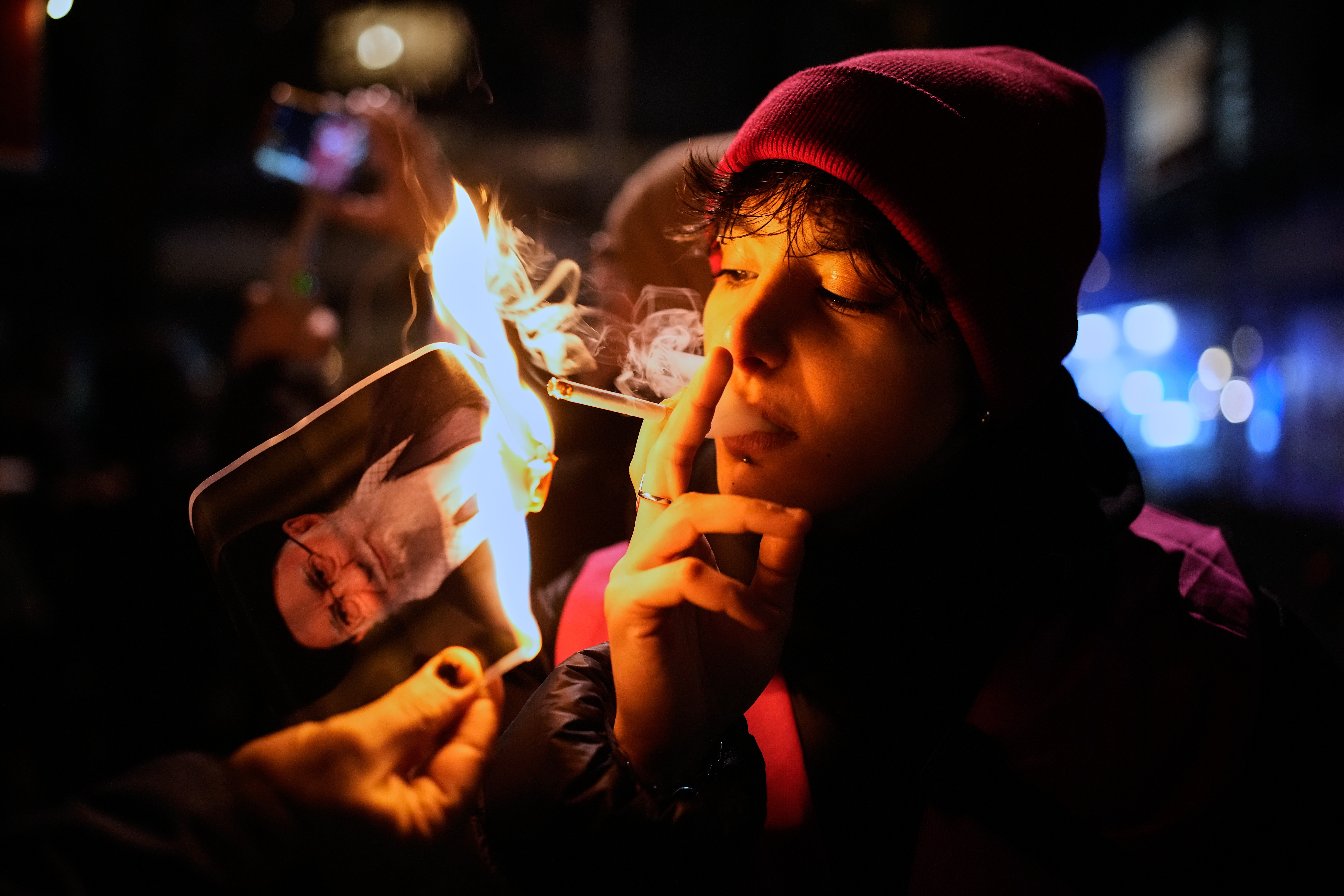
The news coming out of Iran is heartbreaking, to say the least. As the dust settles (or, perhaps more accurately, as the smoke clears), the sheer scale of the violence unleashed against protesters is becoming horribly apparent. Iranian-Canadian communities are now grappling with the devastating reality: loved ones lost, lives shattered, and a regime seemingly willing to stop at nothing to maintain its grip on power.
Iran Protest Massacre: Families Devastated – What ...
Mahnoosh Naseri, from Ottawa, is just one example of the anguish. Her last conversation with her father was as he prepared to join the protests in Tehran. He never made it home. Four agonizing days later, the family learned he'd been shot dead. It's a story that's being repeated, with variations, across Iranian communities around the world.
While the protests initially flared up in late December, things really seemed to escalate around January 8th, the day Reza Pahlavi, the exiled son of the Shah, called for mass demonstrations. Millions took to the streets, seemingly emboldened, perhaps naively, by Donald Trump's vague promise of U.S. intervention should the regime harm protesters. I remember at the time thinking that was an incredibly risky and potentially dangerous thing to say.
Of course, the response from the Iranian regime was entirely predictable. Activists are now estimating that tens of thousands may have been killed. Let that sink in for a moment. Tens of thousands. Ali Ehsassi, an Iranian-Canadian MP in Toronto, says his office has been flooded with calls from constituents desperately seeking information about missing or injured family members. He described January 8th and 9th as "particularly bloody," which is putting it mildly, based on the reports I'm hearing.
"I have no doubt that the number of people who have died is very, very high, even by the standards of the Iranian regime," Ehsassi stated, and that's a chilling statement, considering the regime's track record.
Azam Jangravi, a tech professional in Toronto, shared an even more devastating personal account. She reported that ten of her family members were casualties of the crackdown. One of them, shot in the chest during a demonstration in Esfahan, survived the initial attack. However, he was too afraid to seek medical help, knowing hospitals were being targeted by security forces hunting for protesters. He hid for two days before succumbing to his injuries. Jangravi herself fled Iran after being convicted of the bizarre charge of displaying her hair in public.
Pieman Azimi, from Ottawa, spoke of his 20-year-old nephew, a mechanic, who was shot dead during a demonstration. His family spent a harrowing day searching for him, finally finding his body in a morgue. Nona Dourandish, also from Ottawa, recounted a friend being shot in the waist, narrowly surviving. This friend described how the suppression tactics escalated rapidly: "The first two days, they were shooting with paintballs. And then they decided to bring in military powers and their special units." It's alleged that authorities even used drones to monitor the city, with gunmen opening fire on anyone chanting anti-regime slogans. This is a story of brutality, and it needs to be told.
Comments
Please sign in with Google to post a comment
No comments yet. Be the first to comment!