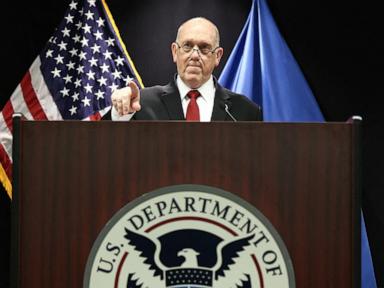
Minneapolis remains on edge as details emerge about the ongoing federal presence following weeks of heightened tensions. The deployment of Tom Homan, President Trump's border czar, to Minnesota last week threw fuel on an already burning fire, sparked by the fatal shooting of Alex Pretti, a 37-year-old ICU nurse, on January 24th. This incident, ruled a homicide, was the second shooting involving federal agents in the city last month, and understandably, residents are demanding answers.
Minneapolis: Feds Pull Back?! What Happens Next Wi...
Pretti's death triggered immediate protests, some of which have devolved into clashes between demonstrators and law enforcement. It's a powder keg situation, and frankly, the heavy-handed federal response seems to be exacerbating the problem, not solving it.
Homan announced Wednesday that the federal government would be "drawing down" 700 agents "effective immediately," a move that, on the surface, sounds like a step in the right direction. However, he also made it clear that a substantial force – roughly 2,000 agents – will remain in Minnesota for what he described as "immigration enforcement efforts." That's a huge jump from the pre-operation number of 150. It's hard to see how this continued presence will ease tensions, especially when many residents feel like they're living under an occupation.
The border czar further complicated matters by stating that security personnel wouldn’t leave until the federal government sees a decrease in what he called "lawlessness" hindering ICE and Border Patrol agents. "Stop impeding, stop violating the law because we will arrest you," he warned. It feels like a threat, honestly. And it's hard to imagine that kind of language will help de-escalate the situation.
Homan stressed that CBP and ICE agents in Minnesota are now operating under a unified command structure, a move he characterized as streamlining operations. "Any large operation I've ever been apart of is one chain of command and that's where we're moving forward," he said. While the unified command might make things more efficient for the feds, it doesn't address the core concerns of the community: accountability for the shootings and a clear plan for reducing the federal presence in a way that respects the rights of all residents.
Last Thursday, Homan alluded to "massive changes" and agreements with local and state officials that would ultimately lead to fewer federal agents on the ground. "We will conduct targeted enforcement operations -- targeted; what we've done for decades," he claimed. The problem is, the community has heard promises before. They want to see tangible change, not just hear more words.
For now, Minneapolis remains in a state of uneasy anticipation. While 700 agents are supposedly leaving, the lingering presence of 2,000 others, coupled with the combative rhetoric from federal officials, suggests that this story is far from over. The real question is whether cooler heads will prevail and a path towards genuine reconciliation can be forged.
Comments
Please sign in with Google to post a comment
No comments yet. Be the first to comment!