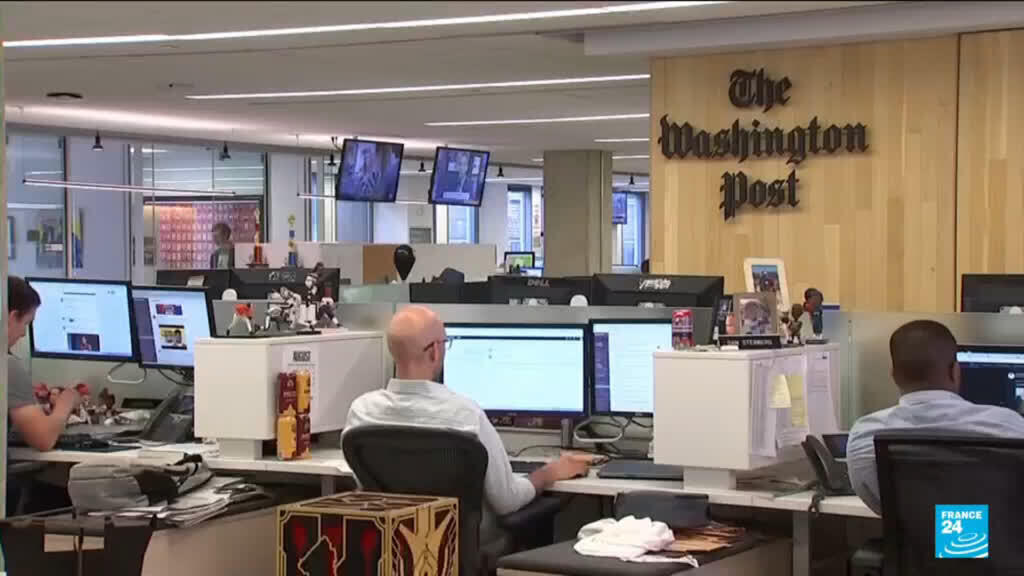
Well, folks, it looks like even the giants aren't immune. The Washington Post, owned by none other than Jeff Bezos, just announced a pretty significant round of layoffs. We're talking hundreds of journalists and staff packing their bags, and that's a headline that's hard to ignore in the current media landscape. I have to say, I saw this coming, but the scale of it is still a bit shocking.
Washington Post Massacre! Hundreds Axed - What Hap...
The cuts aren't just trimming the fat either; they're hacking away at some pretty vital parts of the paper. Word is they're completely axing the sports and books sections. I mean, come on, where are we supposed to get our thoughtful literary criticism now? And sports? That's practically a national pastime. Beyond that, we're hearing about major reductions in the international, metro, and podcast desks. Ouch. That's a lot of institutional knowledge and expertise walking out the door.
Now, the question on everyone's mind, of course, is why? Well, according to Solange Mougin – and frankly, anyone who's been paying attention – it boils down to a few key factors. The Post, like many traditional media outlets, has been struggling to adapt to the digital age. Advertising revenue is down, subscription numbers haven't quite hit the targets they were hoping for, and let's face it, competition for eyeballs online is fierce. Everyone's vying for your attention, and the old models just aren't cutting it anymore.
But it's more than just that, isn't it? There's a bigger conversation to be had about the role of journalism in a world saturated with information, and frankly, misinformation. People are getting their news from all sorts of sources now – social media, blogs, even just word-of-mouth. It's harder than ever to break through the noise and establish yourself as a trusted source. And that trust is absolutely vital if you want people to pay for quality journalism.
It's a tough situation, and honestly, I don't envy Bezos and the Post's leadership. They're trying to navigate a rapidly changing landscape, and there are no easy answers. What's clear is that the media industry is undergoing a massive transformation, and not everyone is going to make it through unscathed. It's a sad day for journalism, but it's also a wake-up call. We need to find new ways to support quality reporting, or we risk losing it altogether. And that, my friends, would be a tragedy.
Comments
Please sign in with Google to post a comment
No comments yet. Be the first to comment!