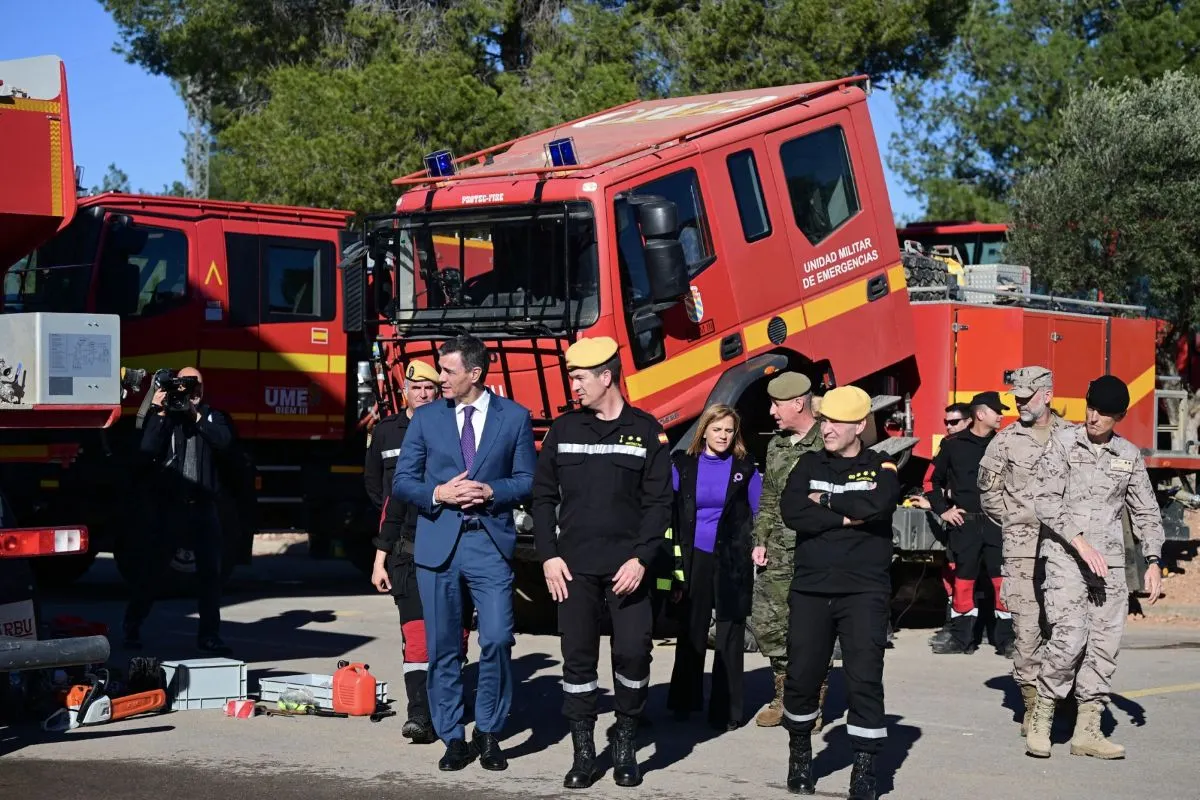
Relief, however tentative, is finally washing over Spain and Portugal as a ferocious storm system begins to dissipate. Days of relentless rainfall that triggered devastating floods and mass evacuations are giving way to calmer skies, though the aftermath will undoubtedly be felt for weeks, if not months, to come. The human cost has been significant, and the cleanup will be a monumental task.
Spain's PM Visits Flood Zone: Will Aid Arrive in T...
The worst hit areas saw entire towns submerged, roads rendered impassable, and tragically, lives lost. The sheer volume of water overwhelmed drainage systems and riverbanks, turning streets into raging torrents. Witnessing the footage coming out of Spain has been truly heartbreaking – the images of people wading through chest-deep water, clinging to what little they could salvage, are simply unforgettable.
In a gesture of solidarity and a promise of support, Spain's Prime Minister is scheduled to visit the areas most affected by the flooding. This is more than just a photo op; it's a crucial opportunity to assess the damage firsthand and to reassure affected communities that they haven't been forgotten. Of course, words are cheap. The real test will be in the swift allocation of resources and the implementation of effective recovery plans.
Thousands were forced to flee their homes, seeking refuge in emergency shelters and with relatives. The evacuations, while necessary, added another layer of trauma to an already devastating situation. Imagine having to abandon everything you own, unsure if you'll even have a home to return to. It’s a scenario that chills you to the bone.
While the immediate crisis may be subsiding, the long road to recovery is just beginning. The focus now shifts to providing shelter, food, and medical assistance to those displaced, as well as clearing debris and repairing damaged infrastructure. It's a massive undertaking that will require a coordinated effort from government agencies, aid organizations, and local communities. The spirit of resilience, however, seems strong. Reports are already surfacing of neighbors helping neighbors, of volunteers pitching in, of communities banding together to face this challenge. That’s the kind of news that gives you a little hope in the face of such widespread devastation.
And beyond the immediate needs, there’s a larger conversation to be had about climate change and the increasing frequency and intensity of extreme weather events. These floods aren't just a natural disaster; they're a stark reminder of the urgent need to address the underlying causes and to invest in infrastructure that can withstand the impacts of a changing climate. We need preventative action, not just reactive measures.
Comments
Please sign in with Google to post a comment
No comments yet. Be the first to comment!