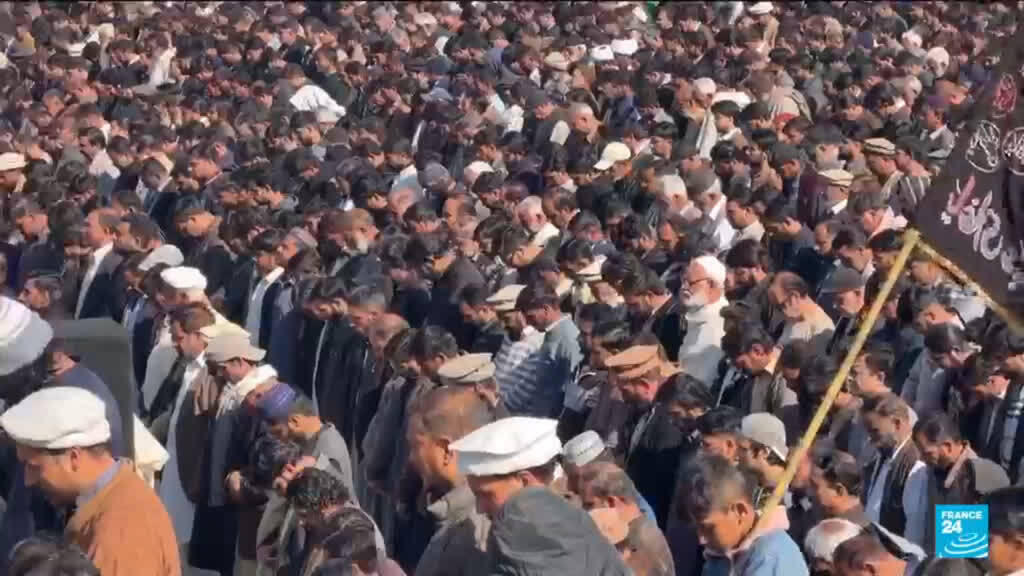
Islamabad is reeling after a horrific suicide bombing ripped through a mosque on Friday, leaving at least 31 dead and scores injured. The city is in mourning, and the sheer scale of the tragedy is difficult to process. I can tell you, having reported from this region before, that this attack feels different. It's not just the loss of life, but the location itself, a place of sanctuary, that makes it particularly chilling.
Islamabad Bombing: 31 Dead! ISIS Claims Attack – W...
Funeral processions filled the streets today, a somber reminder of the lives cut short. This marks the deadliest attack in Islamabad in over two decades, a statistic that underscores the deteriorating security situation in the region. For many residents, the bombing has shattered any sense of safety they might have felt in the capital. People are understandably scared.
The Islamic State group (ISIS) has claimed responsibility for the attack, a claim which, if verified, would represent a significant escalation of their activities in Pakistan. While ISIS has been active in neighboring Afghanistan, their presence in Pakistan has been less pronounced. This attack signals a dangerous shift and raises serious questions about the group's growing influence and operational capabilities. Frankly, it's a worrying development.
The bombing targeted a mosque frequented by police personnel, suggesting a deliberate attempt to strike at the heart of the Pakistani state. The attack will undoubtedly put immense pressure on the government to respond decisively and to reassure the public that it's taking concrete steps to improve security. But that's easier said than done. The challenge is not just to find those directly responsible, but to dismantle the networks that support and enable such acts of terror.
The situation remains fluid, and investigators are still piecing together the details of the attack. One thing is clear, though: the bombing has deepened the sense of insecurity and fear in Islamabad. The coming days and weeks will be crucial in determining the government's response and whether it can effectively address the underlying factors that contribute to the rise of extremism in the region. We'll be following this story closely and providing updates as they become available.
Beyond the immediate security concerns, the attack also raises deeper questions about sectarian tensions within Pakistan. While ISIS claims responsibility, the motives and the specific target of the attack may provide further insights into the dynamics of sectarian conflict. It's a complex issue with deep historical roots, and there are no easy solutions. What is needed is a long-term strategy that addresses not only security concerns but also the underlying social and economic factors that contribute to radicalization.
Comments
Please sign in with Google to post a comment
No comments yet. Be the first to comment!