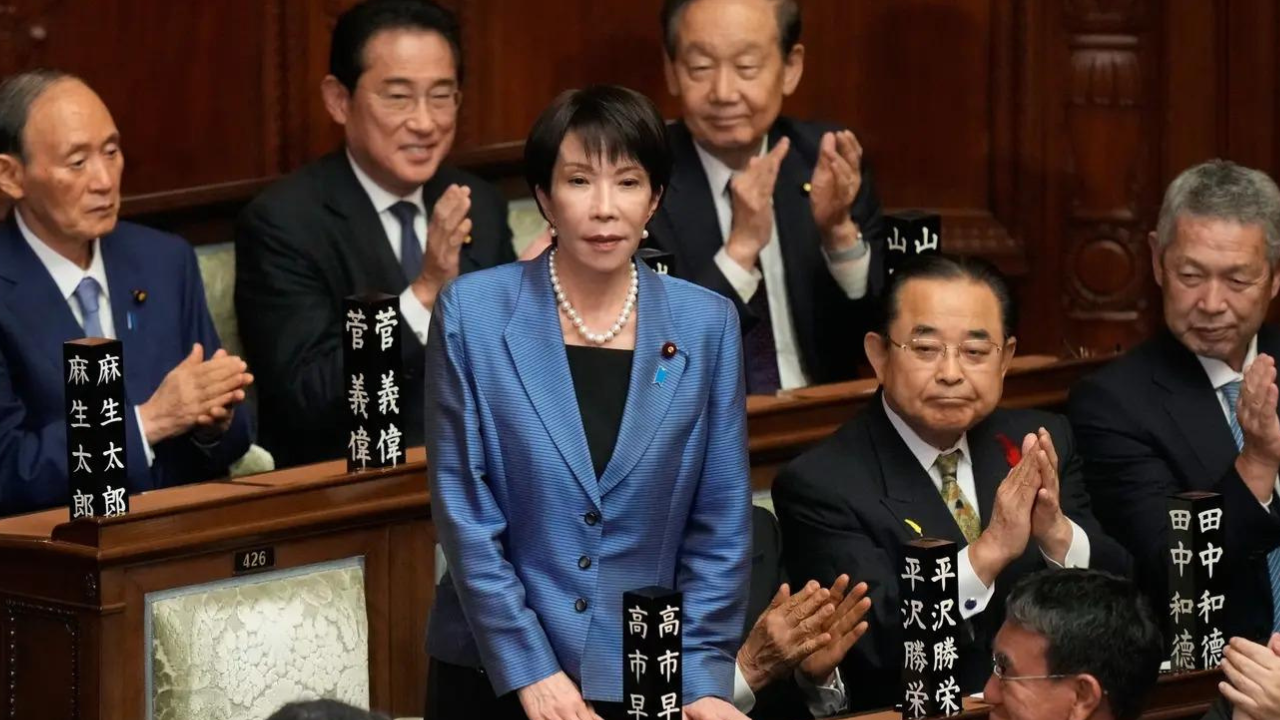
Japan is bracing for a significant political shift. Exit polls are suggesting a landslide victory for Prime Minister Sanae Takaichi and her Liberal Democratic Party (LDP) in today's snap elections. If the projections hold true, Takaichi could be in a very strong position to enact her policies.
Japan Election SHOCK: Landslide Victory?! What Hap...
NHK, the country's public broadcaster, is currently projecting that the LDP could grab a whopping 274 to 328 seats in the 465-member lower house. That's a huge jump from the 198 they held before the election, according to AFP reports. Factoring in their coalition partner, the Japan Innovation Party (JIP), the ruling bloc could potentially control between 302 and 366 seats. What's really significant is if they break the 310-seat barrier. That would give them a two-thirds majority, letting them push through legislation without needing opposition support – something they haven't had since 2017.
This election outcome, should it materialize, would be a major comeback story for the LDP. They've been struggling lately. Just last year, under Takaichi's predecessor, Shigeru Ishiba, the coalition lost its majority in the upper house. Then, earlier this year, they lost control of the lower house. It was a tough period for the party.
Takaichi, who only took the reins as Japan's first female prime minister back in October, really took a gamble by calling a snap election after just three months. But it seems to have paid off. She's apparently struck a chord with younger voters, thanks to her more dynamic and unconventional style. I have to admit, even I was a little surprised by how quickly she's managed to gain traction, especially given some of the skepticism within her own party.
Of course, even with a projected victory, the economic realities facing everyday Japanese citizens are still very much front and center. Talking to people on the ground, you hear a lot of concern about rising inflation and stagnant wages. "With prices rising like this, what matters most to me is what policies they’ll adopt to deal with inflation," Chika Sakamoto, a voter in Tokyo, told AFP. Her sentiment really echoes what I've been hearing – that household incomes just aren't keeping pace with the rising cost of living.
Takaichi has already rolled out a $135 billion stimulus package and promised to temporarily scrap the consumption tax on food. But there are still questions swirling around Japan's long-term financial health. The nation's debt is already more than double the size of its economy, and bond yields have been hitting record highs in recent weeks. Plus, you can't ignore the ongoing regional tensions with China. That's a constant concern for voters here, and it will undoubtedly shape Takaichi's policy decisions going forward. It will be interesting to see how she balances these competing pressures if the election results confirm the current projections.
Comments
Please sign in with Google to post a comment
No comments yet. Be the first to comment!