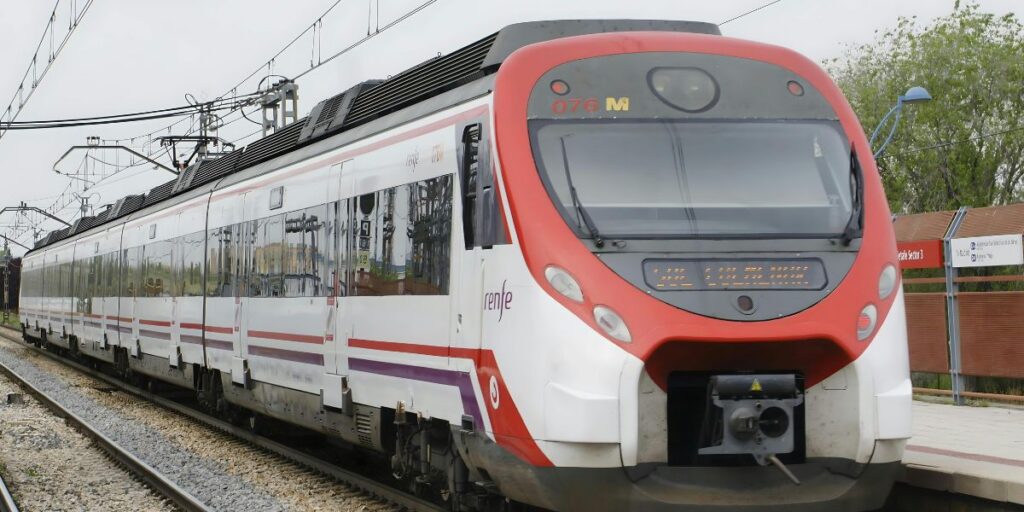
Spain's rail system is currently experiencing a major headache, as a three-day strike by train drivers and rail workers grinds some services to a halt. We're talking widespread disruption, and if you're planning to travel by train in Spain this week, you definitely need to pay attention.
Spain Rail Strike Chaos! Thousands Stranded - What...
The strike action, a joint effort by prominent rail unions SEMAF, CCOO, UGT, and SF-CGT, stems from a breakdown in negotiations with the Ministry of Transport. And it's not just about wages; the core issue here revolves around safety and working conditions – something we can all agree is pretty crucial for a smoothly functioning rail network. These unions aren't messing around.
What specifically are they after? Well, the workers are pushing for some serious structural safety improvements and a boost in maintenance staffing levels. Their concerns are, sadly, fueled by two recent and devastating incidents: a high-speed train collision in Adamuz, Córdoba, resulting in multiple tragic deaths, and a commuter train derailment in Gelida, Catalonia, which also claimed a life and left many injured. You can understand why they feel this strongly. It's always terrible when human error contributes to accidents; better maintenance helps prevent that.
Despite some last-ditch attempts to hammer out a deal, government officials and the unions couldn't find common ground, leading to the walkout. The government has, of course, stepped in with "minimum service" requirements – a somewhat controversial measure designed to keep essential transport ticking over. However, these mandated minimums don’t negate the fact that major service reductions are hitting passengers hard.
Commuter lines, known as Cercanías, are particularly feeling the pinch. They’re operating at 75% capacity during peak hours and about 50% at other times, according to government guidelines. But even that reduced schedule can't prevent chaos. Over 330 intercity, high-speed (AVE), and long-distance trains have been scrapped altogether, and regional routes are also in a state of disarray. I even heard from a friend in Barcelona that his usually reliable commuter train was packed like sardines this morning, and then simply stopped midway between stations.
Reports are flooding in from major cities like Madrid and Barcelona, describing significant delays and a noticeable drop in train frequency. Some services, according to frustrated commuters, aren't even meeting the minimum service standards. So, the advice is simple: if you’re planning on traveling by train, keep a close eye on the Renfe website or app for the latest cancellations and alternative routes. And, crucially, build in extra time – you're almost guaranteed to need it. Hopefully, a resolution is reached soon, because this disruption is impacting a lot of people.
Comments
Please sign in with Google to post a comment
No comments yet. Be the first to comment!