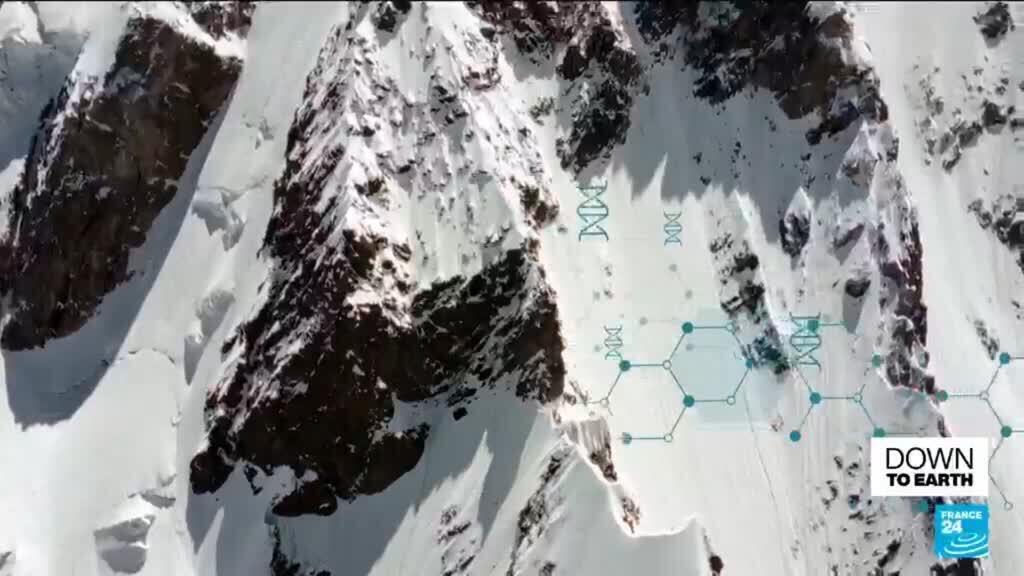
Glaciers. We think of them as majestic rivers of ice, slowly carving their way through mountains, feeding our rivers and, ultimately, sustaining life. But these icy giants are in serious trouble. Climate change is pushing them to the brink of collapse, and scientists predict that a staggering half of the world's glaciers could vanish before the end of this century. It's a grim prospect, no doubt.
Glacial Habitats Vanishing! Scientists Race Agains...
But amid this looming disaster, a glimmer of hope emerges. While the world watches Glaciers melt, a dedicated team of scientists is racing against time to understand these frozen ecosystems before they disappear forever. And they've enlisted an unlikely ally: a French mountain climber, whose experience scaling icy peaks is proving invaluable in collecting precious ice samples from glaciers around the globe. It's a bit like a real-life Indiana Jones, but instead of seeking ancient artifacts, they're hunting for microscopic clues to help us understand – and potentially combat – global warming.
What makes these glacial habitats so important? Well, surprisingly, glaciers aren't just sterile blocks of ice. They teem with life. Living and dormant species exist within them, many of which are unknown to science. These organisms, adapted to extreme cold and pressure, hold secrets that could be vital in our fight against climate change. Understanding how they survive, how they interact, and what their role is in the larger ecosystem could offer critical insights into adaptation and resilience. Think about it: organisms that have evolved to thrive in some of the most hostile environments on Earth could hold the key to future technologies or even inspire new strategies for dealing with a warming planet.
The "Down to Earth" team, as they're known, is at the forefront of this research. They're meticulously gathering ice samples, analyzing them for microbial life, and studying the unique geochemical properties of these glacial environments. The mountain climber's expertise is crucial, allowing them to access remote and dangerous locations that would otherwise be impossible to reach. It's a testament to the power of interdisciplinary collaboration, combining the skills of seasoned climbers with the scientific rigor of dedicated researchers.
It's a race against time, no question. Every day, more ice melts, and with it, potentially valuable information is lost. But the Down to Earth team, armed with their ice axes and scientific instruments, are determined to unlock the frozen mysteries before they disappear forever. And who knows? The answers they find might just help us save our planet, one ice sample at a time. I, for one, am watching this story closely. It feels like we're on the cusp of something big, something that could change the way we understand and interact with our environment. And that's a good reason to be hopeful, even in the face of such daunting challenges.
Comments
Please sign in with Google to post a comment
No comments yet. Be the first to comment!