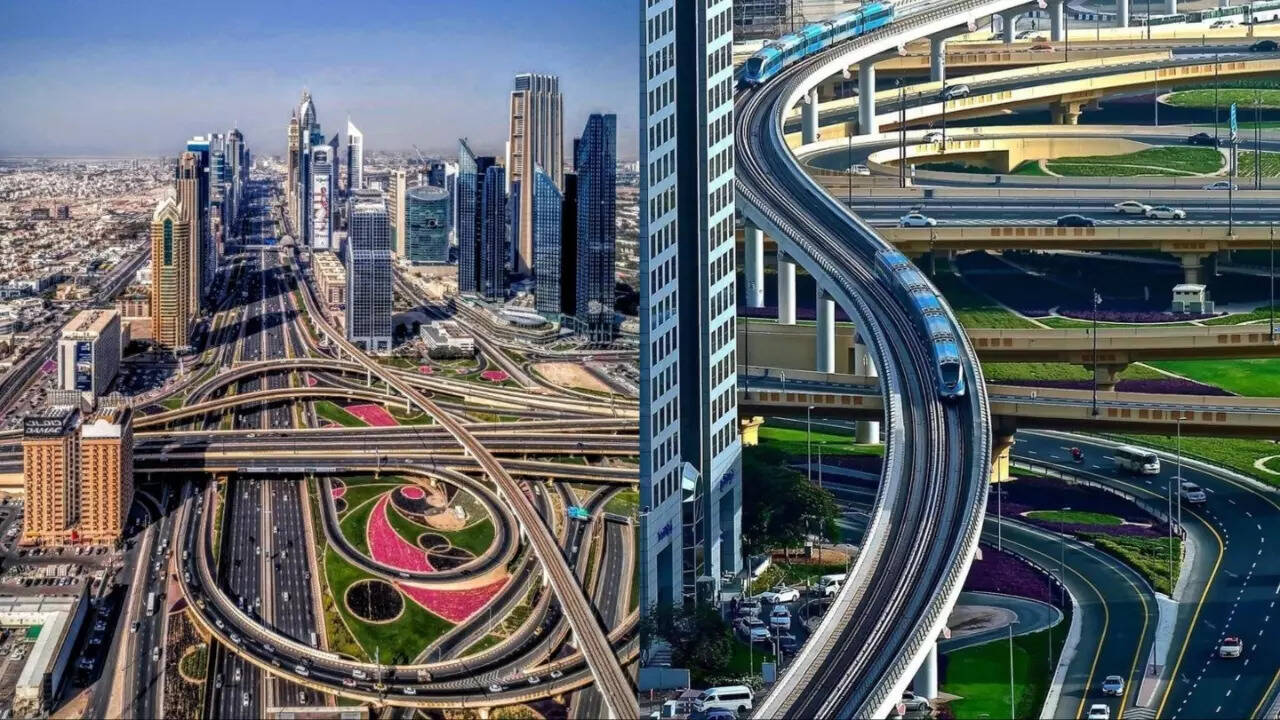
Dubai's infamous traffic jams, a daily headache for residents and a drag on the economy, are finally facing a serious challenge. The Roads and Transport Authority (RTA) isn't just throwing money at the problem; they're deploying a smart, multi-faceted strategy that blends cutting-edge tech with good old-fashioned infrastructure improvements.
Dubai Traffic Nightmare OVER?! AI & New Roads to t...
The goal is ambitious: slash commute times, boost road safety, and essentially create a "smart" transport ecosystem. It's a lofty vision, but given Dubai's track record for innovation, it's not hard to believe they might just pull it off. I've personally been stuck in enough Sheikh Zayed Road traffic to appreciate any effort to alleviate the gridlock.
According to RTA officials, the number of vehicles on Dubai's roads is ballooning at roughly 10% annually. That's a lot of extra metal clogging up the arteries of the city. Peak hours, especially in areas connecting residential zones to business hubs, around schools, and on major thoroughfares like Sheikh Zayed Road and Ras Al Khor Road, become parking lots. The RTA realizes that something has to be done. Congestion doesn't just waste time; it impacts productivity and adds to the city's carbon footprint.
One of the most exciting aspects of the RTA's strategy is the integration of artificial intelligence. We're not talking about self-driving cars just yet, but AI-powered traffic signals are already making a tangible difference. Early data shows these signals have improved traffic flow by a whopping 37% at certain intersections. Trials have also demonstrated a 10% to 20% reduction in average travel times. By 2026, the plan is to roll out this system across hundreds of major intersections. That kind of improvement could be a game-changer for daily commutes. These tech innovations will establish Dubai as a leader in intelligent transport systems, using data to efficiently manage mobility.
But it's not all about software. The RTA is also investing heavily in concrete and asphalt, building new roads and upgrading existing ones. Take the new exit at Bu Kadra Interchange, for example. It's reportedly cut peak travel times by over 50% at key connection points. Then there's the recently opened bridge on Al Qudra Road, which has supposedly increased traffic capacity by nearly 200% and halved waiting times for almost 400,000 daily commuters on a critical east-west route. And let's not forget the upgrades to the Dubai Healthcare City exit onto Sheikh Zayed Road, designed to double vehicle throughput and ease congestion in that notoriously busy area.
Beyond these headline projects, the RTA has completed a series of smaller, but equally important, improvements at over 50 locations across Dubai. These include lane expansions, new entry and exit ramps, and roundabout reconfigurations. Some of these tweaks have reduced travel times by as much as 60%, especially around major residential and commercial intersections. It's a comprehensive approach, addressing congestion from multiple angles, and it offers a glimmer of hope for a smoother, more efficient future for Dubai's roads. Hopefully, this effort really pays off and the daily commute gets a whole lot better.
Comments
Please sign in with Google to post a comment
No comments yet. Be the first to comment!